Laden...
7.1·2023·135 min·Français·Regie Trần Anh Hùng
Von der Kunst des Kochens und des Liebens
LiebesfilmDrama
Handlung
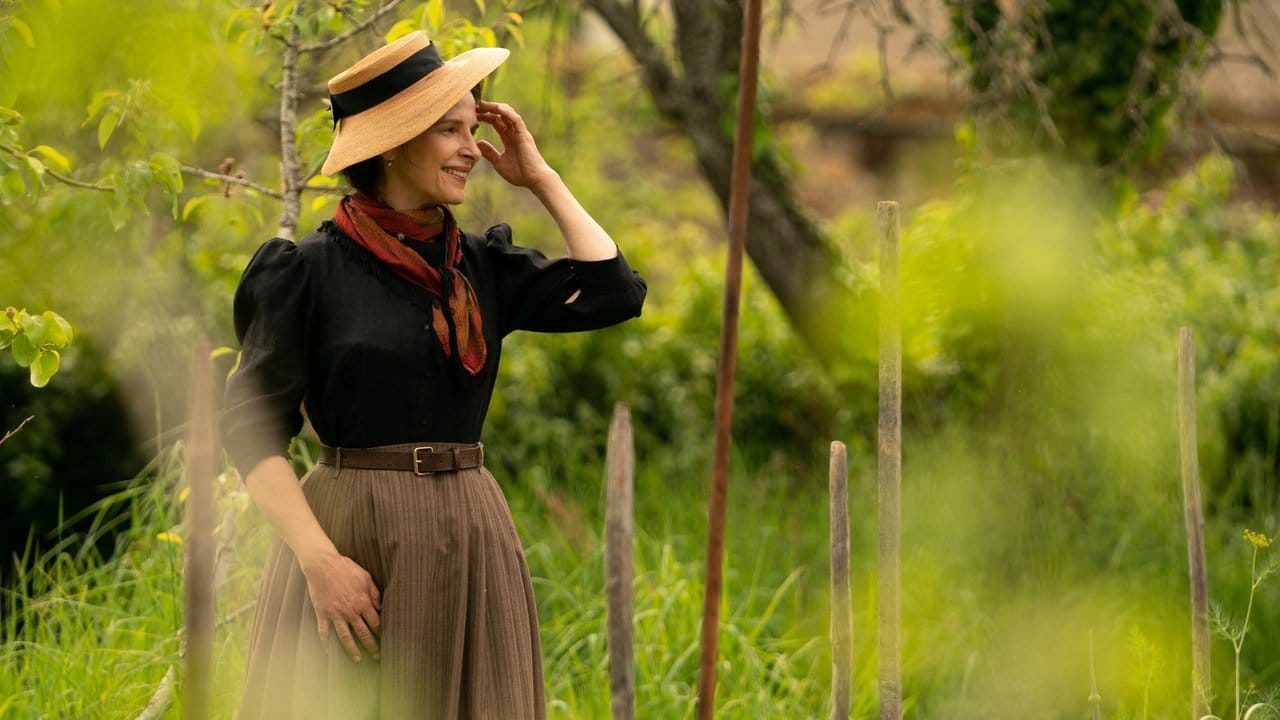
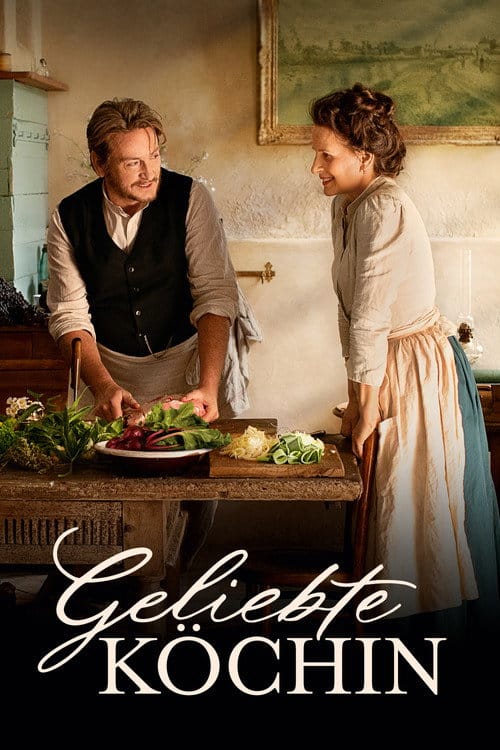
Frankeich, Ende des 19. Jahrhunderts. Seit 20 Jahren arbeitet die außerwöhnliche Köchin Eugénie (Juliette Binoche) für den berühmten Gourmet Dodin (Benoît Magimel). Sie kreiert mit ihm die köstlichsten Gerichte, die selbst die legendärsten Köche der Welt in Staunen versetzen. Aus der gemeinsamen Zeit in der Küche und der Leidenschaft für das Kochen ist über die Jahre weit mehr als nur eine Liebe fürs Essen erwachsen. Doch Eugénie will ihre Freiheit nicht aufgeben und hat keinerlei Absichten Dodin zu heiraten. Also beschließt dieser, etwas zu tun, was er noch nie zuvor getan hat: für sie zu kochen.
Hauptdarsteller









Mehr wie das

Der erste Blick, der letzte Kuss und alles dazwischen
2022·6.2

Mehr denn je
2022·6.4

Ich habe sie geliebt
2009·6.1

Leichter gesagt als getan
2020·6.3

Begegnung in Biarritz
1981·6.2
India Song
1975·6.4

Luna
2018·6.4
Mélo
1986·6.8

Zwei Mädchen aus Wales und die Liebe zum Kontinent
1971·6.9

Love is Blind - Auf den zweiten Blick
2017·6.1

Herzen
2006·6.4

Love Everlasting
2016·7.4
Communauté
7.4
Note Trakt
1.1K votes
10
139
9
127
8
307
7
276
6
167
5
57
4
42
3
7
2
13
1
11
4.0KSpectateurs
15.4KCollectés
3.3KListes
Avis de la communauté (7)
M
manicureVIPCritique★8/10Jan 17, 2024
A couple of seasoned cooks rediscover their passion in the Loire Valley in the late 19th century. Sounds like the premise of the sentimental movies my Grandma used to watch, but instead, we are talking about a work of a rare sensibility, delicacy, and balance. Like the dish at the center, the magic sparks from the slow and laborious simmering of simple but carefully calibrated ingredients. Perhaps more than half of the runtime is spent in the meticulous portrayal of the daily tasks of the two, in an exaltation of slow food both in preparation and consumption, cradling us with the astonishing beauty of direction, the golden warmth of diffused light, and the little sounds coming from the kitchen. Despite the relatively limited space reserved for actual narration, having spent so much time in the kitchen with the two protagonists allows us to grasp even what remained unspoken, in a relationship that is at times so discreet as to seem idealized, at times tenderly carnal, at times strangely ambiguous in overlapping romance with professional respect. Through the preparation of dishes, we have seen them renew their complicity, subtly flirt with each other, but also elevate themselves individually as in a sort of ascetic ritual. Undoubtedly, one of the best uses of food as the main expressive and communicative vehicle for a human story, without being excessively condescending or unnecessarily artificial. Between this and "Perfect Days," I am rediscovering a considerable cathartic potential in the depiction of manual labor in film. It might lack the emotional waves of a melodrama, but it makes you lose track of time in the same way as when you spend hours on YouTube watching people build bamboo houses.
♥6
R
RyeZoo★3/10Feb 16, 2024
We now know the French were cooking crack when they submitted this film over Anatomy of A Fall. This is some of the most cinematic food trapped inside a borning ass movie. At the one hour mark I felt every minute of this movie. Thankfully I was only one in the theater so I was able to pace around as this movie dragged on one course at a time. The chemistry between the two leads is palpable, but never feels like it gets anywhere past the surface. I will gladly forget this movie, just like I do with what I had for dinner most nights.
♥4
X
Xiofire★8/10Apr 19, 2024
Imagine a period piece Chefs Table, with a simplistic romance subplot woven between the layers of masterful cooking and beautiful imagery. A movie that reminds us that cooking and food preparation, no matter how reserved or complex, is the ultimate expression of appreciation and love. Lovely, cozy viewing, but obviously not for everyone, especially those after a multifaceted narrative or complex interpersonal drama.
♥1
K
kliffer★7/10Feb 17, 2024
Really nice movie and fun to watch. However it could have ended a bit earlier. I found the last 15 a bit unnecessary. Also, although it’s moving up until the last 15 minutes, at the end (in my opinion) it makes an expected twist that for me ruined the whole “moving” part.
♥1
D
durack★9/10Aug 10, 2025
The Taste of Things (2023) unfolds like a 2-hour-and-15-minute symphony of French cuisine, each scene plated with exquisite cinematography and sumptuous set design. At its heart is a love story—not of sudden passion, but of two souls long wed to their craft. Their bond has been kneaded, simmered, and seasoned through years of creating together. Without the shared ritual of making, they are adrift; it is the craft itself that gives their love its shape and substance. The final scene and the dialogue between the two right before the end credits.... ❤
Kritiken