Laden...

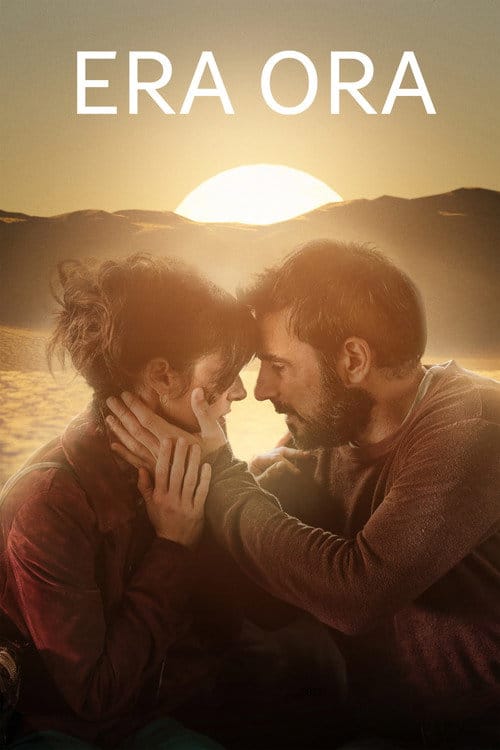

6.7·2023·108 min·Italiano·Regie Alessandro Aronadio
LiebesfilmKomödieDrama
Handlung
Dante (Edoardo Leo) führt eine wunderbare Beziehung mit seiner Freundin Alice (Barbara Ronchi), aber er hat eine schlechte Beziehung zur Zeit: Von den vielen Verpflichtungen seines Alltags absorbiert, kommt er immer zu spät und hat den Eindruck, dass sein Leben zu schnell verläuft. Das passiert auch an seinem 40. Geburtstag, als er mit stundenlanger Verspätung bei seiner eigenen Party auftaucht. Am nächsten Morgen wacht er jedoch auf und stellt fest, dass er bereits ein weiteres Jahr älter ist. Plötzlich ist Alice im vierten Monat schwanger und auch sonst stell er sich die Frage: was ist mit dem Rest des Jahres passiert? Der Vorfall wiederholt sich und Dante zerrinnt die Zeit buchstäblich zwischen seinen Fingern - kann er der Zeitspirale entkommen?
Hauptdarsteller









Mehr wie das
Young People Fucking
2007·5.8

The Best You Can
2025·7.0
Madame
2017·5.9

Extracurricular Activities
2019·6.1
XX/XY Wenn die Chromosomen verrückt spielen
2002·5.9

Vater der Braut
1950·7.0

Unersetzlich - Irreplaceable You
2018·7.0

Rosalinde
2022·7.1

Diva Futura
2025·6.4
Peggy Sue hat geheiratet
1986·6.1

The Right Kind of Wrong
2013·5.8

She Came to Me
2023·6.1
Communauté
7.5
Note Trakt
777 votes
10
197
9
18
8
188
7
105
6
187
5
31
4
36
3
5
2
8
1
2
2.4KSpectateurs
1.7KCollectés
490Listes
Avis de la communauté (1)
D
decatur555VIPCritique★7/10Jan 22, 2026
There is something very recognizable in Still Time: that feeling of always being in a rush, of living with your mind set on what comes next while real life slips by out of the corner of your eye. The film plays with a familiar idea and is far from revolutionary, but it does so with a warmth that eventually wins you over. It doesn’t try to reinvent anything, and perhaps that’s why it works best when it simply tells its story without big flourishes. It’s an Italian tragicomedy with a clear moral, yes, but also with a certain charm. The message is evident quite early on and doesn’t make much effort to hide it, although it never becomes especially irritating. There is humor, there is sadness, and there are moments that, without being brilliant, connect because they speak about something very everyday: the time that slips away while we believe we have everything under control. It’s true that the film strongly recalls other similar stories and that originality is not its strongest point. At times it becomes a bit repetitive, and it’s easy to anticipate where everything is heading. Even so, it has a good heart and a fairly honest look at personal exhaustion, work, and relationships that slowly get neglected almost without us noticing. The performances do their job, without dazzling, but with enough naturalness for the characters to feel close and recognizable. There are no major unforgettable scenes, but rather small moments that work through accumulation, as if the film moved forward more through emotional insistence than narrative impact. In the end, Still Time is one of those films that doesn’t leave a deep mark, but doesn’t bother either. It’s an easy, pleasant watch that invites you to slow down a little and, even if it doesn’t discover anything new, reminds you of something that sometimes needs to be said. And sometimes, that is more than enough.
♥1
Kritiken