Laden...
6.8·2012·110 min·English·Regie Martin McDonagh
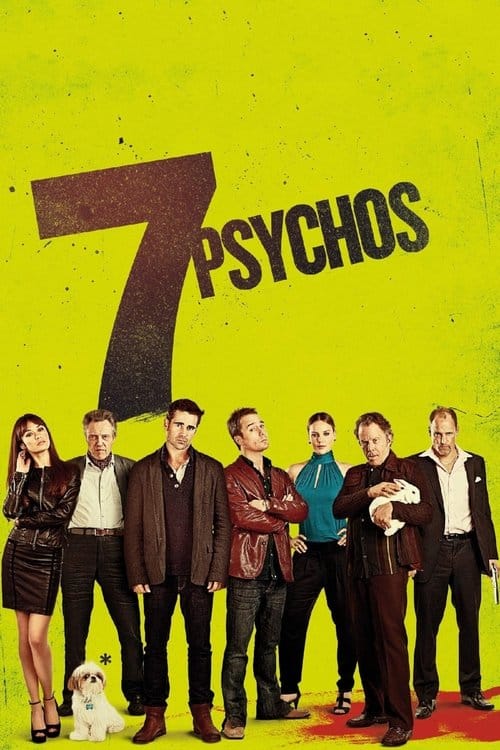
und ein Shih Tzu.
KomödieKrimi
Handlung
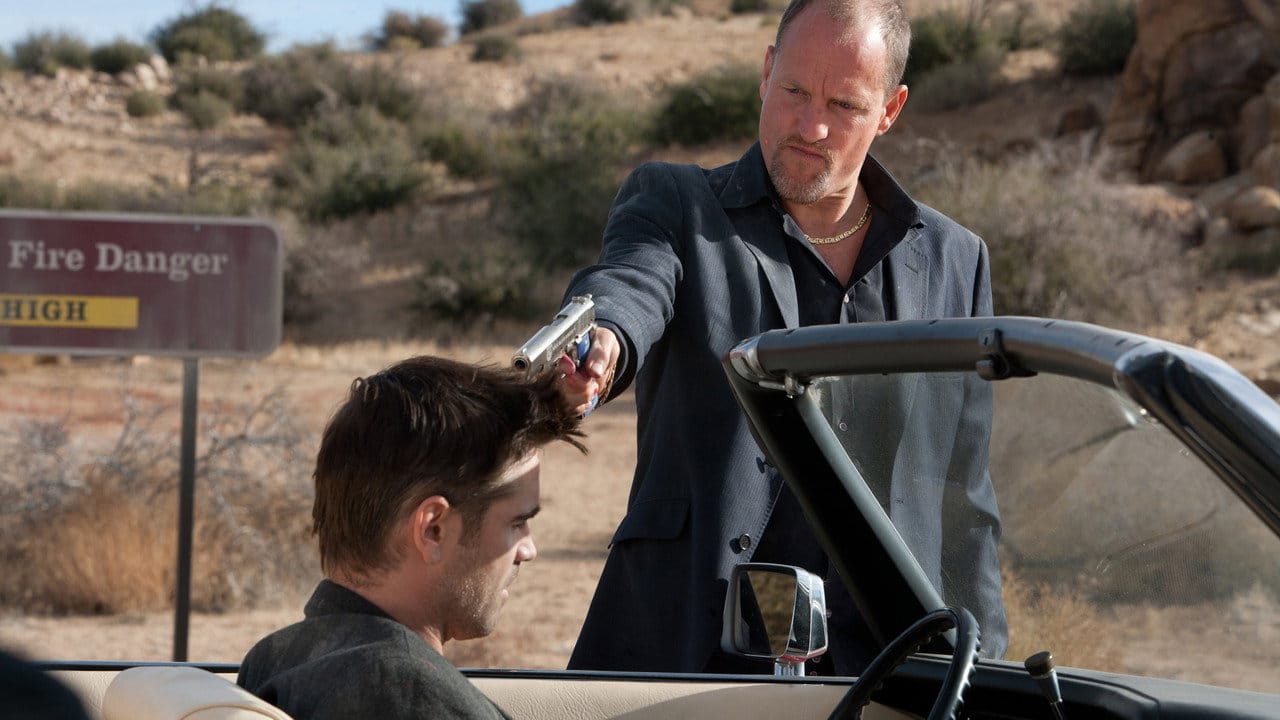
Der Drehbuchautor Marty hat beim Schreiben Ladehemmung und kommt mit seinem Drehbuch einfach nicht weiter. Dabei hat er mit '7 Psychopaths' bereits einen guten Titel, aber ihm fehlen die Figuren. Deshalb gibt sein bester Freund Billy eine Anzeige auf, in der er Psychopathen sucht – und zieht Marty in die Auseinandersetzung mit dem Gangsterboss Charlie hinein, dessen geliebten Hund Bonnie er entführt hat. Daher stecken sie schon bald mit Billys undurchsichtigem Chef Hans inmitten eines aberwitzigen Abenteuers.
Hauptdarsteller
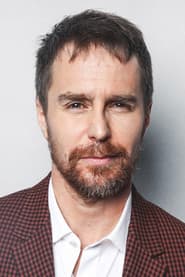

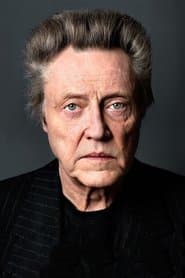

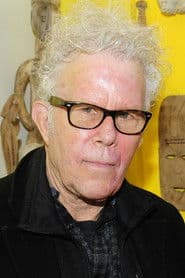

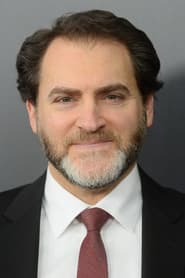
Mehr wie das
2 Tage in L.A.
1996·6.2
Smokin' Aces
2006·6.5
Pulp Fiction
1994·8.5
Danger One
2018·6.1
Beverly Hills Cop - Ich lös' den Fall auf jeden Fall
1984·7.2
Gringo
2018·5.9
Reine Nervensache 2
2002·5.8
Kiss Kiss Bang Bang
2005·7.2
Keanu - Her mit dem Kätzchen!
2016·6.0
Eine Nacht bei McCool's
2001·5.9
Wolfs
2024·6.5
Ein Jackpot zum Sterben!
2024·6.4
Communauté
7.2
Note Trakt
7.5K votes
10
617
9
540
8
2.0K
7
2.3K
6
1.2K
5
409
4
207
3
67
2
54
1
78
22.9KSpectateurs
201.5KCollectés
12.6KListes
Avis de la communauté (9)
A
AndrewBloomVIPCritique★9/10Jun 13, 2017
[9.0/10] Some of the best films give you something you didn’t even know you wanted. I’m not sure I could have imagined a cross between Snatch and Adaptation, let alone known to ask for one, but boy am I glad that it exists, in the form of Seven Psychopaths. The film that resulted from this strange science experiment has Charlie Kaufman’s ouroboros spirit and Guy Ritchie’s interconnected, lower class criminal style, to create a film that both celebrates and takes the stuffing out of the exaggeratedly bloody crime dramas that have dotted the cinematic landscape over the past few decades. The film tells the story of Marty (Colin Farrell) a Hollywood screenwriter who just so happens to share a first name with the movie’s writer/director Martin McDonagh (In Bruges). Marty is writing a script about (wouldn’t you know it?) seven psychopaths, which leads him to become embroiled in a to-do with his annoying best buddy Billy (Sam Rockwell); Billy’s partner in a dog-napping scam, Hans (Christopher Walken); and an angry local mob boss named Charlie (Woody Harrelson) who’s going on a bloody rampage in an effort to get his kidnapped dog back. All the while, a mysterious “Jack of Diamonds Killer” is taking out local mob goons and flitting on the edges of the story. In the process, Seven Psychopaths deconstructs, regurgitates, and parodies every crime flick cliché with gleeful abandon. At times it’s a bit rudderless and difficult to follow in this effort, particularly when establishing its little world world. But at all times, it feels in services of striking at the foundations of the genre, from the frenetic introductions and interconnected casts of characters, to a meandering middle section that is purposeful more a goofy subversion and meditation than something to advance the plot, to the faux-profound vignettes that set the mood. To that end, the film serves as an affection takedown of the Tarantinos, Ritchies, Rodriguezes, and more importantly all their imitators who emerged in the wake of Pulp Fiction with stylish, dialogue- and character-heavy crime films of varying quality. And that takedown finds form in Billy and Hans as the yin and yang on either side of Marty. Billy is preternaturally annoying, constantly saying the wrong thing, doing the wrong thing, and being the wrong thing. Rockwell plays him perfectly in that vein, with just a hint of vulnerability but with an exaggerated yet recognizable grating quality as well. He is the ascended Tarantino fanboy, having gone so far as to try to make himself into the protagonist such a film. He’s desperate to be involved in writing Marty’s screenplay, and yet in the process of pitching an ending, reveals how hollow an understanding he has of these sorts of movies beyond their superficial coolness. His peak as a character comes when he describes his imagined finish to Marty’s movie. It’s a shallow, bullet-and-gore filled symphony, bringing together all the characters, real or imagined, into a single bloody shootout with dramatic twists, sad deaths, skin-deep redemption, and exploding heads. It’s the cartoony, faux-solemnity of Boondock Saints taken up to eleven, exposing both the sillier parts of the gunmetal-strewn fantasies made real in celluloid in these films, and ridiculousness of the folks who would imagine such things. On the other side is Hans, rightly criticizes Marty’s script on social and intellectual terms and, with a well-timed suggestions, tries to pull it toward something a little more artistic. He notes the lack of female characters in Marty’s script, which stands as a larger criticism of the genre, and offers funny cracks back at Marty’s defense that he’s trying to say it’s a “hard world for women” by noting that most of the women he knows can string two sentences together. At the same time, Hans pitches his own ending, one that turns all the blood and guts and revenge story into a mock-powerful statement on peace (while obviating the problem with thinly-drawn hookers inserted into the narrative). It’s halfway between being played straight and tongue in cheek (most of the movie is for that matter) and in that, it makes for the perfectly-calibrated knock on many of these rough-and-tumble films (McDonagh’s own In Bruges) included that punctuate their bloodbaths with grasps at profundity. In all of this, Seven Psychopaths is a deeply funny movie. Christopher Walken in particular is incredible, managing to elicit laughs merely with a wry look or his delivery of simple lines like “cravat” and “no.” In a film that takes itself seriously about not taking over the top crime films seriously, McDonagh and the cast pack in enough laughs -- in both quotidian “friends stuck in a car”-style conversations and bigger parodies of the crime flick industrial complex -- to let the satire go down easy. That humor is a vital element, because the film is, quite intentionally, convoluted, self-referential, full of anti-climax and humorous deconstruction, that could otherwise leave the film seeming too pointed and/or self-important if it weren’t clear that McDonagh was having a laugh, at himself and the corner of the medium he works in. It’s also necessary because director of photography Ben Davis shoots the film like any other in that subgenre and production designer David Wasco crafts a world that fits for both farce and sincerity. There’s the stark beauty of the desert, the impossibly well-lit graveyard that makes for a would-be climactic shootout, and the spaghetti western-style rock formations that are remarked upon and then used as a spot for a final showdown. Seven Psychopaths gets the look of a crime film down pat, and that helps its satirical points and self-reflection land. And land they do. I’m a big fan of the sorts of films that the makers of Snatch, Pulp Fiction, and Sin City put out, which tend to include stylish violence, snappy dialogue, and just enough heft to make it matter. But it’s also a genre full of lesser copycats and one rife for an entertaining self-reflection and takedown. Seven Psychopaths is certainly indulgent at times, but McDonagh uses its meta-heavy, meandering qualities to hit the high points and the low points of crime flick tropes and subversions in quick succession. In that, he produces a movie that crashes into the fourth wall and laughs at the ensuing flames and shrapnel, while fully acknowledging that he’s the one driving. It’s nice to be along for the ride.
♥6
R
Redouaaane★7/10Aug 25, 2015
― It's just fucking great! Oh great! Do you know how good this movie is? ― Great? ― It's just fucking great!
♥5
I
ismamzaman★8/10Dec 18, 2021
A unique dark-comedy, with amazing characters, perfectly portrayed by the actors, and a thoroughly entertaining, well-thought out story.
♥3
M
MajorMercyFlushVIPCritique★8/10Jan 13, 2013
INT - Bedroom - Morning. BILLY I didn't mean to break his nose. His nose was just in the middle of where I was punching. Marty (Colin Farrell), an alcoholic screenwriter, has a great name for a film, the titular Seven Psychopaths, but no idea what to do with it. His friend Billy (Sam Rockwell), along with the elderly Hans (Christopher Walken), run a scam kidnapping dogs for the reward money. When Billy kidnaps the dog of a genuine psychopath, Charlie Costello (Woody Harrelson), they go on the run as other psychopaths (including Tom Waits) make themselves known. Writer/Director Martin McDonagh (In Bruges) has crafted a smartly self aware and darkly funny film, teaming here once again with a very believable Colin Farrell. Walken, Rockwell, Harrelson and Waits all bring top class performances and are backed by a strong support cast. With such an ensemble its hard to single out any performance, particularly because they are all so vivid, but the chemistry between Christopher Walken and Linda White Clay (who plays a small role as his dying wife Myra) is sweet and very touching; a tender contrast to the violent madness. Seven Psychopaths is a film that shouldn't be spoiled by a protracted review, it's too much fun watching all the pieces come together, even when some are a little obvious. The writing is sharp and the structured self awareness is never too clever for it's own good. Very easy to recommended.
♥3
F
fasterfilmcritic★6/10Jun 20, 2026
Seven Psychopaths hooked me early with its sharp dialogue, memorable characters, and dark sense of humor. The first two acts are consistently entertaining, balancing crime, comedy, and playful unpredictability. The third act, however, loses some of the momentum and charm that made the earlier sections so engaging. The result isn't a perfect film, but there are plenty of great moments worth experiencing.
♥1
Kritiken