Laden...
7.1·2018·93 min·no·Regie Erik Poppe
72 Minuten, die uns für immer verändert haben
HistorieDrama
Handlung
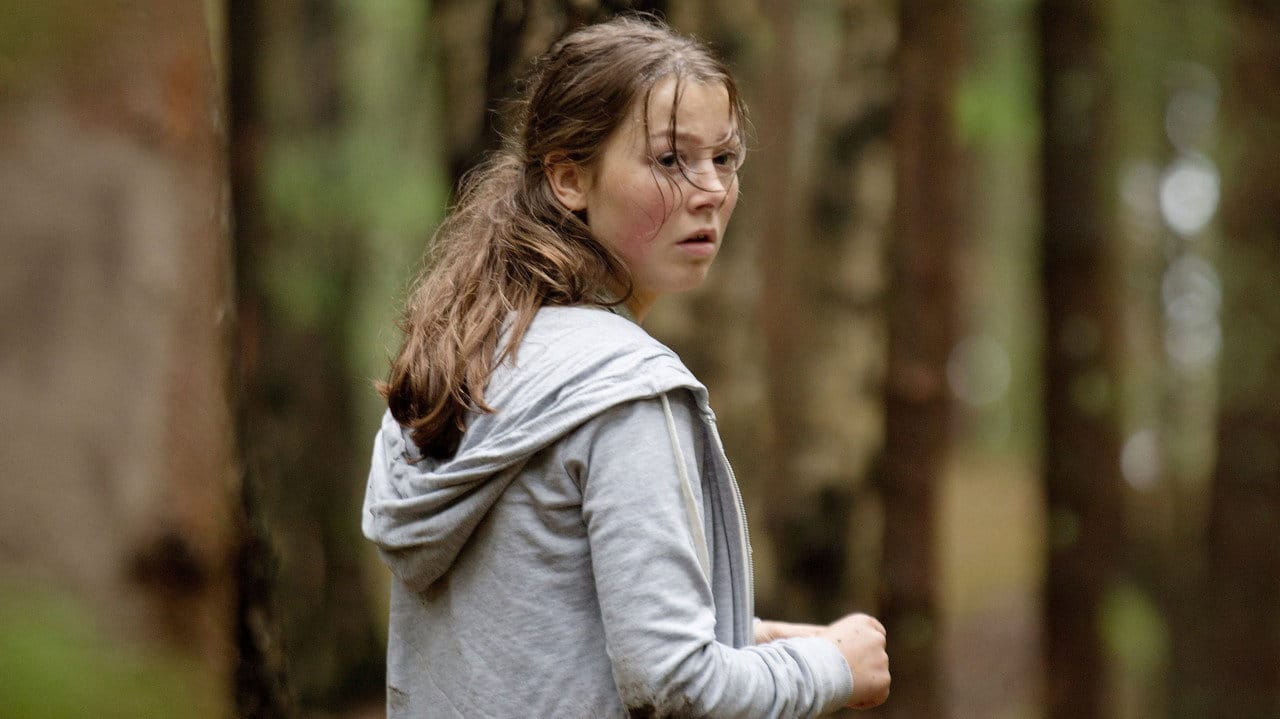
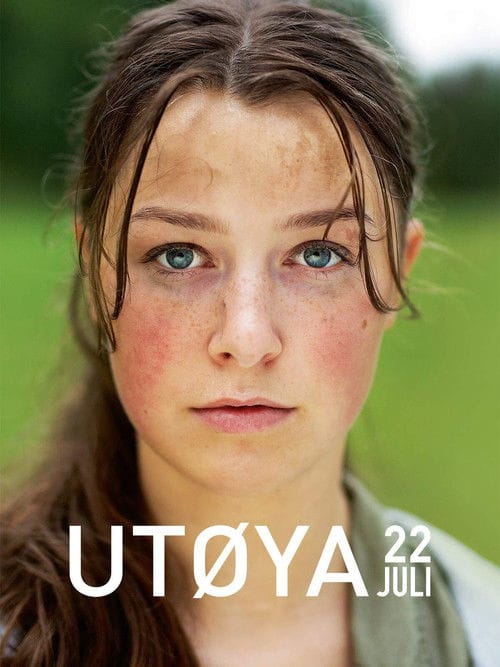
Die 18-jährige Kaja verbringt mit ihrer jüngeren Schwester Emilie ein paar ausgelassene Ferientage in einem Sommercamp auf der norwegischen Insel Utøya. Es gibt Streit zwischen den Schwestern und Kaja geht alleine zu dem geplanten Barbecue. Angeregt diskutieren die Jugendlichen über aktuelle politische Entwicklungen, als plötzlich Schüsse fallen. Erschrocken suchen Kaja und die anderen Schutz im Wald. Rasend kreisen ihre Gedanken. Was passiert um sie herum? Wer sollte auf sie schießen? Kein Versteck scheint sicher. Doch die Hoffnung auf Rettung bleibt. Und Kaja setzt alles daran, Emilie zu finden. Während die Schüsse nicht verstummen wollen.
Hauptdarsteller





Mehr wie das
Communauté
7.1
Note Trakt
665 votes
10
61
9
56
8
177
7
169
6
114
5
42
4
20
3
9
2
12
1
5
2.0KSpectateurs
30.8KCollectés
1.5KListes
Avis de la communauté (7)
S
Saint Pauly★9/10Dec 16, 2018
This is the film I wanted to see when I saw Greengrass's _July 22_. If you want to make a movie about a mass shooting, and you want the audience to feel what it's like to strive to survive, you film it in one single take and you film it in real time. Basically, you film it exactly like _Utøya: July 22_. _U July 22_ follows one young woman from the start through to the end of the mass shooting that took place on July 22, 2011 in Oslo, Norway, at a youth summer camp on the island of Utøya. The technical expertise required to make the entire film **in one take** and **in real time** boggles the mind, but creates a sense of immediacy that pulls the viewer into the story and traps them there. The film's weaknesses (a couple of scenes feel like filler and others fall into cliché) do little to reduce the overall impact of _U July 22_, especially when the director (Erik Poppe) chooses to film in Norwegian and to never reference the shooter by name. _Utøya_ is one of the most unique, powerful and authentic films you will see this year.
♥8
S
Spiritualized Kaos★8/10Feb 5, 2026
How could he have been shooting for so long?
A
aslamdriverVIP★6/10Aug 28, 2025
I usually like survival-type movies, so I was curious about this one. Honestly, my expectations were already low, even though I knew it is based on a real incident. Sadly, the movie didn’t impress much. The first 15 minutes felt slow, then it picked up a little and gave me some hope, but later the interest just dropped again. The story felt boring in the middle and could not hold me fully. The only thing I really liked was the camerawork — it was done very well and gave some realistic feel. Apart from that, nothing special. You can easily skip this one if you want.
B
Bertaut★8/10Oct 14, 2022
Brilliant use of the techniques of cinéma vérité make for a disturbingly realistic experience Utøya 22. juli is an aesthetically fascinating, pseudo-documentarian examination of the 2011 Utøya massacre, told from the perspective of one of the youths trapped on the island, rather than the killer, the police, the parents, or the courts. Decidedly different from Paul Greengrass's recently released Netflix film, 22 July, the makers of Utøya 22. juli have little interest in either overt political contextualisation or the aftermath of the massacre. Where Utøya 22. juli is especially laudable is in its extraordinary and thematically justified aesthetic design, which elevates it from a fine film to a superb one. For my complete review, please visit: https://boxd.it/ygRKf
A
amberrav★8/10May 26, 2021
When I heard that they were making movies about this event, I was sceptical of movie makers profiting off of the survivors. But if you're going to make a movie, this is the way to do it. Focus on the survivors, not the terrorist and why he did what he did.
Kritiken