Laden...
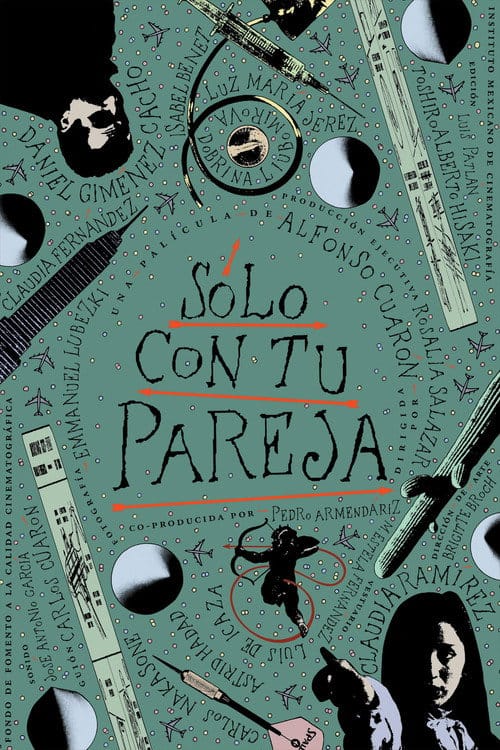
6.5·1992·94 min·Español·Regie Alfonso Cuarón
DramaKomödieLiebesfilm
Hauptdarsteller
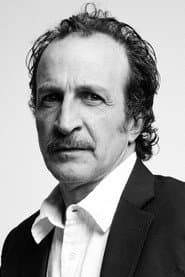
Daniel Giménez Cacho
Tomás Tomás

Claudia Ramírez
Clarisa Negrete

Luis de Icaza
Mateo Mateos

Astrid Hadad
Teresa de Teresa

Dobrina Liubomirova
Silvia Silva
Isabel Benet
Gloria Gold

Luz María Jerez
Paola

Monserrat Ontiveros
Mrs. Panza

Regina Orozco
Mrs. Dolores

Rodolfo Arias
Hernán Cortés (Jalapeños Caseros Gómez TV ad)
Mehr wie das
XX/XY Wenn die Chromosomen verrückt spielen
2002·5.9

Chéri - Eine Komödie der Eitelkeiten
2009·6.1

Brooklyn Blues - Das Gesetz der Gosse
1974·5.8

Patricia, A Hidden Passion
2020·5.8
Madame
2017·5.9
(Untitled)
2009·6.4

Extracurricular Activities
2019·6.1

Blitzlichtgewitter
2007·6.4
Young People Fucking
2007·5.8

Unersetzlich - Irreplaceable You
2018·7.0

Litus
2019·6.0

I Do...Knot
2009·7.7
Communauté
5.9
Note Trakt
80 votes
10
3
9
2
8
11
7
13
6
28
5
6
4
4
3
6
2
4
1
3
148Spectateurs
875Collectés
512Listes
Avis de la communauté (2)
D
decatur555VIPCritique★6/10Jul 1, 2026
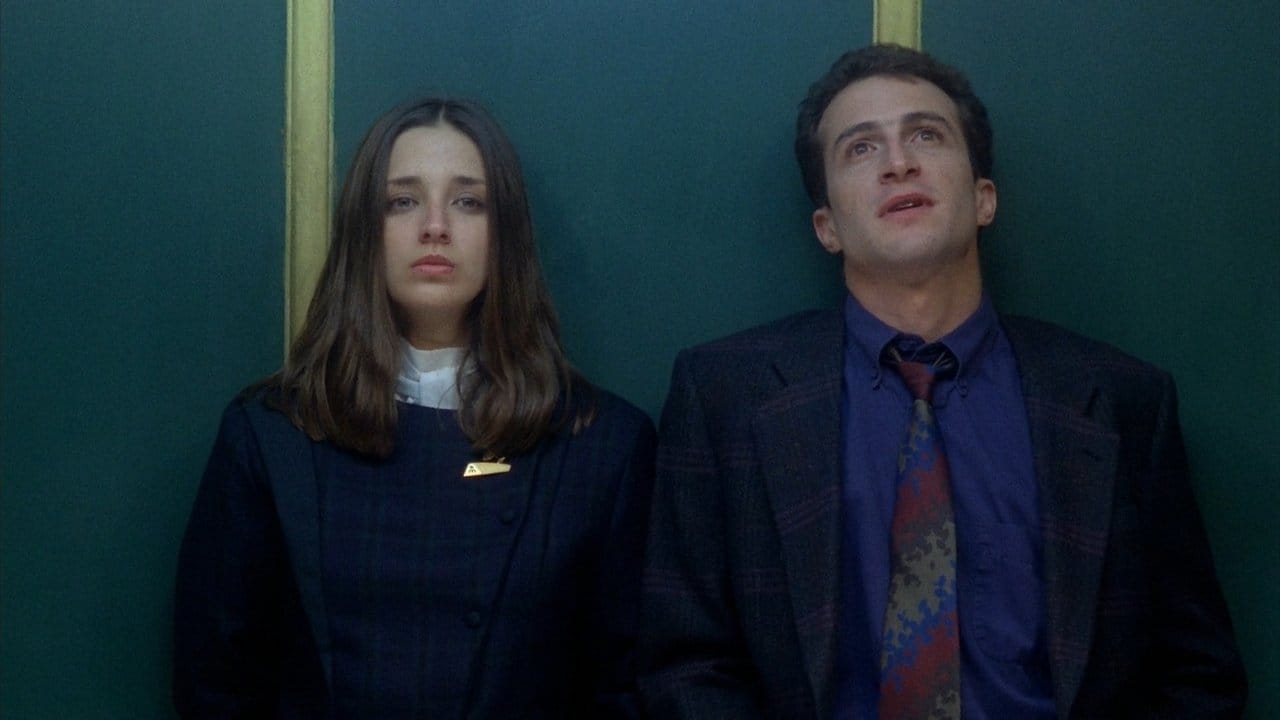
Love in the time of hysteria feels today like an early-nineties comedy, with its excesses, sexual jokes, bedroom farce, lightness and shameless energy. In some ways, it recalls the spirit of certain Spanish comedies from the eighties: messy, playful, cheeky and built around desire, misunderstanding and embarrassment. It is not a perfect film, and it does not need to be. Its charm lies precisely in its mixture of youthful confidence, controlled clumsiness and visual energy. Alfonso Cuarón’s debut feature, written with Carlos Cuarón, feels like a small film trying to move faster than its own limitations. The story of Tomás Tomás, a womanizer trapped by the consequences of his own irresponsibility, works as a farce with a moral undertone, but without becoming solemn. The fear surrounding HIV/AIDS, filtered through the sensibility of its time, becomes the trigger for a comedy about desire, guilt, machismo and the fear of consequences. The best part of the film is its rhythm, its visual imagination and the feeling that Cuarón and Emmanuel Lubezki were already working above the material. The camera has movement, the city has personality, and the apartments, ledges and physical spaces become part of the comedy itself. This is not just a series of jokes; there is already a clear cinematic eye behind it. A very young Daniel Giménez Cacho does a good job with a character who could easily have been merely unpleasant. Tomás Tomás is selfish, immature and irresponsible, but the film also makes him ridiculous, vulnerable and pathetic. It does not absolve him, but it turns him into a comic figure of reckless masculinity finally facing the consequences of his own behaviour. For me, however, the standout is Claudia Ramírez as Clarisa Negrete, the flight attendant neighbour. She brings a different tone to the film: more elegant, more melancholic, more magnetic. Whenever she appears, the film gains air. She seems to belong to a more romantic and wounded story, standing apart from Tomás’s sexual and emotional chaos. The film has obvious flaws. Some jokes have not aged particularly well, some dialogue feels artificial, and the treatment of suicide and illness clearly belongs to another cultural moment. At times, the absurdity overwhelms the drama. Yet even when the film stumbles, it remains fresh and alive. Today, Love in the time of hysteria is interesting both for what it is and for what it announces: the first step of the Cuarón brothers, the emergence of Giménez Cacho, the luminous presence of Claudia Ramírez and the early signs of a filmmaker who was not yet “Alfonso Cuarón” in the global sense, but was already showing a much sharper visual instinct than expected. It is not a major masterpiece, but it is funny, historically important, shameless and far more relevant than it may seem at first glance. A Mexican farce with nineties flavour, eighties echoes and genuine flashes of talent.
♥1
M
Maarten DelfgouDec 17, 2021
English titles of the film are Love in the Time of Hysteria and Seduced and Abandoned.
♥1
Kritiken