Laden...
5.7·1974·98 min·English·Regie Peter Collinson
KrimiDramaMysteryHorror
Handlung
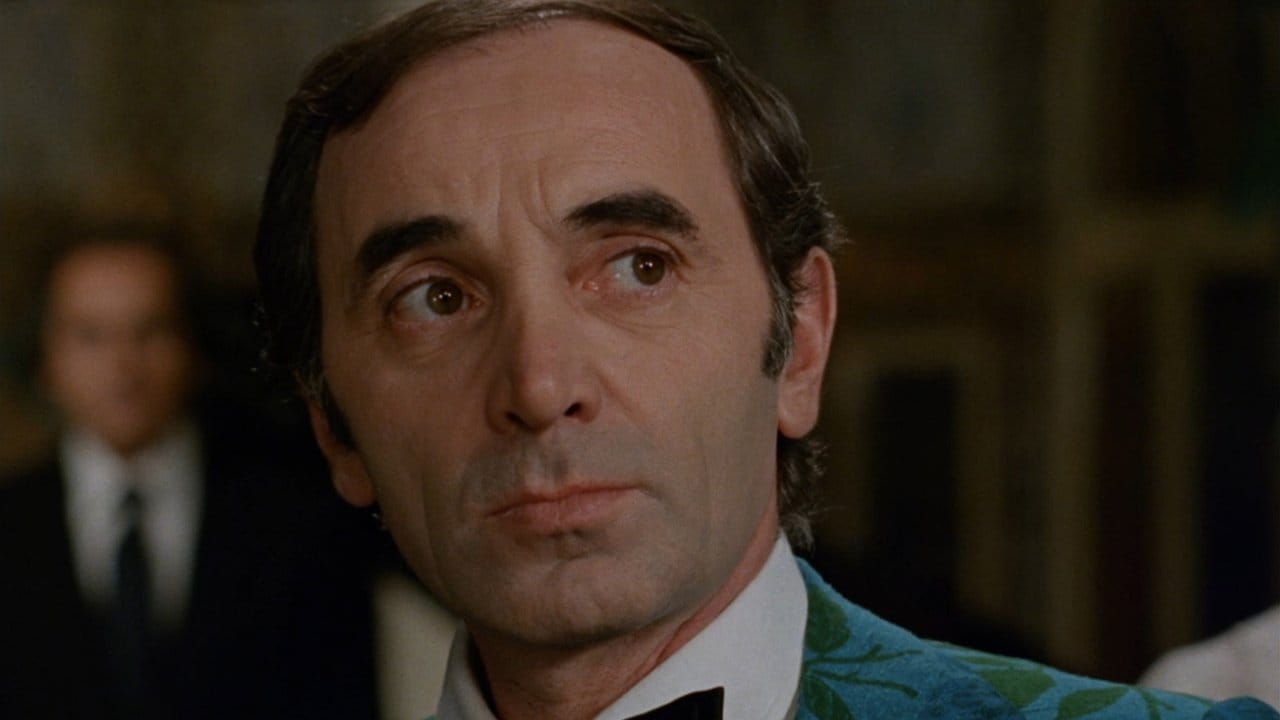
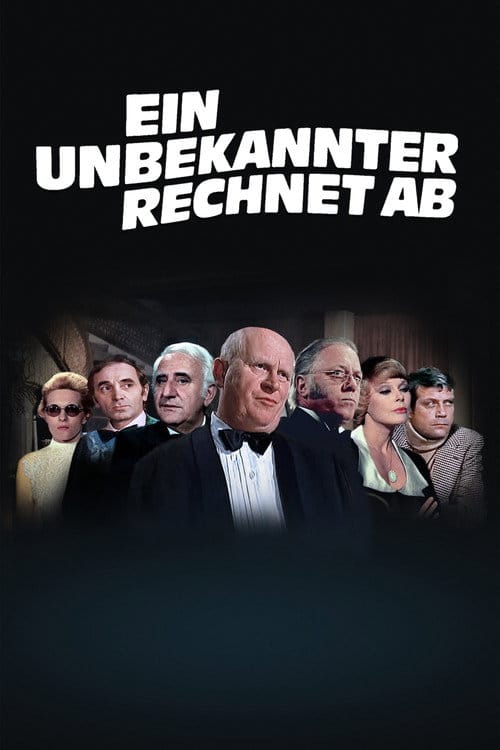
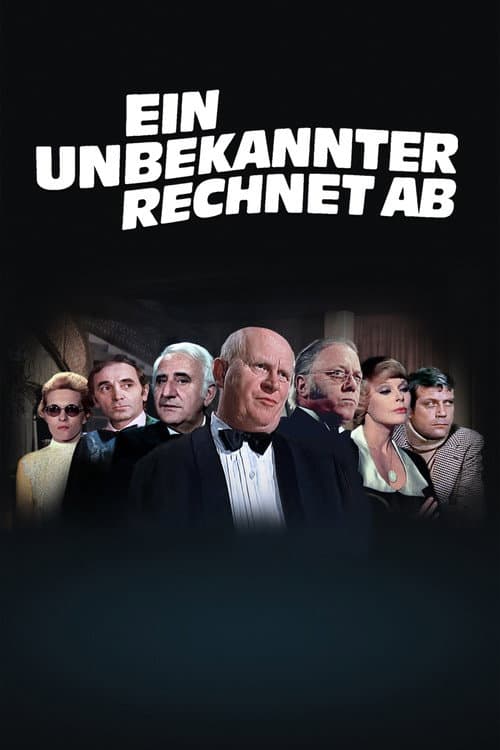
Auf Einladung eines Unbekannten reisen zehn Personen, die einander nicht kennen, in ein einsam gelegenes Hotel. Dort erfahren sie, dass ihr Gastgeber, der sich “Mr. Owen” nennt, jeden von ihnen eines Mordes beschuldigt und die Absicht hat, dies mit dem Tode zu bestrafen. Tatsächlich fällt in den kommenden Stunden ein Gast nach dem anderen einer tödlichen Falle zum Opfer. Verzweifelt versuchen die Überlebenden, den geheimnisvollen Killer zu finden und aus dem Hotel zu fliehen – ohne Erfolg. Es scheint, als könne der diabolische “Mr. Owen” jeden Schritt seines nächstens Opfers genau voraussehen.
Hauptdarsteller





Mehr wie das

Communauté
6.1
Note Trakt
110 votes
10
6
9
6
8
7
7
24
6
24
5
31
4
5
3
4
2
1
1
1
454Spectateurs
16.2KCollectés
475Listes
Avis de la communauté (2)
A
AlexanderZ★5/10Jan 26, 2017
Simply put, I've seen all but one of the versions of this film (Ten Little Indians (1966, 1989), And Then There Were None (1945, 1974), and yes, even April Fool's Day (1986)), and this is by far the least interesting... I recommend the first (And Then There Were None (1945) as the best of the bunch.
♥1
S
senbaldorVIPCritiqueJun 7, 2026
# Reception and Legacy - Historical Context - Part of the cycle of Agatha Christie adaptations in the 70s - Notable for relocating the setting from Devon to the Iranian desert # Themes and Meaning - Core Themes - Divinity and retribution vs. human justice - The inevitability of death - Moral bankruptcy of the upper class # Cinematography and Setting - Visuals - Desert isolation creating psychological entrapment - Modernist architecture juxtaposed with brutal murder # Narrative Structure - Plot Elements - Locked-room mystery in an isolated setting - Serial elimination based on the 'Ten Little Soldiers' poem - Paranoia-driven character arcs - Style - Linear chronological progression - Increasing claustrophobia as the count decreases # Character Analysis - Archetypes - The morally compromised elite - The 'Judge' figure as the orchestrator - Guilt as the primary driver of behavior # Summary Insights - The relocation of the setting to the desert serves as a literal and metaphorical 'wasteland,' stripping the characters of their social support structures. - The film emphasizes the 'moral autopsy' of the characters, where their past sins are exposed not by police, but by the physical elimination of their existence. - It highlights the fragility of civilization; even in a luxury setting, the veneer of polite society dissolves immediately under the threat of death. - The nursery rhyme serves as a meta-narrative device that transforms murder into a cold, pre-determined ritual.
reviews