Laden...
8.1·1981·150 min·Deutsch·Regie Wolfgang Petersen
Wenn Jäger zu Gejagten werden.
DramaHistorieKriegsfilm
Handlung
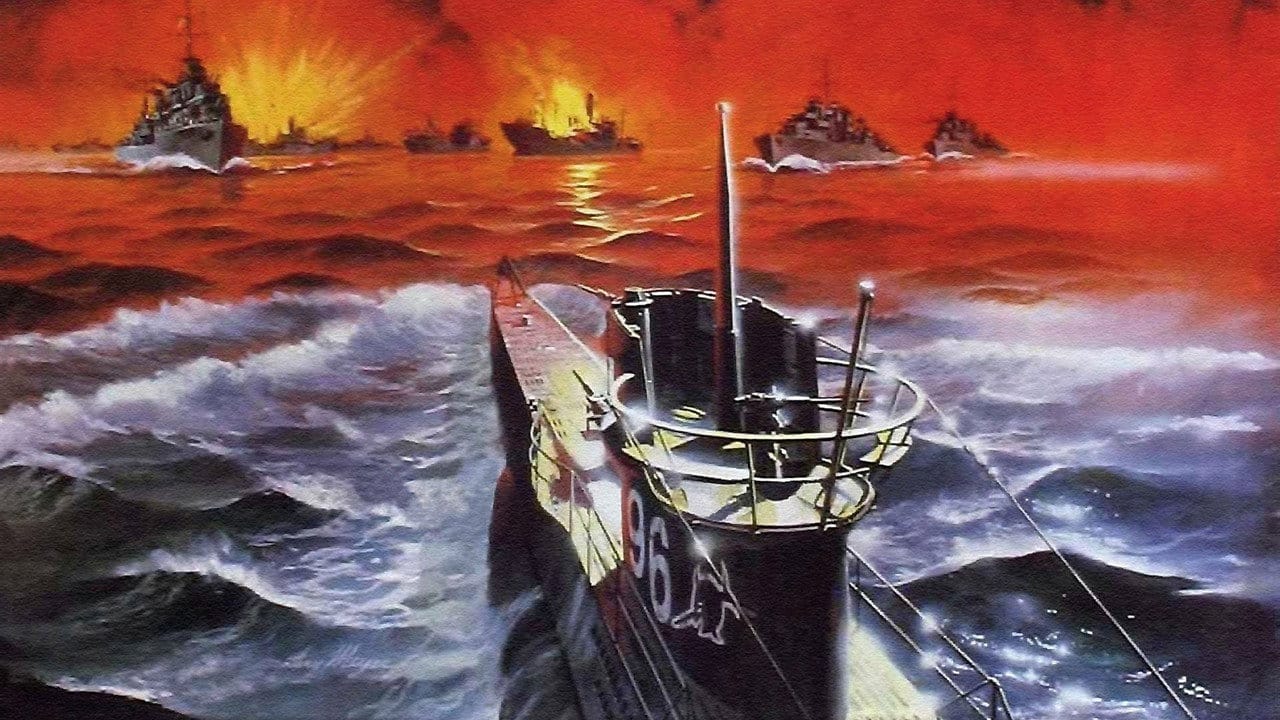
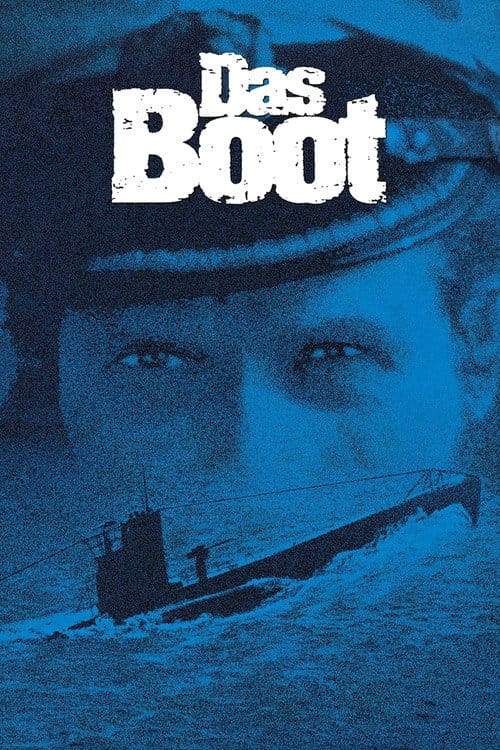
Der Kriegsberichterstatter Werner geht 1941 an Bord von U-96, das den Auftrag hat englische Transportschiffe zu versenken. Werner soll der Heimatfront von den Heldentaten des Kapitäns und seiner Mannschaft berichten. Doch schnell wird der Jäger zum Gejagten und der Atlantik entpuppt sich bald als nasskalte Hölle für die Besatzung. Ein Albtraum aus Klaustrophobie und Todesangst beginnt.
Hauptdarsteller










Mehr wie das







Communauté
8.3
Note Trakt
4.2K votes
10
897
9
932
8
1.4K
7
582
6
229
5
62
4
26
3
8
2
19
1
28
14.0KSpectateurs
139.3KCollectés
15.0KListes
Avis de la communauté (12)
S
SimonYNWAVIPCritique★8/10Aug 9, 2014
At 210 minutes in length, this Director's Cut of the film is Petersen's best film one of the best war films ever made. The film may run the gamut of submarine thriller conventions that you would expect to see, but Petersen takes a more interesting approach in handling them. The film spends a lot of time showing life aboard the submarine, constantly emphasising the limited set with characters climbing over and around each other and their supplies, allowing the audience to feel the claustrophobia that this environment would have. The film never breaks from the point of view of the sailors aboard the submarine and is focused solely on their characters as they go about their routines, giving the audience time to get to know them and highlighting their nervous anticipation initially and thereafter, the boredom, tension and repetitiveness of their work as they dive and surface, waiting for battle. When the battles do occur, Petersen is keen to emphasis the reality of these moments for the sailors aboard the submarine, focusing on their reactions to the constant bombardment and drawing out these sequences to build tension, but also to demonstrate the relentlessness of the attacks against the submarines. It's a great approach that really makes you feel for these characters and offers a reminder that the horrors of war are visited on both sides. The final act doesn't wholly satisfy emotionally in that it feels a little tacked on, but it does fit with the themes of the film.
♥16
I
Idek★9/10Nov 11, 2013
On all sides of war are just humans...
♥7
D
drqshadowCritique★8/10Nov 3, 2024
Months before Pearl Harbor made World War II a true global conflict, we join the crew of a cramped German U-boat, patrolling the murky green waters of the English Channel in search of British blockade-runners. Although the war is still relatively young, the ship’s captain sees his country’s missteps, notes the Brits’ gathering strength and reads the writing on the wall. He still fights valiantly for the motherland, an impressively capable commander with an intimate understanding of his vessel, but he scoffs at the notion of Hitler as a strategic genius and bristles at the official missives that send him on fool’s errands. Under his watch is a small, determined band of some fifty soldiers. A mix of energetic young men, loyal officers, dedicated engineers and one late addition: a state propagandist, sent to snap photos and write stories, who’s ostracized for his cushy status amidst the sweat and squalor of a submarine’s guts. Watching this from a western perspective is interesting, as we certainly don’t want to see the Nazis succeed, but we’ve also stared death in the eye alongside them and sympathized with their quandary on a basic human level. Further lessons in the status of extended warfare as a mutual catastrophe, then, and this time moviegoers are not the only pupils. Case in point: after finishing off a smoldering cargo ship that they believed evacuated, the sub’s crew is appalled when survivors leap from the fiery wreck, screaming for help as their flesh boils. Observing from the deck, the grizzled captain adds one further item to his list of private complaints, then orders the pilot to move them away. No space, nor food, for enemies in this claustrophobic steel coffin. Their burials must occur at sea. There’s little romance to the life of a U-boat operator. We learn this, repeatedly, over the course of _Das Boot_. Much of their patrol is set against the backdrop of an open sea, a dutiful team of spotters tasked with squinting over the horizon in all manner of chop and nasty weather. Bored to tears, the crew yearns for combat, cheers the rare occasions it’s promised, then wring their collective hands as well-armed escorts repeatedly batter the hull with depth charges. They’d have been lost without the resolve of their captain, lost half a dozen times over, but such brushes with death will exact a toll. Still, they remain devoted to the job, even as the sporadic bursts of dread and long stretches of unbroken emptiness leave them stiff and altered. The film conveys this change, and its reasons, with empathy and skill. I felt like I’d gone through hell right alongside these men, learnt the ins and outs of the ship, seen the rigid demands of a daily routine in such a confined space and held my breath at the threat of instant, random, implosive doom. _Das Boot_ is extremely well done, but also a steep order. At 208 minutes, the Director’s Cut lasts almost exactly an hour longer than the original theatrical version and seems about an hour too long. From what I’ve gathered, though, that initial release was almost entirely action-focused and sacrifices many crucial moments of character development, so it’s not exactly right either. I should also mention that lingering, pervasive exhaustion is major part of the film’s narrative, and a long running time certainly reinforces that theme. If you can set aside the better part of a work shift to take it all in, submarine movies really don’t get much better than this. You may not enjoy the experience, but you’ll certainly feel and remember it.
♥3
B
BaSsOo7★9/10Feb 1, 2022
If you don't die from a bullet, shellshock will kill you.
♥3
P
Punch_Vanderhuge★8/10Feb 6, 2025
Great WWII movie that really captures what it would have been like inside a German u-boat.
♥2
Kritiken