Laden...
7.4·2016·116 min·English·Regie Alex Gibney
Dokumentarfilm
Handlung
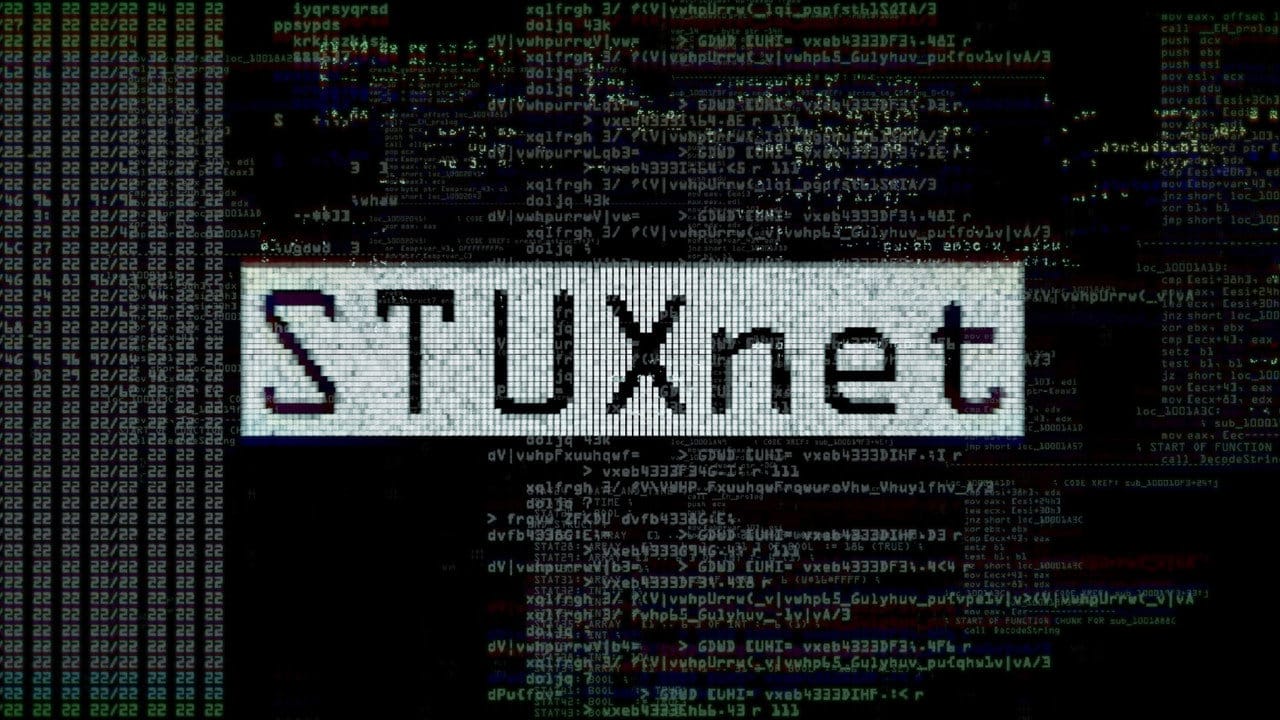
2010 machen Sicherheitsexperten eine unheimliche Entdeckung. Ein hochkomplexer Computerwurm namens STUXNET verbreitet sich mit noch nie gesehener Aggressivität auf der ganzen Welt. Was die Forscher noch nicht ahnen: Sie sind auf den geheimen Prototypen einer neuen Generation von Kriegswaffen der CIA und des Mossads gestoßen. Cyberwaffen, deren reale Zerstörungskraft allein mit der von Atombomben vergleichbar ist – und deren Verbreitung außer Kontrolle gerät…
Hauptdarsteller


Mehr wie das
Welcome to Chechnya
2020·6.9
Room 237
2012·6.1

Muhammad Ali - Der größte Boxer aller Zeiten
2009·7.3
Night Will Fall - Hitchcocks Lehrfilm
2014·7.6

Für Sama
2019·8.3
Finders Keepers
2015·6.5

Etikettenschwindel - Der große Weinskandal
2016·7.3
Disclosure - Hollywoods Bild von Transgender
2020·7.8
We Live in Public
2009·6.9
9 to 5 - Days in Porn
2008·5.8
The Swamp
2020·6.6
Nobody Speak: Trials of the Free Press
2017·6.0
Communauté
7.8
Note Trakt
1.1K votes
10
141
9
182
8
349
7
293
6
107
5
30
4
5
3
2
7
1
5
4.3KSpectateurs
61.8KCollectés
4.3KListes
Avis de la communauté (7)
R
RANTSMar 25, 2017
Israel got caught launching an illegal cyber attack on another country and this was made as a 'We had to do it' piece. The documentary is told from the Israeli perspective. The Iran nuclear question should be asked at the same volume of the Israeli Nuclear question. Iran is a signatory to the IEA and NNPT, Israel is not. Israel has not disclosed its stockpile, Iran has no stockpile. Concerns are warranted, but this documentary is subjective with no balance. It slowly spirals toward light propaganda.
♥3
X
xpweFeb 21, 2017
Some parts were marvelous, but I completely disliked the NSA character and the way it was presented.
♥2
D
dgw★6/10Apr 20, 2017
This documentary felt pretty weak. Leaving aside the fact that I still haven't found a source for complete subtitles that cover foreign-language dialogue, I have serious issues with how it was assembled. Having people talk on the record but obscuring their identities is fine, but I draw the line at creating a composite character based on several different people. It's a documentary, not fiction. As others have mentioned (in particular, @rants), the balance is skewed. The whole thing is one-sided, with no coverage of the Iranian side at all.
♥1
P
peteo★5/10May 10, 2023
It was well made, but the content was more by conspiracy theorists than anyone serious. Nobody involved in this kind of thing talks about it - that's how come they get involved. And having someone speak "on the record" and then putting synthesised / fake actor is pretty much the documentary makers just saying "trust us, we wouldn't make things up to appear interesting". Which is exactly what a lot of this kind of documentary makers do. On the bright side, it did explain some complex stuff quite well, so that was good.
D
dgw★6/10Aug 24, 2016
I got about 25 minutes in and, though I was enjoying myself, had to stop. As yet I have not found any source for this documentary that includes subtitles for the non-English portions of the audio. There are several interviews and archival clips with dialogue in foreign languages, and I feel it would be unfair to myself and to the film to watch it without understanding these parts. So, for now, I'll keep this on my watchlist knowing that as soon as I find complete subtitles, I will finish it.
Kritiken