Laden...
7.6·1964·133 min·English·Regie John Frankenheimer
KriegsfilmThriller
Handlung
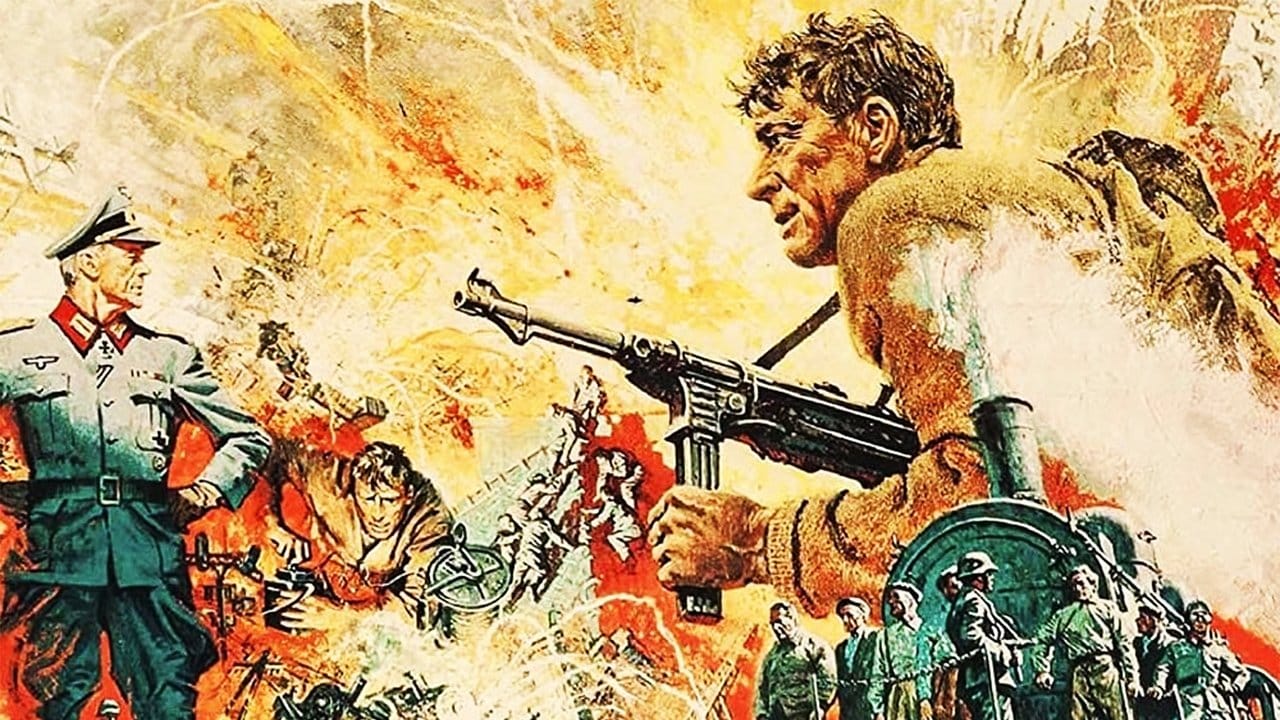
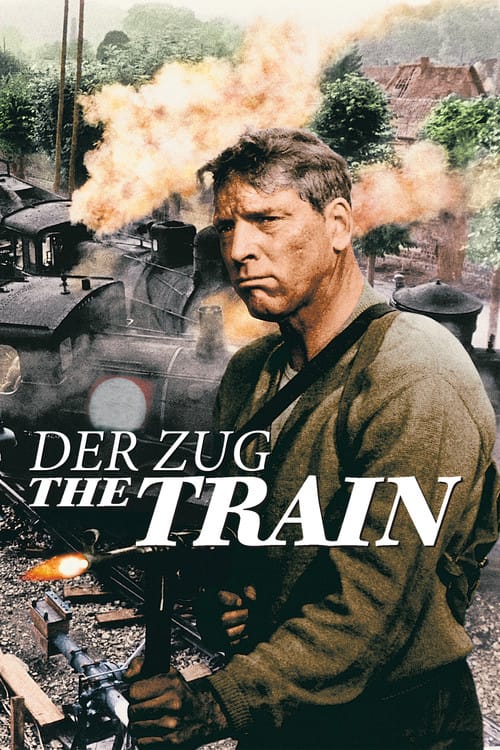
Paris 1944, wenige Tage vor der Befreiung durch die alliierten Streitkräfte. Oberst von Waldheim ist zwar kein Freund der “entarteten Kunst”, doch er weiss, dass die Gemälde in den Pariser Museen ein Vermögen wert sind. Von Waldheim lässt die erlesensten Kunstschätze des Landes auf einen Zug nach Deutschland verfrachten. Verzweifelt wendet sich die Museumsdirektorin Villard an den Stationsvorsteher Paul Labiche. Sie erklärt dem Widerstandskämpfer, dass die Kunstschätze aus nationalen Gründen unbedingt gerettet werden müssen...
Hauptdarsteller


Mehr wie das
Communauté
7.5
Note Trakt
463 votes
10
44
9
58
8
165
7
127
6
39
5
6
4
7
3
2
2
6
1
8
1.4KSpectateurs
22.8KCollectés
1.7KListes
Avis de la communauté (3)
D
dgwCritique★8/10Dec 24, 2017
I have to say, the air raid with explosions all around but nothing falling from the sky to cause them was funny from my perspective sitting 50-odd years in the future from when this was filmed. Say what you will about 1960s movies—many of them are still great, but the effects do tend to show their age. The other technical comment I have is that Burt Lancaster must have rolled down that hill an awful lot to get all of the camera angles done. Just look at how much footage they have of him tumbling over the grass toward the road! ---- Overall, I award this film 8.4/10 — not quite enough to round it up to a 9, but close. There are some great moments in here, especially as far as the trains are concerned. I applaud the production for making the train "accidents" realistic, rather than having everything explode at the brush of a feather as is so common in more modern Hollywood films. Although the air raid near the beginning does suffer from this a bit—many of those explosions seemed driven by the creation of a spectacle. But no film is perfect, right? I got some real _Die Hard_ vibes from this, which was unexpected but welcome.
♥2
M
MrDirtyDan★10/10Mar 1, 2025
"Keep your eyes open. Your horizon's about to be broadened." The train has not just one train, it has 2 trains! At the end of the film, we see an exhausted nazi colonel who, after knowing he has lost, attempts to talk his way into a moral victory. The Colonel expresses his appreciation of the priceless art he has stolen and argues that though he lost the war, Labiche fought for something he will never understand. Labiche looks at the 12 bodies that the Nazis massacred; he then kills the colonel. Labiche knows the lives sacrificed for that art, nobody understands the price of those paintings better than him. 5 stars.
J
juliosoft★7/10Jul 11, 2015
Good movie with another point of view about de war, wll directed and good actors
Kritiken