Laden...
7.8·2015·128 min·English·Regie Tom McCarthy
Die Wahrheit steckt zwischen den Lügen.
DramaHistorie
Handlung
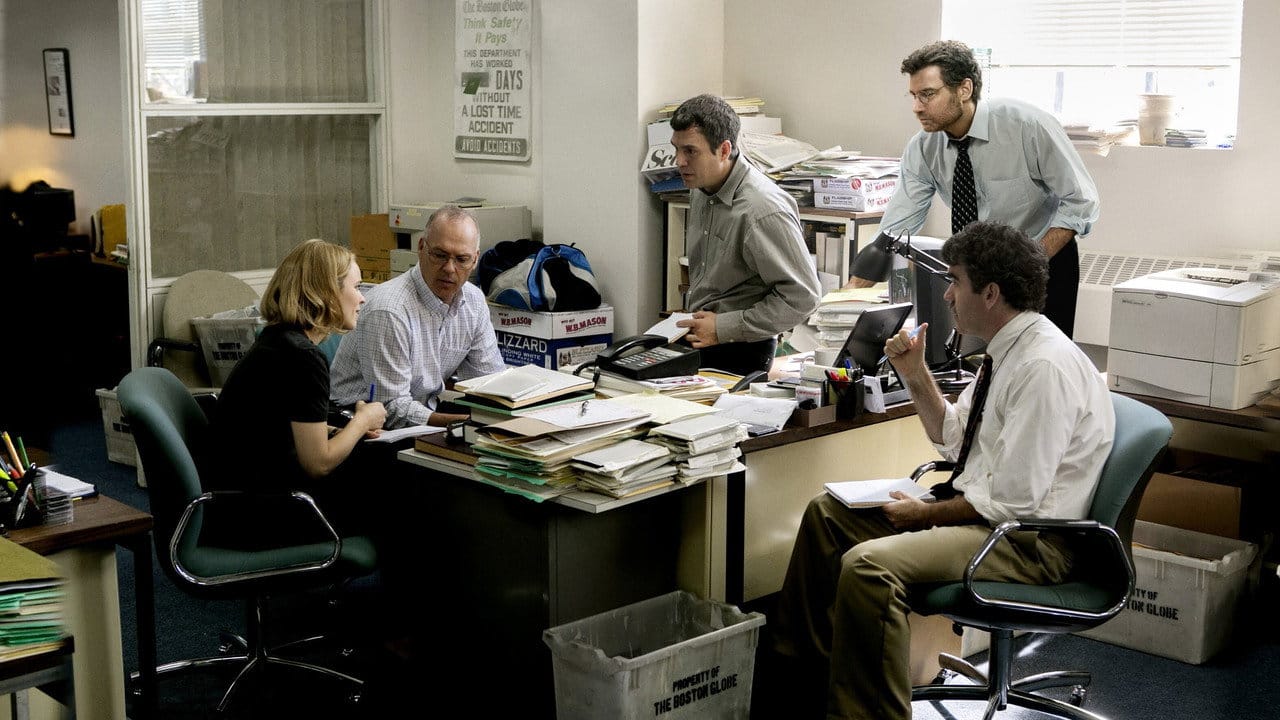
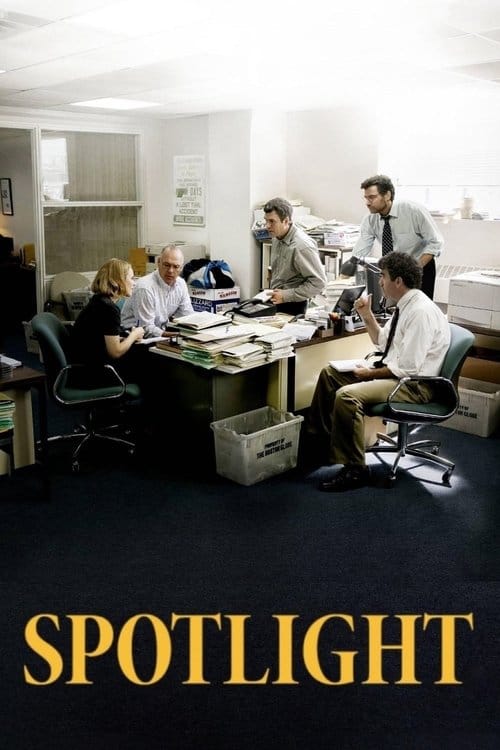
Ein einfacher Artikel in der Boston Globes setzt eine Kettenreaktion in Gang: Es wird berichtet, dass es in Boston einen Kindesmissbrauch in der katholischen Kirche gab. Chefredakteur Marty Baron vermutet, dass hier noch mehr passiert sein kann und setzt ein Team, bestehend aus Walter Robinson, Michael Rezendes, Sacha Pfeiffer und Matt Carol, auf die Recherche an. Das Team deckt eine Reihe von Missbräuchen auf und will sie an die Öffentlichkeit bringen. Doch das Schweigen der Opfer und Anwälte, die gegen das Team arbeiten, erschweren die Nachforschungen …
Hauptdarsteller



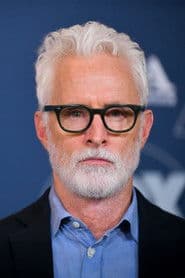
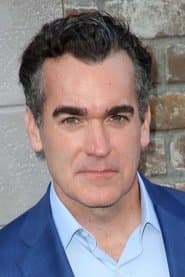
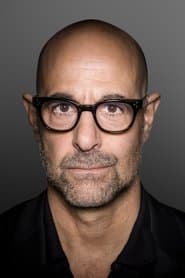


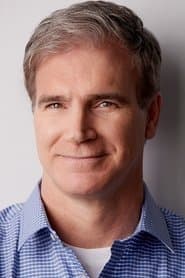
Mehr wie das
Communauté
8.1
Note Trakt
14.8K votes
10
2.5K
9
2.8K
8
5.3K
7
2.7K
6
923
5
187
4
102
3
27
2
27
1
175
49.4KSpectateurs
197.8KCollectés
42.2KListes
Avis de la communauté (10)
A
AndrewBloomVIPCritique★7/10Jan 11, 2016
It's hard to say how much knowing what happens affects our enjoyment of a story. We live in the age of the spoilerphobe, where nerds like me abandon social media in the days leading up to a major release for fear of having significant plot points or major twists revealed too soon. But in Shakespeare's day, everyone knew the stories being told, and the lack of novelty of the tale didn't lessen the draw. And that's a reminder that what the story is need not, and arguably should not, overshadow how the story is told. Which is to say, I'm not sure how much the greater effect of Spotlight is lost on me already knowing a decent amount about the molestation scandal within the Catholic Church that played out in the newspapers and on our television screens for years after the time depicted in the film. The film is, if not exactly a mystery, than certainly a story of the intrepid reporters of the Boston Globe's "Spotlight" team starting small and uncovering how widespread a pathology this phenomenon was. Much of the film is framed with the Spotlight team investigating something seemingly isolated and being shocked to find how the tendrils stretch out and reach areas and individuals they never would have expected. But the impact of this gradual discovery is blunted when you already know how deep the rabbit hole goes. Sure, there's something to the characters' realization that tries to drive the magnitude of the discovery home, but as horrible as what they uncover is, the film loses some of its narrative punch when it's telling you something you already know. Which is why the film's most vivid and poignant scenes are those involving the Spotlight's team interviewing the victims of the abuse. There's a stark quality to these sequences, which feature straightforward but moving recountings of how these men were taken advantage of as boys, that make them stand out. The film as a whole has a Wire-esque sparseness in the production design and cinematography that makes these scenes, and the horrors they represent, more palpable, awful, and affecting. But they also reveal a difficult hurdle for the film -- the story of what happened is more striking than the story of the people who found out what happened. But it's a sprawling, very individual story, splintered across thousands of victims and abusers, and director/co-writer Tom McCarthy uses the frame of the newspaper investigation to tie it all together. The unfortunate side effect is that it mediates terrible events that the film is concerned with, mixing them up with didactic discussions of psychological pathology and the personal effect that learning all of this has on the reporters who discover what happened. There's a fair attempt made both to educate about this crisis and to bring its wide-ranging impact home by showing how it affects Mike Rezendes's (Mark Ruffalo) connection to his faith, or Sacha Pfeiffer's (Rachel McAdams) relationship with her grandmother, or Matt Carroll's (Brian d'Arcy James) sense of the safety of his children in his neighborhood. And yet even as the film is about the Catholic Church's molestation scandal, it's as much about the way that communities close ranks in the face of a potential crisis, and in how there's a certain complicity to it, a sometimes unconscious acceptance of how things are that invites horrific actions to be swept under the rug. A laudable performance from Michael Keaton as Spotlight editor Walter Robinson anchors the latter theme in the film. As Robinson hunts down old leads and sources, he encounters resistance from well-meaning fellow journalists who believe the story was culled from the crank file, less-than-subtle suggestions from friends and community leaders who urge him not to rock the boat for the good of the community, and disdain from veteran soldiers in the fight to expose the abuse who chastise him, and by extension The Boston Globe, for not doing more and doing it earlier. Carpetbagging editor- -in-chief Marty Baron (Liev Schreiber, who makes a strong impression with a lived-in performance in a smaller role), represents the way an outsider can cut through the status quo and see the collective shame for what it is without the history in the community or the stomach to ignore it. It's legitimate material to explore in a film of this sort, and yet it ultimately feels very paint-by-numbers in the attempt. Spotlight has all the trapping of the prestige picture. It hits on a Big Issue; it features palatable protagonists fighting against something abhorrent; and it boasts an impressive cast who are given more than enough room to underline the film's points. Every scene seems to end with a line or an exchange that puts a very obvious bow on whatever the audience has just witnessed. Ruffalo gets his Oscar reel moment to bang on the table and demand justice. And the end of the film features the predictable moment of self-questioning, the inevitable bit of triumph, and the white text on a black background explaining the real life consequences of the "Based on Real Events" story the viewer has just witnessed. That means that the film gets every opportunity to make its statements, to throw in standard-if-creditable character moments, and to work in small but salient details of the scandal. It simply does not make this all feel like something other than a movie going through the motions in the lead up to the Academy Awards. The film has something to say, and it's worth saying, but it doesn't delve particularly deep into these ideas, and doesn't offer anything especially creative in how it presents them either. Spotlight is a good enough film. It has a sturdy structure, good acting across the board, and locks in on some worthwhile thematic material. It's not a movie I'm sorry to have watched, but also not a movie I'm likely to ever watch again, because even if I haven't seen this exact film before, I've seen this type of film 100 times. It's a solid take on the dogged reporter breaking a scandal story, and hits all the right notes for an Oscar hopeful. But Spotlight never goes a step beyond that commendable-yet-spiritless flavor to the proceedings that seems to persist through so many movies in the same vein.
♥17
I
iiWejdan★9/10Jan 2, 2016
It got this documentary feel in a way that emphasize the story credibility like those are real reporters and real victims notnot some reenactment of event. That's what makes spotlight special also the incredible cast obviously
♥15
M
messtix★9/10Jan 31, 2016
This is a strong story. Amazing cast. It makes you see things from another point of view.
♥8
M
MrAniki★8/10Mar 31, 2016
Sometimes it's easy to forget that we spend most of our time stumbling around the dark. Suddenly, a light gets turned on and there's a fair share of blame to go around. I can't speak to what happened before I arrived, but all of you have done some very good reporting here. Reporting that I believe is going to have an immediate and considerable impact on our readers. For me, this kind of story is why we do this.
♥7
S
SimonYNWAVIPCritique★8/10Feb 3, 2016
For a film with such an emotive and challenging subject matter, this is such a low-key and underplayed film. The filmmakers seem to recognize that details of how the Catholic Church dealt with both the perpetrators and victims of child sexual abuse speak for themselves and instead they have used this as a background to a film that celebrates the hard work and graft of old-school journalism. In the Internet age of 24-hour news cycles and social media demand, it's refreshing to see a story that focuses on the reality of investigative journalism and the teamwork involved - there are no rushes to meet deadlines, no villainous editor or board trying to thwart their efforts, no heroic writer who uncovers the truth and threats from those complicit in the cover-up amount to little more than vague attempts at justifying their actions. Even the eventual publication of the work is simply portrayed as another day at the office, though the final moments do hint at the larger picture that is so widely known now. As the film is about a team of people that worked on the investigation, it is also nice to see a focus on the ensemble of characters rather than on one or two, with only one moment of cathartic grandstanding from Ruffalo that feels a little out of place in the film as a whole, notwithstanding his great performance. But it is difficult to single any one out here - perhaps for a film that celebrates the team effort in bringing such a difficult story to light, that is somehow appropriate.
♥6
Kritiken