Laden...
7.9·1952·132 min·English·Regie Charlie Chaplin
Das Meisterwerk aus Lachen und Tränen vom Meister der Komödie!
LiebesfilmDramaMusikKomödie
Handlung
Kurz vor dem Ersten Weltkrieg muss der alternde Komiker Calvero erkennen, dass er am Ende seiner Karriere angekommen ist. Eines Tages rettet er die junge Balletttänzerin Theresa vor dem Selbstmord und macht es sich fortan zur Aufgabe, ihr neues Selbstvertrauen für eine Rückkehr auf die Bühne zu geben. Während Theresa aus Dankbarkeit glaubt, sich in Calvero verliebt zu haben und ihn vergeblich bittet, sie zu heiraten, wird Calvero von dem Wunsch erfüllt, noch ein letztes Mal im Rampenlicht zu stehen
Hauptdarsteller

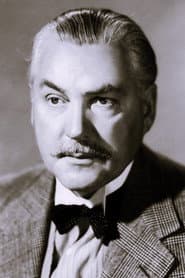

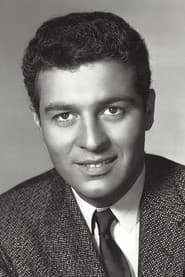
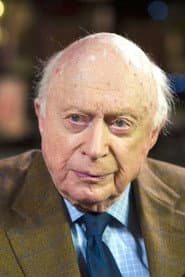
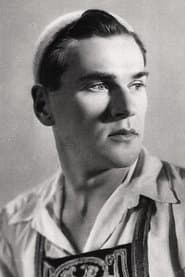

Mehr wie das

Feel the Beat
2020·7.6

The High Note
2020·7.0

StreetDance: New York
2016·7.0
Coyote Ugly
2000·6.3
One Chance - Einmal im Leben
2013·6.7
Save the Last Dance
2001·6.5

Step Up All In
2014·6.8

Streetdance - Folge deinem Traum!
2018·7.3

Pure Country
1992·7.0

Dance! Jeder Traum beginnt mit dem ersten Schritt
2006·6.9

Der verlorene Ehemann
2020·6.8

StreetDance 3D
2010·6.5
Communauté
7.9
Note Trakt
443 votes
10
78
9
86
8
142
7
76
6
27
5
19
4
6
3
1
2
3
1
5
1.0KSpectateurs
21.4KCollectés
2.0KListes
Avis de la communauté (2)
M
manicureVIPCritique★7/10May 1, 2021
"Limelight" is not Charlie Chaplin's last film, but definitely the one that served as his farewell. It's a bittersweet, tremendously old-fashioned film that could have been as well a piece of theatre, but that despite his obvious flaws and schmaltzy philosophy deserves a place in every film lover's library, especially if considered in relation to Charlie Chaplin's persona. Faded comedian Calvero seems to be inspired by Chaplin's father, an artist who also lost his audience due to alcohol abuse. It's not a coincidence that the Edwardian London setting corresponds with the places and theatres Chaplin used to hang out in his childhood. Calvero also shares more than one thing in common with 63 years old Chaplin, ostracized by Hollywood for his political views and left behind by his audience as his humor had become outmoded. Calvero is a self-destructive man who has hit rock bottom countless times; however, he is the one to inspire optimism for the future to the young generation, represented by the hopeless and suicidal ballerina Terry. The relationship between the two seems to mirror Chaplin's taste for much younger women, but as the film goes on, he seems to be self-aware that it's time to hand over the rein to the next generation of men and artists (Neville). Honestly, I would have loved a more realistic ending, as Calvero's sudden triumphant return felt a bit unnatural, but I guess that a truly tragic outcome would not serve the film's philosophy. There is also a narcissistic tendency to glorify Chaplin's persona and art life that personally made him feel even more distant. His routines drag on for too long, and don't serve the plot much if not to show that Calvero is, in fact, not that funny anymore. Overall, "Limelight" is still a classic worth watching, but I am not sure I would have appreciated it as much if it had been directed and performed by another comedian. Still impressive how he always manages to direct, write, perform, and score everything by himself.
♥2
D
drqshadowCritique★5/10May 14, 2025
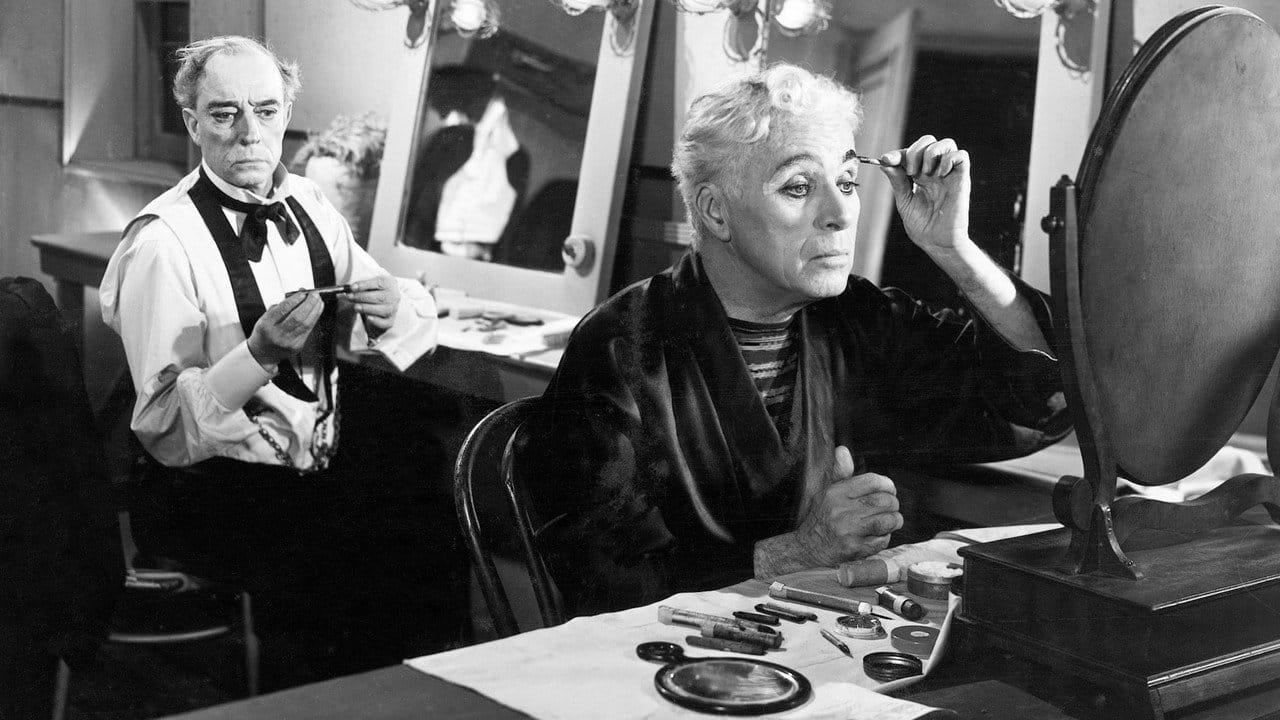
In playing Calvero, a once-great entertainer who’s fallen out of favor and into a bottle, Charlie Chaplin uses _Limelight_ to toy with an autobiographical subject. Chaplin never had a documented substance problem - that was his father’s vice - but his sadness at becoming a relic, at losing the popular rapport that once came so easily, is clearly drawn from private wells. The character’s wallow in self-pity is short-lived, as he agrees to look after a fragile, suicidal ballet dancer, but the pathos remains. His new houseguest is in a difficult place, having lost faith in herself and the world around, and Calvero pounces upon the opportunity to help turn things around, hounding her with steady, uplifting arguments in favor of life. The unspoken question, then, is who he’s most trying to convince: the ballerina or himself. _Limelight_’s story is personal and meaningful in its best spots, but meandering and unfocused in its worst. As points are belabored and scenes virtually repeated, the plot telegraphs its intentions and then leaves us waiting. Chaplin shares a wonderful connection with costar Claire Bloom that can make the deliberate pace more tolerable. Even in early scenes, when she’s bed-ridden and down in the dumps, Bloom is graceful, warm and lovely. Her uncertain relationship with the much older man adds complexity to the mix, a verboten romance that tempts actor and audience alike. There’s a light in both stars’ eyes, when they’re together, that lacks in the surrounding scenes. While he struggles to find a rewarding new gig in the present, Calvero frequently daydreams about the past. These vaudeville throwbacks may seem like a great chance for fans to share one last ride with the aging master, but in fact, they’re among the film’s weakest segments. Chaplin is still in tune with his physical charms, a smoothness in action that belies his age, but the comedy is tedious and repetitive, lacking the creative spontaneity that made his two-reelers so irresistible. One exception there: a wordless, penultimate musical act with special guest Buster Keaton. This would prove to be the only time Chaplin and Keaton appeared together on film, and silent movie fans will find a special kind of magic in the belated partnership. I wish they’d done more together over the years, but I’m glad they did something at all. Neither Chaplin’s most profound, humorous, intriguing or engaging picture, _Limelight_ does shed some melancholic light on the graying star’s attitude as he approached the end of the line. Charlie seemed content to coast off into an easygoing semi-retirement as a side attraction, enhancing other stars’ shine at the cost of his own, but America had different ideas. While in London to attend the film’s premiere, he was barred from re-entering the United States amidst accusations of Communist leanings. He wouldn’t return for another two decades.
Kritiken