Laden...
7.1·1939·80 min·English·Regie Sidney Lanfield
MysteryKrimiHorrorThriller
Handlung
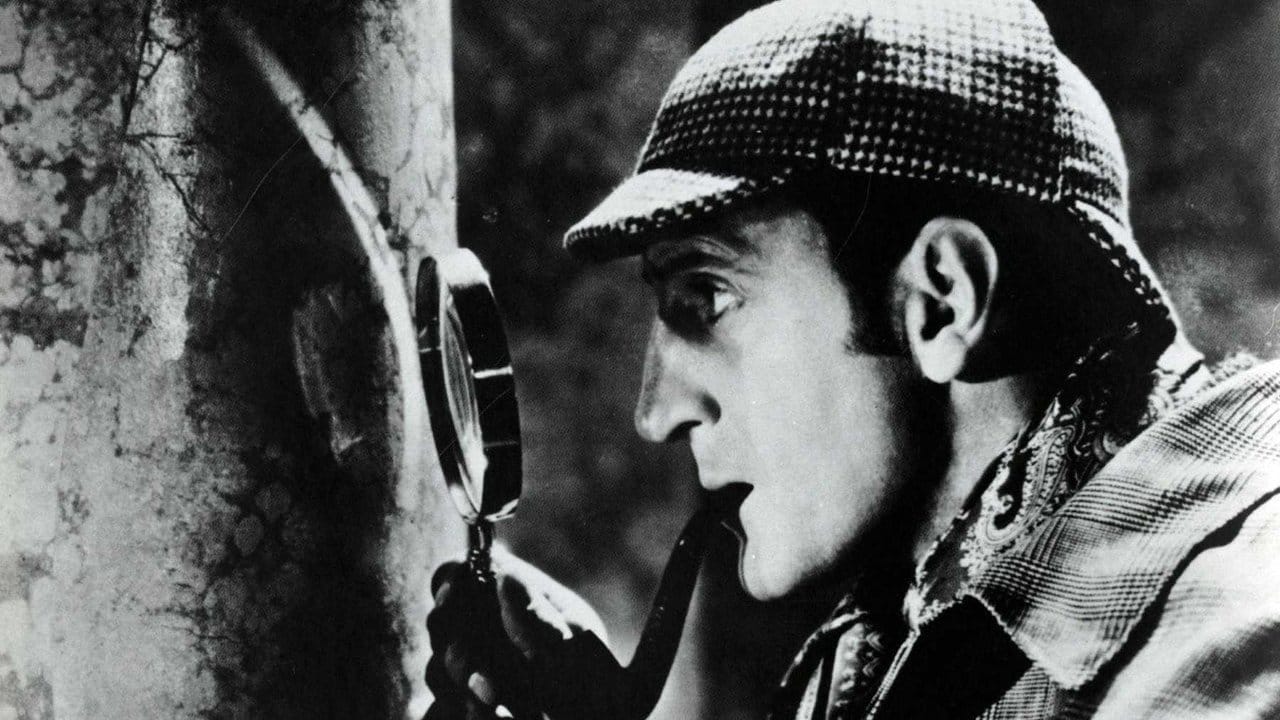
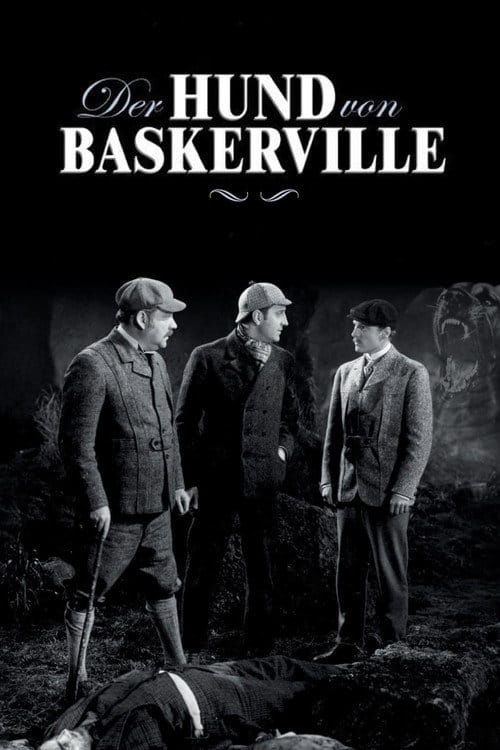
Nach dem Tod von Sir Charles Baskerville reist sein Sohn Sir Henry Baskerville aus Kanada an um das Landhaus Baskerville Hall zu übernehmen. Da Charles’ Arzt und bester Freund Dr. James Mortimer an einen Mord glaubt, engagiert er Sherlock Holmes und Dr. Watson. Er erzählt ihnen von einer Sage, wonach die Baskervilles von einem Höllenhund verfolgt werden. Auch neben dem Verstorbenen hat er Hundespuren entdeckt. Dr. Watson begleitet Henry auf sein Anwesen, während Sherlock Holmes unerkannt nachreist, um im Verborgenen Nachforschungen anstellen zu können, wobei es zu weiteren Hundeangriffen kommt.
Hauptdarsteller

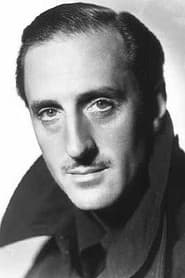

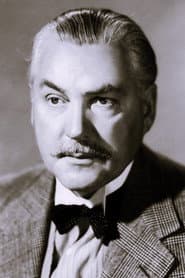

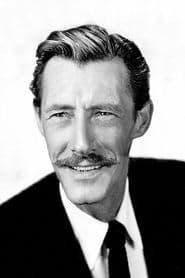
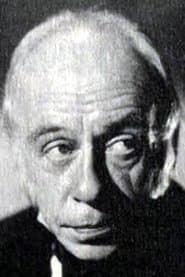
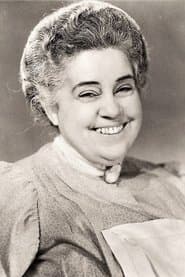
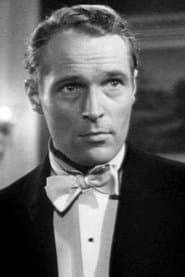

Sherlock Holmes (Basil Rathbone) Filmreihe
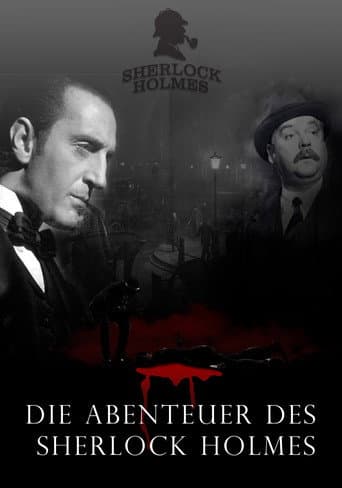
Die Abenteuer des Sherlock Holmes
1939·6.9
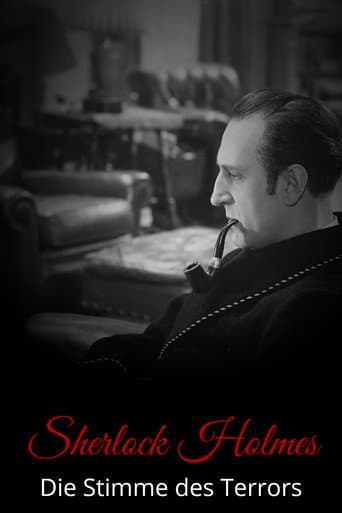
Die Stimme des Terrors
1942·6.5
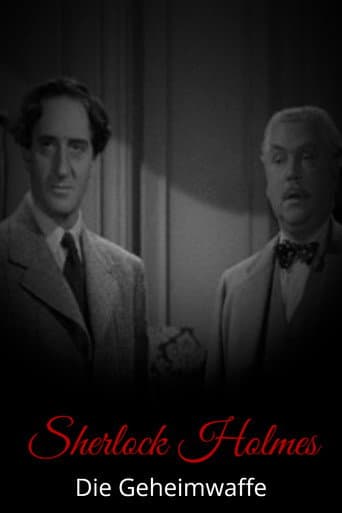
Die Geheimwaffe
1942·6.4
Verhängnisvolle Reise
1943·6.8
Gespenster im Schloß
1943·6.9
Das Spinnennest
1943·7.0
Die Kralle
1944·7.0
Die Perle der Borgia
1944·7.1
Das Haus des Schreckens
1945·6.9
Die Frau in Grün
1945·6.5
Gefährliche Mission
1945·6.8
Juwelenraub
1946·6.6
Mehr wie das
Der Hund von Baskerville
1983·6.5
Das krumme Haus
2017·6.4
Der denkwürdige Fall des Mr. Poe
2022·6.8
The Dogs
2025·6.6
Die dunkle Saat
2023·6.0
Wolfen
1981·6.0
Sleepy Hollow
1999·7.2

I Am Not A Serial Killer
2016·6.3
Alle Teufel sind hier
2025·6.1
Fear Street - Teil 3: 1666
2021·7.1

Die Farbe aus dem All
2020·6.1

The Ritual
2017·6.3
Communauté
7.3
Note Trakt
332 votes
10
34
9
30
8
70
7
121
6
59
5
10
4
1
3
2
1
1
6
1.2KSpectateurs
18.9KCollectés
1.0KListes
Avis de la communauté (4)
S
senbaldorVIPCritiqueJun 7, 2026
# Cultural and Historical Context - Legacy - Foundation of the Rathbone-Bruce film series - Setting the gold standard for Holmesian portrayals - Transition of Conan Doyle's literature to classic cinema # Themes and Symbolism - Core Concepts - Rationality vs. Superstition - The fragility of the aristocratic lineage - The 'beast' as a projection of human malice # Cinematography and Visuals - Aesthetics - Expressionistic lighting (chiaroscuro) - Fog-drenched location scouting - Claustrophobic indoor sets vs. expansive, threatening moors # Narrative Structure - Plot Progression - Initial briefing at 221B Baker Street - Establishment of the moorland atmosphere - Investigation of Stapleton's deception - The climax at the Grimpen Mire - Style - Victorian gothic mystery - Deductive procedural structure - Shift from urban logic to rural superstition # Character Analysis - Sherlock Holmes (Basil Rathbone) - Defining the intellectual prototype - Cold, rationalist persona - Dominance of logic over fear - Dr. Watson (Nigel Bruce) - The relatable proxy for the audience - Source of comic relief and unwavering loyalty - Grounding agent for Holmes's abstraction # Summary Insights - The film establishes the enduring archetype of the Holmes/Watson dynamic, balancing Holmes's clinical coldness with Watson's humanity. - It serves as a masterclass in 'Gothic Realism,' using atmospheric fog and shadow to symbolize the obfuscation of truth. - The central conflict functions as a metaphor for the Enlightenment project: using scientific observation to dismantle ancestral myths and superstitions. - The decision to keep the 'beast' partially hidden for much of the film highlights a mastery of psychological suspense over mere creature-feature thrills. - The 1939 production marks the pivotal moment where the literary Holmes was permanently cemented into the global consciousness through screen performance.
T
thehotrock★7/10Oct 11, 2025
i think short of Frogwares' The Testament of Sherlock Holmes back on PS3 this was my first conscious dip into any Holmes assorted media somehow??? with it being the first of fourteen adaptations headlined by the Rathbone and Bruce duo it seems like it was a good choice. the moorland made for a great setting and i loved the sequences with Watson's letters.
S
siggi963★7/10Oct 29, 2024
One of the best movies on the classic Sherlock Holmes story.
J
juliosoft★6/10Feb 22, 2014
Cinema Paco 2. Image 3.75 / 5 Sound 3/5. Estimable film worthy of his time
Kritiken