Laden...
7.1·1970·98 min·English·Regie Bob Rafelson
Auf der Straße nach Nirgendwo war er am schnellsten.
Drama
Handlung
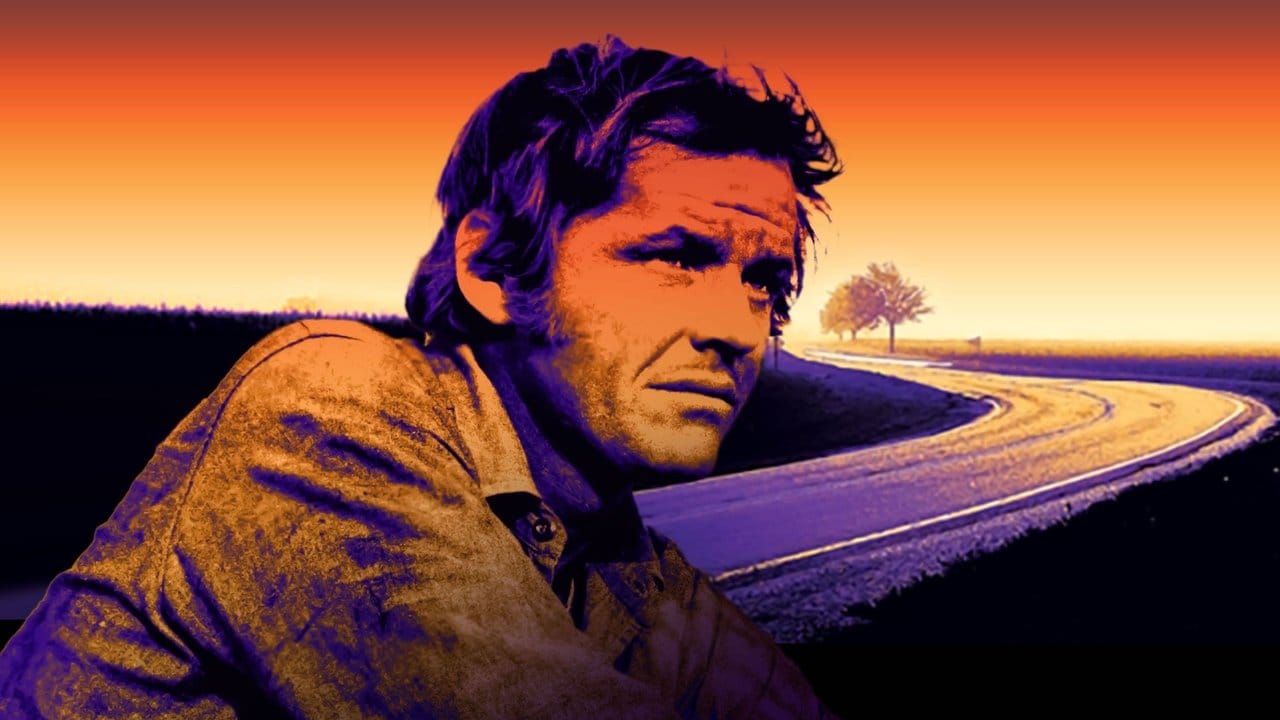
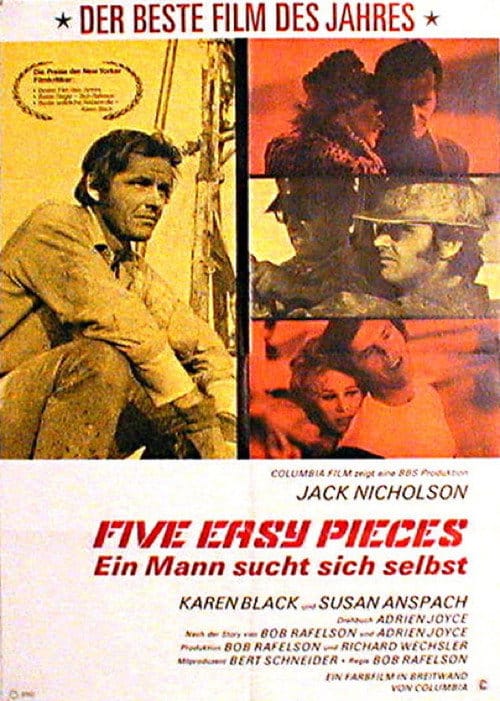
Robert Dupea, ein hochbegabter klassischer Pianist aus einer reichen Intellektuellenfamilie, hat es sich offenbar zur Aufgabe gemacht, sich von Job zu Job und von Frau zu Frau treiben zu lassen. Derzeit arbeitet er auf einem Ölfeld und verbringt den Großteil seiner Freizeit damit, sich um den Verstand zu trinken, Poker zu spielen und seiner verführerischen, wenn auch nicht besonders hellen Freundin Rayette gegenüber sämtlichen Verpflichtungen aus dem Wege zu gehen. Als er jedoch an das Totenbett seines Vaters gerufen wird, kehrt Dupea mit Rayette in sein Elternhaus zurück, wo er eine kultivierte Frau kennen und lieben lernt. Zwischen zwei Welten gefangen, muß Dupea sich plötzlich mit Fragen auseinandersetzen, die sein Leben für immer verändern.
Hauptdarsteller
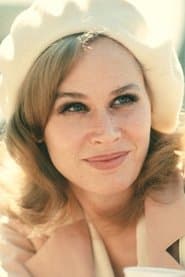


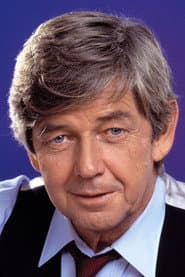
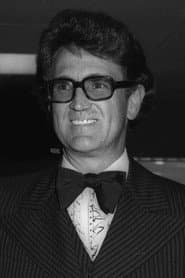
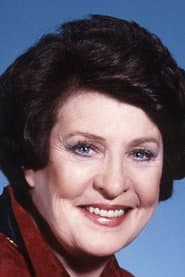

Mehr wie das


Communauté
7.0
Note Trakt
718 votes
10
65
9
44
8
188
7
207
6
111
5
44
4
29
3
8
2
13
1
9
1.8KSpectateurs
73.5KCollectés
3.4KListes
Avis de la communauté (6)
R
Redouaaane★7/10Jan 12, 2014
> ― I'd like an omelet, plain, and a chicken salad sandwich on wheat toast, no mayonnaise, no butter, no lettuce. And a cup of coffee. ― A #2, chicken salad sand. Hold the butter, the lettuce, the mayonnaise, and a cup of coffee. Anything else? ― Yeah, now all you have to do is hold the chicken, bring me the toast, give me a check for the chicken salad sandwich, and you haven't broken any rules. ― You want me to hold the chicken, huh? ― I want you to hold it between your knees. #Classic
♥4
G
geomagnetoApr 21, 2020
Excellent studies in character development from the perspective of early 70s filmmaking. Nicholson gives a nuanced performance as half mad man, half genius. This one will probably go over the heads of those with flat expectations from years of bad watching habits. To get it you need to understand what makes a classic movie great. [spoiler] When Nicholsons character reacts to a traffic jam by storming out of the car and onto a truck with a piano, playing it as it exits the highway, you get a taste of the style here [/spoiler]
♥1
N
njgr★8/10Nov 24, 2024
Not unlike its lead character, Robert Eroica Dupea (Nicholson), it's hard not to like and dislike this film. As a star vehicle it's superb, and it's also early enough in Nicholson's career that he seems to be playing the character more than that of his "Jack" persona. Hints of it peek through when he gets angry or frustrated, but it's all in the service of a character who is desperately unhappy with his life and every choice he makes. There's something timeless or generational in Robert's rage--you could see it happening in 1970, when the film was released, but you could also see it being at home in the 1990s or 2020. The result is a very human story, but as one character suggests, it's hard to love someone that doesn't love themselves.
S
soonertboneVIP★7/10Dec 28, 2022
Wasn’t sure what to make of this one. Doesn’t hold up for me in the same way as some other New Hollywood pictures, but it did have some striking moments of poignancy (not least the terrific downbeat ending.) Nicholson’s iconoclast character felt very of a time, in a way that doesn’t compare favorably to Bonnie and Clyde’s duo or even The Graduate’s Benjamin. The movie overall struggles to find its way, shifting gears dramatically halfway through and ending up feeling like 2.5 very different movies. (The .5 is due to a strange road trip interlude connecting the two halves that never quite comes together, even despite the famous chicken salad scene.)
T
TorgoVIP★10/10Jan 4, 2021
A child prodigy-turned-blue-collar-laborer returns to his family home to visit his dying father. [spoiler] This experience doesn't improve him. He doesn't become "rehabilitated". The movie ends with him changed, but just as much of a burn out as he was before. [/spoiler]That's the point.
reviews