Laden...
6.8·1995·100 min·English·Regie Bruce Pittman
Science FictionTV-Film
Handlung
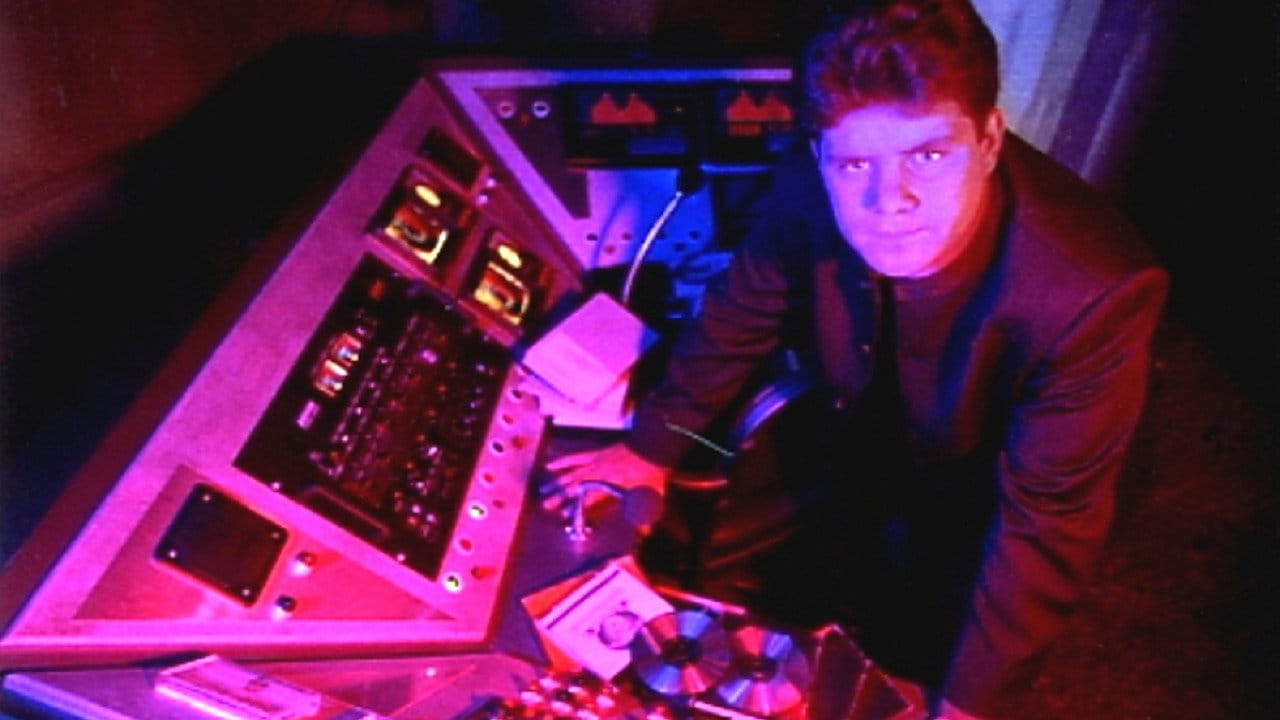
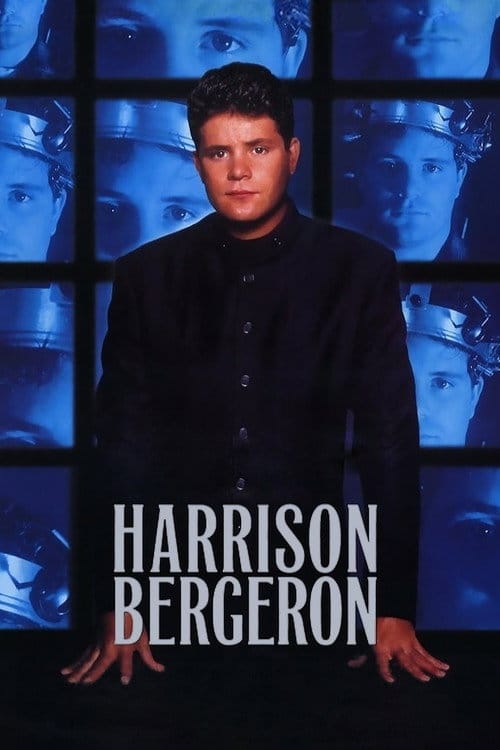
Alle Menschen sind gleich. Genau diesen Vorsatz hat sich die Regierung Nordamerikas im Jahr 2053 genommen. Somit gilt das Gesetz der absoluten Gleichheit. Unterschiede werden aufgehoben, Intelligenz und Begabungen werden systematisch unterdrückt. Nur bei Harrison Bergeron scheint das System nicht anzuschlagen. Der Junge mit dem überdurchschnittlichen IQ soll sich einer therapeutischen Behandlung unterziehen, die mit einer Gehirnoperation abgeschlossen werden soll. Doch am Abend der Operation erhält er eine Einladung von Dr. John Klaxton, der ihn mit in den Untergrund nimmt, an den geheimen Aufenthaltsort der elitären Regierungsschicht. Dort lernt Harrison einen Alltag, beherrscht von Kunst und Literatur, Philosophie und Musik kennen. Doch schon bald muss er erkennen, dass diese geheime Welt auch von Korruption und Absurdität gefüllt ist. Als Harrison sich in die geistreiche Philippa verliebt, bricht er ein eisernes Tabu.
Hauptdarsteller









Mehr wie das
Roswell - Die Wahrheit ruht hier
1994·6.1
4 Horsemen: Apocalypse
2022·6.0

Alien Space Battle
2022·5.9
Afterburn
2025·6.2

Der Mann, der vom Himmel fiel
1976·6.5
Matrix Resurrections
2021·6.3
Timescape
1992·6.5

Elysium
2013·6.5
Advantageous
2015·6.0
Stargate SG-1: Das Tor zum Universum - Final Cut
2009·7.2
Knight Rider - K.I.T.T. in Gefahr!
2008·6.3
Idiocracy
2006·6.4
Communauté
6.8
Note Trakt
90 votes
10
5
9
12
8
14
7
23
6
23
5
5
4
3
3
2
2
1
3
279Spectateurs
1.6KCollectés
419Listes
Avis de la communauté (5)
M
moonkodiCritique★5/10Mar 18, 2017
Another one of them movie that tell us just how dumb the majority are. Like all stories in this vein it comes across half good story ideas and half personal rant. These movies (especially in these days of conspiracy) always find an audience of people who feel they are those awakened or smart individuals themselves. It becomes a personal movie and social commentary. These sci-fi movie tend to focus on the subject of personal intelligence (a reflection of the writer's frustration) rather than all aspects of society and a bigger picture. 1984 maybe being an exemption. It gets called a 'thinking person's movie' a lot on imdb. I find this this statement may be a bit of self projection for some viewers who feel like the characters in the movie. Mayne verging on intellectual pretentiousness, yet I do understand people's frustrations. For me it's a sci-fi movie. I understand the social commentary but I've come to the conclusion in real life that it's not so much governments who are always the bad guys doing the dumbing down but people themselves willing to take the easy route because of human nature itself. The movie itself is good. It's not too ranting and it's got some humour in it. The message gets a little tiring and the story could have done with some interesting turn of events.
♥1
J
jveerapen★6/10Jan 5, 2026
The concept was very interesting, I’m not familiar with the short story but it definitely has the vibe of a Black Mirror episode with a similar messaging to Idiocracy. I have no problem with the idea and found it interesting enough. This movie definitely suffers from pacing. For a 95 minute movie, it feels incredibly long. It kept my attention mostly because I’m a big Sean Astin fan, but I’m not sure if it would’ve otherwise. And while Sean is great, some of the other acting has that 90s over-indication. I did enjoy Christopher Plummer however, I thought he and Sean had a great on-screen dynamic. It was also fun to see Eugene Levy (if a little tragic to see him play a character that unfortunately feels too on-the-nose in current times…) as well as Howie Mandel and a surprise in the end of an itty bitty adorable Hayden Christensen. I might be hampered because I’m literally halfway through the first season of Severance, so I’m unexpectedly comparing the two as far as the realm of being controlled by a secretive organization and wanting out for the freedom of living life. Overall this film was fine, but underwhelming.
T
TKPNPodcast★4/10May 4, 2025
How can such a classic, wonderful short story about the pressure for the excellent to become average in society be so freaking average?
L
LNeroCritique★5/10Jul 29, 2024
Really poorly made across the board. It starts to make a couple of salient points about top-down entertainment programming, but fails to say anything meaningful about _why_ things are so fucking stupid in mass media. The (attempts) at drama and attempts at being philosophical (most) all feel like a TBN "Christians being oppressed by imaginary evil secularists" TV movie. I'm not saying the message is the same, but the—as moonkodi mentions—personal ranty-ness of the generally very poor writing comes off as sophomoric, and the acting direction is just bottom of the barrel. Christopher Plummer is always great, though. I was bemused when Plummer's John Klaxon (lol) went on his "This is why things must be the way that we make them" diatribe, because I can't imagine what would possess someone to present *envy* as the reason for the atrocities of war. Just... what? And the film runs with this until the end, having Astin's Bergeron treat it like the real reason by the end of the film. A power differential supported by useful idiots is the reason atrocities happen, not envy. Also, _Idiocracy_ is vastly superior to this in every way, and makes more sense as a parody of something that we are currently watching happen (a spiral of dysfunction due to degeneracy in government and broad society and a culture of LCD anti-intellectualism and Post-Reagan business/governmental socioeconomic policies). Although this film makes a couple of accurate-yet-obvious jabs at the low-brow nature of most television, and how it is actually made so that the stupidest and most incurious person watching can feel included (eg. Joey on "FREINDS".) The romance is like watching a reverse-cucking Mormon snuff film. Through its runtime, its tepidity is what damns it from being either an entertaining watch (it starts to approach being somewhat inspiring near the end, but that's still grading it on a handicapped curve), or a compelling piece of sociological science fiction. I can say it's not as despondently soul-crushing as watching _1984_, nor as cringe-inducing as watching _V for Vendetta_, but I could at least laugh at the supreme edgelordiness of _V_.
K
killip.seanCritique★9/10Jul 26, 2023
A whole lot goes into this 9/10, first and foremost, though, is the fact that Mike Judge's Idiocracy (2006) exists in stark contrast to Harrison Bergeron (1995). Idiocracy is considered by the passive viewer as a prescient and hilarious film (to the point where some call it a documentary) but those with any kind of political bent clocked it (correctly) as a reactionary work of the most heinous stripe. Casual endorsement of eugenics, tacit support of SWERF, a gross misunderstanding of addiction and just an underlying mean-spirited cynicism in general; all of this is plain to see in Idiocracy if you just take a good hard look. Not hard to find either, it's streaming on Hulu. Now, consider Harrison Bergeron (1995), a humble cable movie that is, last I checked, unable to be legally streamed anywhere. You can find a 240p upload on YouTube (which is what my friend had to settle for) if you don't want to go down "illegal" channels. I managed to get a 480p VHS tape from a fellow film nerd last year, and I am very grateful. To begin with, where Idiocracy makes jokes that constantly punch down (while masquerading as incisive satire), Harrison Bergeron quietly sets up its plot without any hard punchlines or tasteless caricatures. Having seen Idiocracy more than once, I must admit, I was waiting for the other shoe to drop; namely, when was Harrison Bergeron going to take a Right Turn (read Chomsky 1986/10/22)? To my pleasant surprise, it never happened! This film is what I always wished Idiocracy to be - subversive. But there's more to this 9 than just a comparison to a vastly inferior film. Powerful themes on a modest budget, a secret society dressing in all black, a cautionary tale against Neuralink, an affectionate romance endangered by a hostile society, a piercing tragedy, joyful depictions of post-modern fatigue, actually prescient science fiction, the warmth of the VHS, good writing, great pacing and (most importantly) I'm a huge Sean Astin fan. It also must be said that I was totally unaware of the short story this film was based on, so I am not hampered by usual misgivings about adaptions. It's unsurprising that Vonnegut is behind this fiction.
Kritiken