Laden...
7.1·1956·101 min·English·Regie Alfred Hitchcock
KrimiDrama
Handlung
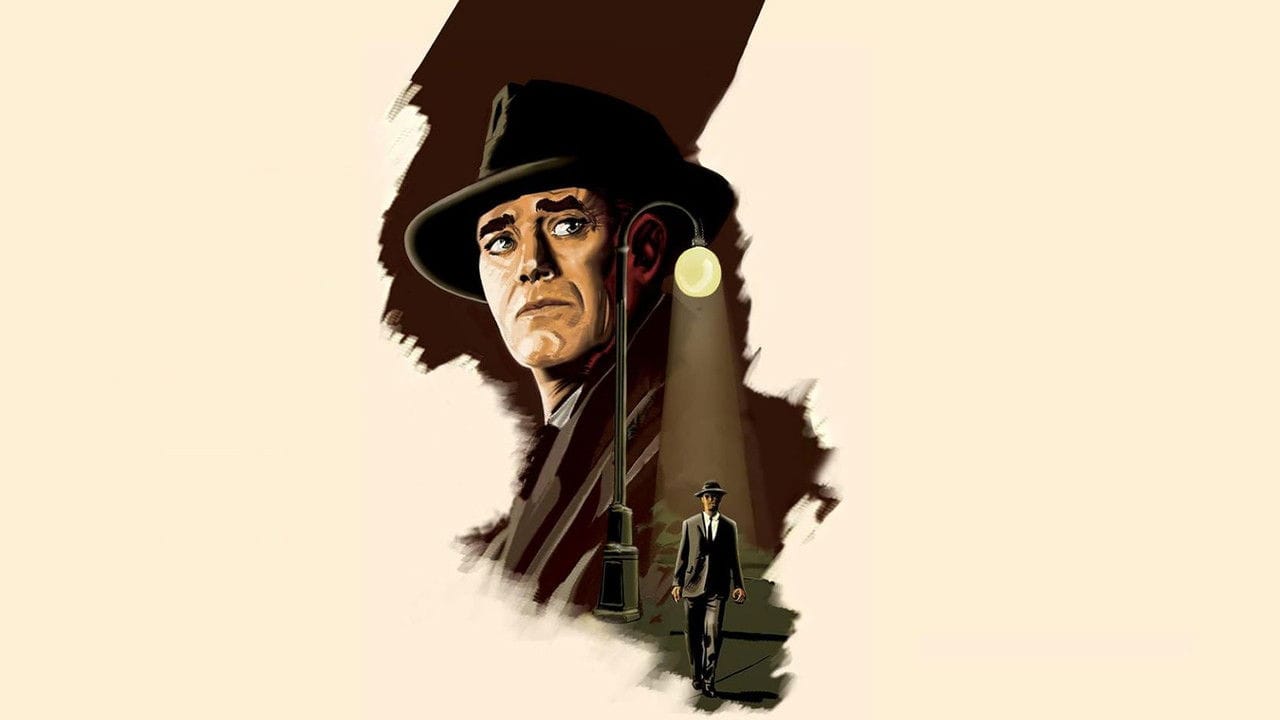
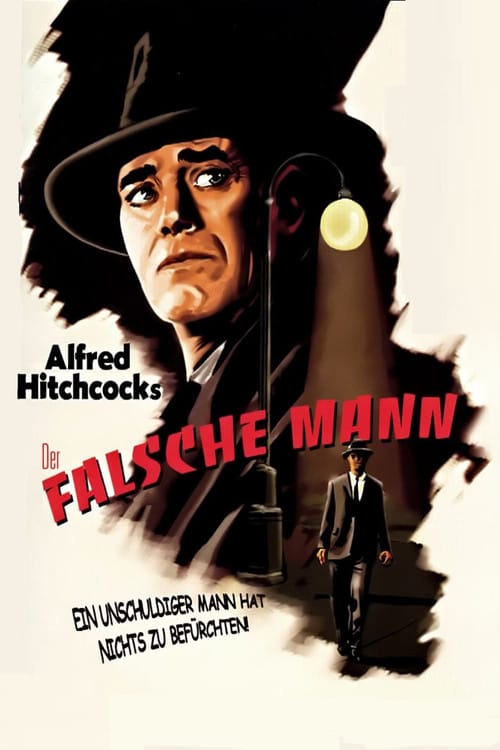
Manny Balestrero ist Musiker im New Yorker „Stork Club“. Er und seine Frau Rose stecken in finanziellen Schwierigkeiten. Doch echte Schwierigkeiten gibt es, als Manny eines Tages verhaftet wird. Zeugen behaupten, dass er zahlreiche Überfälle begangen haben soll. Alle Indizien sprechen gegen ihn. Seine Frau bringt Geld für die Kaution auf und Balestro versucht verzweifelt, Zeugen für ein Alibi aufzutreiben. Aber von den drei Männern, mit denen er zur Tatzeit Karten gespielt hat, sind zwei tot – und der dritte ist unauffindbar. Die Situation wird gefährlich für Balestro …
Hauptdarsteller



Mehr wie das
Asphalt-Dschungel
1950·7.5
Catch Me If You Can
2002·8.0
Wenig Chancen für morgen
1959·6.8
Mein Leben ist der Rhythmus
1958·6.4

Winged Creatures
2009·5.9
Die wahren Bosse - Ein teuflisches Imperium
1991·6.3
Die Nacht des Jägers
1955·7.9
Heist - Der letzte Coup
2001·6.3
Kilometerstein 375
1958·6.1
Geheimring 99
1955·7.0
Die Outsider
1983·7.2
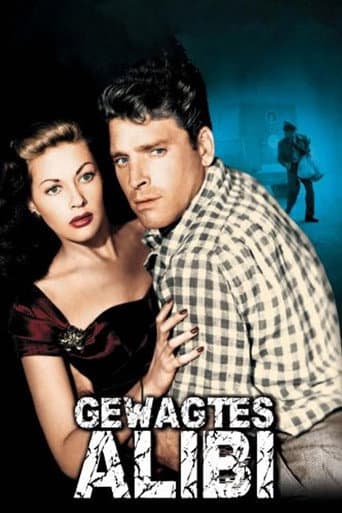
Gewagtes Alibi
1949·7.1
Communauté
7.1
Note Trakt
747 votes
10
52
9
61
8
184
7
246
6
124
5
46
4
17
3
5
2
6
1
6
1.9KSpectateurs
61.1KCollectés
2.6KListes
Avis de la communauté (4)
B
buddhalou★6/10Jan 28, 2019
Fan of Hitchcock and a fan of Fonda, but for me, this might be the most overrated film in Hitchcock's oeuvre. I felt no investment in any of the characters, including Fonda's, who spent the entirety of the film with a look of incredulity on his face and no tangible character arc. Cinematography was substandard for a Hitchcock film of this era. Pacing was dreadful. Perhaps worst of all, it strains the limits of willing suspension of disbelief despite being based on a 'true' story.
♥2
S
soonertboneVIP★4/10Jun 24, 2024
Plays into common theme for Hitchcock, but honestly all the air is taken out of it by making it a true story, which turns what could have been a suspense picture into a police procedural. Mildly interesting to see a pre-Warren Court glimpse into criminal procedure, but little to recommend it from a film perspective.
D
drqshadowCritique★5/10Dec 28, 2022
Alfred Hitchcock opens this film with a shadowy monologue, reminding viewers that truth is often more terrifying than fiction and offering the following as proof. Mostly culled from a real situation, _The Wrong Man_ is the tale of an innocent working-class father who’s railroaded through the legal wringer as the victim of mistaken eyewitness testimony. There’s a lookalike stickup artist on the loose, and in a day and age where most of the adult male population wears a fedora and trench coat, simply being tall, thin and nervous is sufficient evidence to raise suspicion. Proving his innocence may not be enough, anyway, what with the monetary demands of living paycheck to paycheck and his wife’s ensuing nervous breakdown. Easy to see why such an accusation could be a scary proposition for anyone at or below the median income line, with the famed director doing his best to turn the screws and let us feel the pressure. Hitchcock went out of his way to ground this production in reality, shooting several scenes on-location and even enlisting some of the actual participants to play themselves. It’s an admirable effort, and a fascinatingly intimate look at the gears of the justice system in 1950s New York, but as a drama it falls short. Beyond the suspense of the looming trial, there’s almost nothing here. The accused and his connections are thoroughly whitewashed, ideal citizens without the hint of a doubt, which makes them dull and unremarkable. Their struggle (even the wife’s overnight mental collapse) is a flat, somber trudge, devoid of emotion, which concludes with a dry anticlimax that robs the carefully-orchestrated tension of its release. There are points to be made here, pertinent even today, about the unfair influence of wealth in the system and a detective’s enthusiasm for filling empty holding cells, but those are quickly noted and then brushed aside without further inspection. Instead, we linger on the suspect (ably portrayed by Henry Fonda), his wife (less admirably depicted by Vera Miles) and their glacial pursuit of truth, justice and/or foregone conclusions. The rich noir textures and challenging, dynamic camera angles belong right alongside Hitchcock’s other greats, but the story is a slog and the outcome feels dreadfully tacked-on. No fun at all.
K
KurtMoneyVIP★3/10Mar 27, 2020
This movie is infuriating I am so fucking pissed at the detectives and all these eye witnesses. You can’t convict a guy on fucking witnesses. You can’t. Fine it’s a movie. I’m not even done watching it and I had to comment now to let off some steam about these yahoo detectives. Arghhhh and u couldn’t even let him tell his fuckin wife he was going downtown?!
Kritiken