Laden...
8.0·1949·108 min·日本語·Regie Yasujirō Ozu
Drama
Handlung
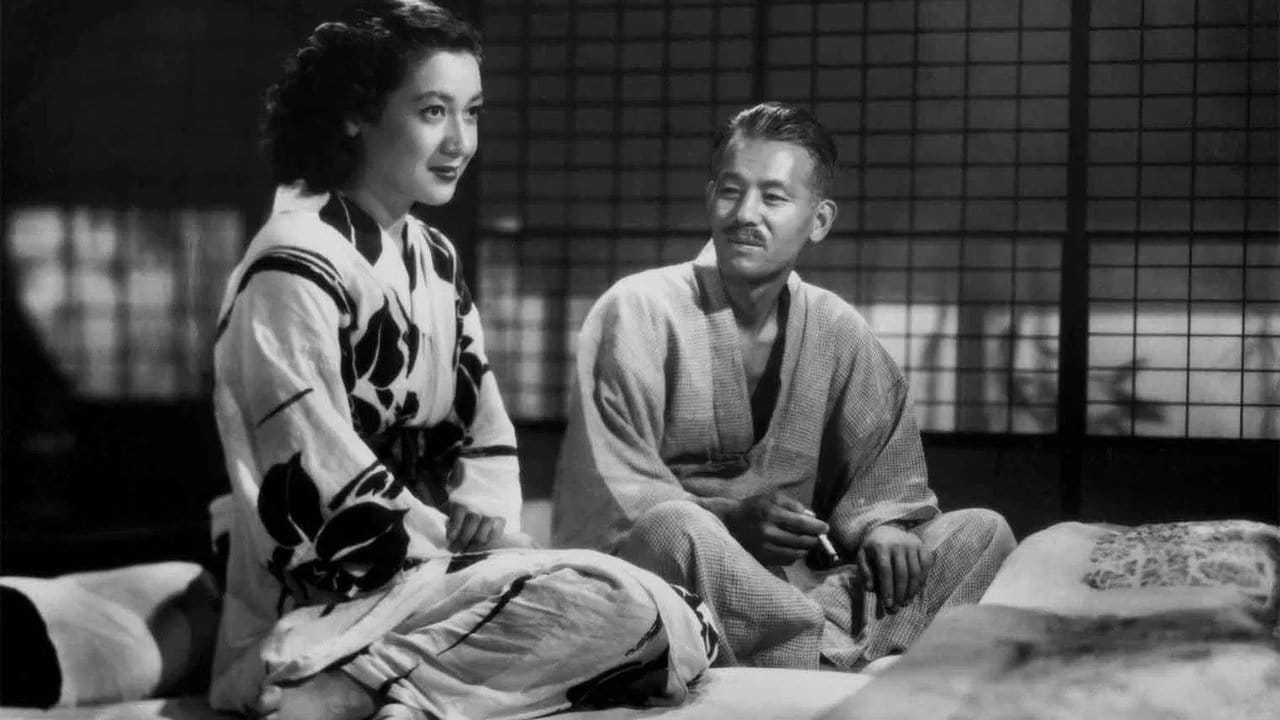
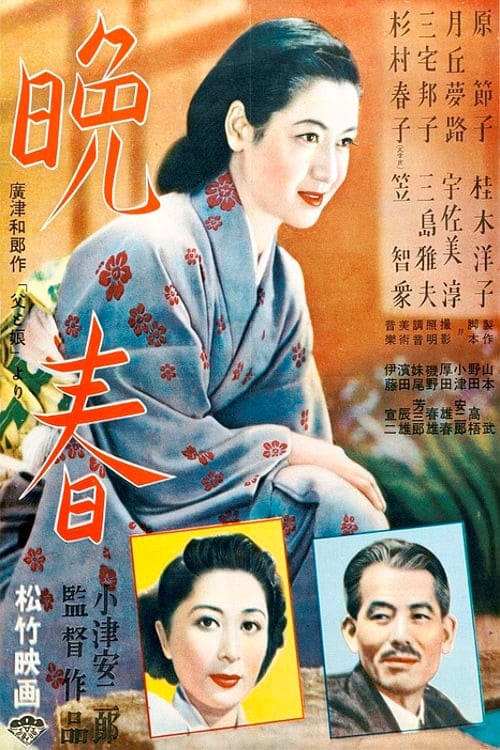
Die 27-jährige Noriko lebt zufrieden mit ihrem verwitweten Vater, um den sie sich seit dem frühen Tod der Mutter mit zärtlicher Fürsorge kümmert. Der Vater sorgt sich um die Zukunft seiner Tochter und versucht sie zur Heirat zu bewegen. Noriko möchte ihren alten Vater aber nicht alleine lassen. Sie willigt erst in eine Ehe ein, als er selbst Anstalten macht, wieder zu heiraten.
Hauptdarsteller

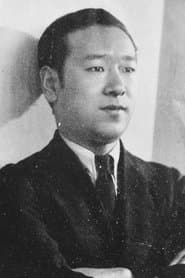
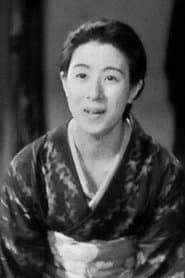

Mehr wie das
Der Geschmack von grünem Tee über Reis
1952·7.5
Ein Herbstnachmittag
1962·7.9
Die Reise nach Tokio
1953·8.2
In This Corner of the World
2016·7.9
Weizenherbst
1951·7.9
Zwischen Himmel und Hölle
1963·8.4
Happy Hour
2015·7.4

Skin - Schrei nach Gerechtigkeit
2009·6.4
Nancy
2018·5.8
Der Mohnblumenberg
2011·7.5
A Man
2022·7.1

The Gift
2015·6.7
Communauté
8.1
Note Trakt
480 votes
10
100
9
85
8
171
7
73
6
27
5
9
4
3
3
3
2
1
1
8
1.1KSpectateurs
65.4KCollectés
3.3KListes
Avis de la communauté (2)
K
KublaiKhanCritique★8/10Oct 7, 2024
In the grand halls of cinema, where stories rise and fall like mighty kingdoms, Late Spring stands tall, a film of quiet grace, much like the bamboo forests that bend but do not break in the wind. It is a tale woven with the delicate threads of duty, tradition, and the bittersweet passage of time. The great Ozu, a master of patience, unfolds this narrative with the precision of a warrior drawing his sword—not for battle, but for the honor of life itself. Noriko, the steadfast daughter, is the heart of this realm, her smile as radiant as the spring itself, yet heavy with unspoken sorrow. She resists the pull of change, like a river yearning to flow backward, but her father—wise and noble—gently guides her forward, as the seasons must turn. The film moves with the stillness of a thousand dawns, unhurried yet inevitable, much like the rise of empires. Each frame is a painting, each silence a symphony, speaking to the beauty in life's simplest moments. Yet, beneath this tranquility, there is a deep melancholy, as the bonds between parent and child are stretched by the demands of time and custom. But even great art has its shadows. For some, the slowness may feel like the encroaching fog upon the horizon, obscuring the brilliance of its story. And yet, for those who sit with it, Late Spring is a treasure—a peaceful oasis in the desert of hurried tales. In my court of cinema, I deem it an 8 out of 10—honorably made, with the wisdom of ages past, a film that stirs the soul like the wind across the steppes, leaving one reflective and still.
♥1
M
Maarten Delfgou★7/10Nov 15, 2021
The original title of the film is Banshun.
Kritiken