Laden...
7.5·2013·142 min·Italiano·Regie Paolo Sorrentino
Drama
Handlung
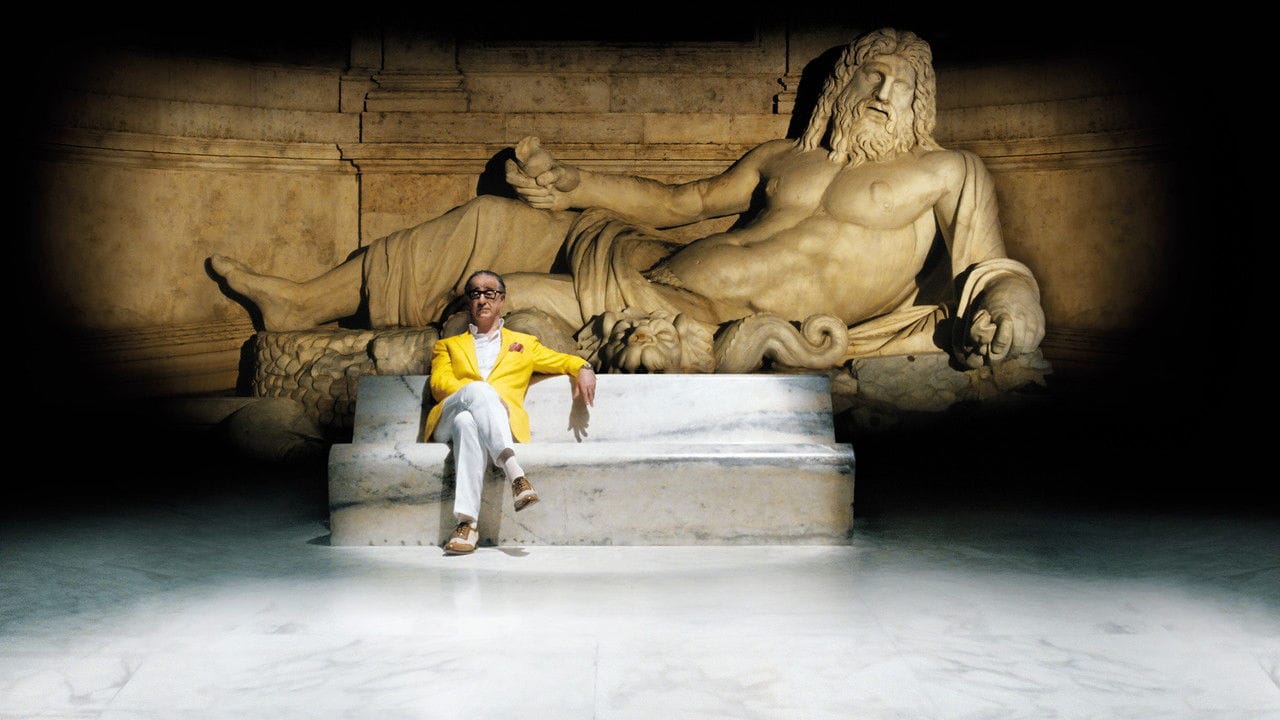
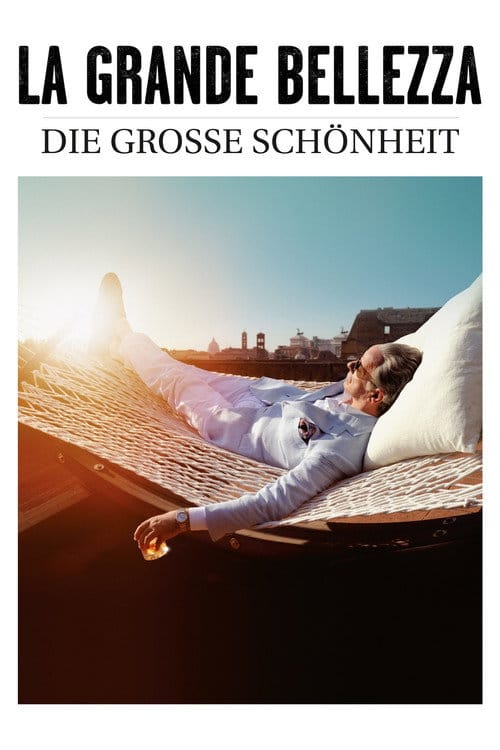
Es ist Sommer. Rom erstrahlt in voller Pracht: schön und verführerisch. Wie Jep Gambardellas Leben - rauschende Feste, Gourmet-Restaurants und schöne Frauen. Doch hinter dem Verführer verbirgt sich ein desillusionierter Mensch, den die Oberflächlichkeit der opulenten Gesellschaft langweilt. Oft denkt er an seine literarische Arbeit, die ihm in seiner Jugend den großen Erfolg für seinen bisher einzigen Roman eingebracht hat. Außerdem schwelgt er in Erinnerungen an seine erste große Liebe. Die Leere, die ihm bleibt, überspielt er mit Zynismus und Gin Tonic. Mit seinem 65. Geburtstag wird ihm eines klar: Alles ist vergänglich. Auch in der ewigen Stadt.
Hauptdarsteller





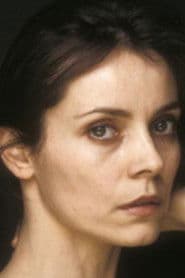
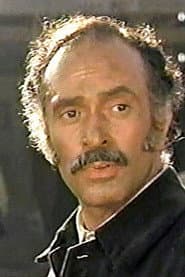
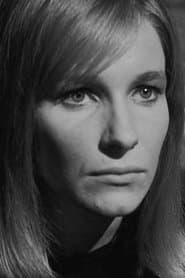
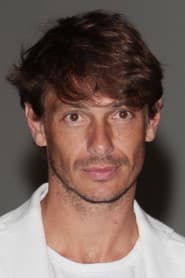
Mehr wie das

Glaubensfrage
2008·7.2
Rom, offene Stadt
1945·8.0
Das Wunder von Fatima
2020·7.2
Die zwei Päpste
2019·7.5
Zwei Wochen in einer anderen Stadt
1962·5.9
Fahrraddiebe
1948·8.2
Almost Famous - Fast berühmt
2000·7.5
Finally Dawn
2024·6.1
Small Body
2022·6.9
Paternal Leave - Drei Tage Meer
2025·6.4
Der Scharlatan
1947·7.2
The Wait
2015·6.2
Communauté
7.6
Note Trakt
2.5K votes
10
460
9
400
8
681
7
409
6
269
5
94
4
78
3
29
2
60
1
40
7.1KSpectateurs
50.8KCollectés
7.5KListes
Avis de la communauté (9)
S
sp1ti★9/10Dec 18, 2013
I was reluctant to see this movie because on paper it looks like an arthouse chore. Luckily it isn't at all. We follow the cynic and self-proclaimed "it-man" of the high-class nightlife in Rome; Jep, through his episodic encounters in the city. Because of the death of his one true love (who married someone else) he starts to reflect on his life and what the Great Beauty in it is (or was). The movie showcases beautiful cinematography, editing and score and has a diverse set of actors. There is also plenty of often subtle humor to be found in the scenes and dialogue making it everything but dry.
♥9
E
ErCinico87VIPSep 10, 2017
Sorrentino può non piacere, ma è possibile che la gran parte del pubblico (sopratutto italiano) non possieda i mezzi culturali per capire un'opera come "La grande bellezza"? "La grande bellezza" è un'esplorazione vivida e brillante del patrimonio nazionale, del concetto di italica beltà, del dolce far niente, degli splendori architettonici e delle vedute più eccitanti, della malinconia del tempo perduto e del potere del cinema risorto davanti ai nostri occhi, dell'eredità di Fellini ben custodita e della moda nazionale.
♥1
B
benoliver999Critique★8/10Oct 16, 2015
A high-flying Roman socialite begins to tire of his lifestyle as he turns 65. Toni Servillo plays Jep, the dapper writer at the centre of the plot. He’s self-involved but self-aware, and so at home in Rome he never leaves. His life seems to bridge the gap between high culture and the grotesque; artists mingle with strippers, criminals mix with nuns. He lives with the burden of a successful early novel, and the unwillingness or inability to write another. Sorrentino places him in various scenarios that loosely hang together but The Great Beauty focuses more on aesthetic than narrative. The camera moves slowly through the city, the parties and the scenery. There’s dialogue but it’s used sparingly, an appropriate choice for a film looking to explore the various facets of beauty. The soundtrack is inspired, it’s almost another character in the film. In fact, Sorrentino’s work on all fronts is masterful; this is easily one of the most beautiful, thoughtfully made films of the last ten years. A true feast for the eyes. However, it’s a less compelling film in terms of structure. This is, unsurprisingly, a somewhat pretentious film. Perhaps a second viewing would reveal more but the first time round it quickly becomes off-putting. It’s heavy going at times, not always a bad thing, but Sorrentino needs to at least make some effort to draw us in. He is frequently compared to Fellini but Fellini’s films do more work to hold the audience captive. Instead we are left entirely to our own devices, making the film a taxing experience. Depending on who’s watching, this can be a complete turn off or a minor gripe but either way it’s difficult to ignore. That said, the gorgeous aesthetics and sound make The Great Beauty a thoroughly worthwhile experience. At worst it’s one of the best looking films you’ll see, at best it could be a profoundly moving experience. For this writer, Sorrentino’s efforts land somewhere in between. http://benoliver999.com/film/2015/10/16/thegreatbeauty/
♥1
N
Natasa AndrejinCritiqueJul 6, 2026
Paolo Sorrentino non è Fellini e non vuole esserlo. I suoi film non seguono schemi fissi, e la sua carriera è ancora giovane, troppo acerba per parlare di un vero e proprio corpus autoriale. Ogni suo film va preso singolarmente. Nomino Fellini perché ho appena visto La grande bellezza, e l’impressione è quella di trovarsi davanti a una Dolce vita aggiornata: una Roma più bizzarra, più disperata, ancora più bella, che ostenta il proprio passato come un fine in sé. Sorrentino filma una città che non vive con i suoi abitanti, ma di loro, nutrendosi come un parassita. Mentre Roma si fa cornice dorata e decadente, sfila una fauna umana che vive senza giustificazioni e pretende attenzione. Solo pochi personaggi sembrano sottrarsi a questa farsa, e la macchina da presa li sfiora appena, lasciandoci con un senso sottile di disagio. Così vive anche Jep Gambardella: ex scrittore, cinico mondano, spettatore distaccato della decadenza altrui. Nulla lo smuove, se non una notizia inaspettata che lo costringe, finalmente, a sentire qualcosa. Da lì comincia un ritorno a se stesso, un percorso interiore difficile, profondo, doloroso. La bellezza del film va oltre l’estetica. Dietro le immagini curate e la giostra di personaggi c’è una riflessione malinconica sulla fede, sull’identità, sul vuoto. Una critica alla pompa religiosa, ma anche ammirazione per chi si dedica al senso del divino con coerenza. La grande bellezza è un film archeologico: si scava nel tempo e nell’anima. La verità non si trova, si vive. E forse, alla fine, diventa solo materiale per un nuovo romanzo.
A
amirghadir★8/10Jun 26, 2026
While watching, you enjoy the elegant visuals and atmosphere, accompanied by a perfectly matched soundtrack. After it ends, you can hardly forget the feelings it evoked.
Kritiken