Laden...
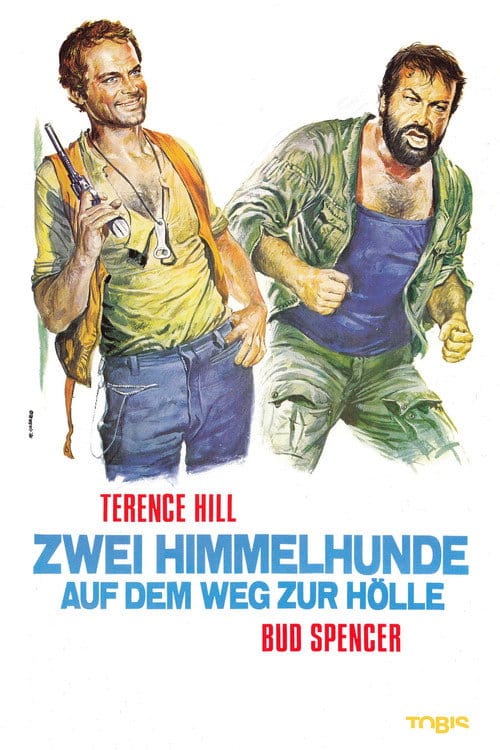
6.8·1972·106 min·Italiano·Regie Giuseppe Colizzi
AbenteuerActionKomödie
Handlung
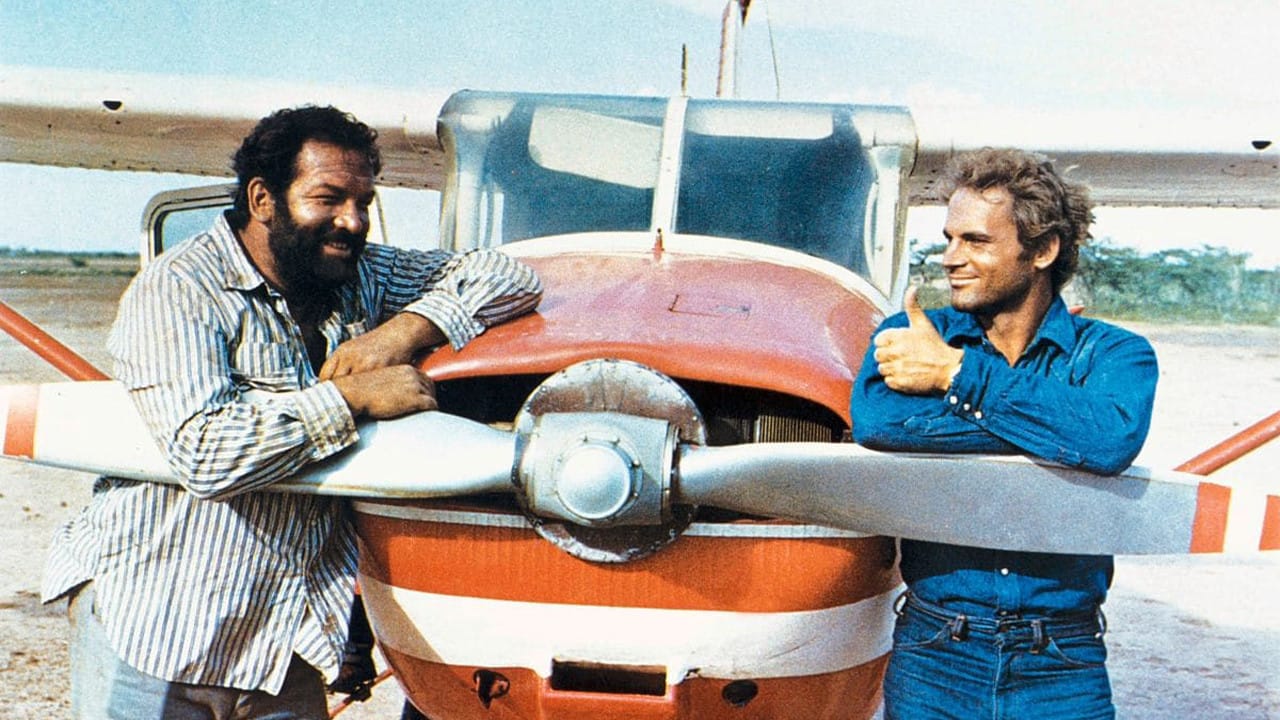
Die zwei Tagediebe Plata und Salud versuchen sich als professionelle Bruchpiloten. Für die Hälfte der Versicherungssumme täuschen sie Flugzeugabstürze im undurchdringlichen Dschungel Südamerikas vor. Doch der nächste Auftrag verläuft alles andere als geplant: Die Maschine schmiert über einer Kolonie von Diamantenschürfern ab, die von dem skrupellosen Mr. Ears ausgebeutet werden. Er diktiert die Diamantenpreise, besitzt die einzige Kantine und das einzige Flugzeug. Er hat alle in der Hand ... alle, bis auf Salud und Plata. Die beiden Haudegen sagen ihm und seinen Schergen mit schwingenden Fäusten den Kampf an.
Hauptdarsteller





Mehr wie das
Zwei Asse trumpfen auf
1981·6.9
Planes
2013·5.9
Rio 2 - Dschungelfieber
2014·6.5

Buen Camino
2025·6.3
Zwei Missionare
1974·6.5

Planes 2 - Immer im Einsatz
2014·6.2
Zambezia - In jedem steckt ein kleiner Held!
2012·6.2

Arctic Justice: Thunder Squad
2019·6.0

Double Threat
2023·6.5
Familie Willoughby
2020·7.0
Hot Shots! - Die Mutter aller Filme
1991·6.6

Ice Age - Die Abenteuer von Buck Wild
2022·6.6
Communauté
7.1
Note Trakt
366 votes
10
53
9
26
8
67
7
85
6
95
5
18
4
9
3
5
2
1
1
6
1.7KSpectateurs
40.6KCollectés
585Listes
Avis de la communauté (2)
M
m0j01812VIPCritiqueDec 22, 2025
**“All the Way, Boys!” (1972)** — or, in wonderfully overcooked German, **“Zwei Himmelhunde auf dem Weg zur Hölle”** — is the kind of Bud Spencer & Terence Hill movie that doesn’t stroll into the room. It barrels in, knocks over a chair, steals your snack, and then flashes a grin so disarming you half-forgive it before the next pratfall lands. This is an adventure-comedy built on the oldest, most reliable engine in their filmography: two mismatched forces of nature, one sly and quicksilver, the other granite-heavy and unbothered, colliding with bad guys until the world starts making sense again—through fists, jokes, and sheer stubborn charm. The setup is cheerfully shameless. Salud (Bud Spencer) and Plata (Terence Hill) are bush pilots scraping by in South America, and their side hustle involves staging plane crashes for insurance money. Yes, that’s the “hero” baseline: fraud with propellers. The film knows it, too. It plays the scheme with a wink rather than a lecture, setting up the duo as lovable lowlifes whose moral compass is less “north” and more “wherever the next meal is.” Naturally, the con goes wrong, the crash becomes real, and the movie tosses them into the jungle as punishment and playground at the same time. From that point onward, the plot does what it was born to do: it becomes a loose clothesline for set pieces. There’s an emerald mining operation, a villain who radiates cartoon cruelty, and a local community being squeezed hard enough to make the moral stakes visible even from the cheap seats. But nobody should pretend the story is the main course. The narrative is functional. It gets the duo from scam to survival to showdown, and if the joints creak, the film mostly distracts you by throwing another gag or brawl at your face. And here’s the catch: **the pacing isn’t always as slick as the charisma.** “All the Way, Boys!” can feel a bit long in the middle, like the movie is taxiing down the runway while you’re already craving altitude. The connective scenes sometimes drag, and the adventure beats aren’t always as sharply shaped as the duo’s best work. When it’s on, it’s breezy and confident; when it’s not, it’s the cinematic equivalent of waiting for someone to finish telling a joke they started five minutes ago—knowing the punchline will probably be worth it, but also knowing they could have gotten there sooner. The reason patience pays off is the chemistry. Terence Hill brings that playful, foxlike energy—smirking, improvisational, always looking for a shortcut that annoys everyone else. Bud Spencer is the anchor: massive, calm, and deadly in the most comedic way possible, like a refrigerator that learned how to throw hands. Together they operate like a well-worn rhythm section. Even when the plot wobbles, the duo keeps the film upright by sheer gravitational pull. Their banter doesn’t need to be sophisticated; it needs to feel alive, and it does. The action-comedy is vintage Spencer/Hill: scuffles staged with clarity and bounce, more about choreography and humiliation than brutality. It’s not gritty violence; it’s slapstick with knuckles. The fights function like punctuation marks—periods and exclamation points in a language the film speaks fluently. Nobody walks away with trauma, just bruised egos and dented pride, which is exactly the tone this kind of movie lives on. A quiet MVP here is the music: bright, catchy, and relentlessly upbeat, the kind of soundtrack that makes even slow stretches feel lighter, as if the film is whistling at itself to keep moving. It’s the sonic equivalent of a grin—sometimes doing more work than the script in maintaining momentum. As for the overall impression: **this isn’t the duo’s sharpest or tightest entry**, but it’s far from disposable. It has the familiar warmth, the knockabout charm, and the comforting certainty that the bad guys will eventually meet the business end of comic justice. It’s a slightly ramshackle ride—part jungle adventure, part con-man farce, part anti-exploitation morality tale—held together by two stars who could make a grocery list entertaining if you let them argue over it. In short, **“Zwei Himmelhunde auf dem Weg zur Hölle”** is a movie that occasionally lumbers, occasionally meanders, and then suddenly snaps back into rhythm like it remembered why it exists: to deliver a big-hearted, bruising, mischievous good time. Not a masterpiece—more like a sturdy old plane that rattles on takeoff but somehow keeps landing with a smile.
A
AlexanderZ★7/10Dec 28, 2016
Classic Spencer & Hill, in their first movie together not set in the west. Has all of the Spencer & Hill trademarks: non-cheesy good sentiments with cynical characters turning into heroes in the end, fist fights, totally evil bad guys.
Kritiken