Laden...
7.7·1988·128 min·English·Regie Alan Parker
DramaKrimiMysteryThriller
Handlung
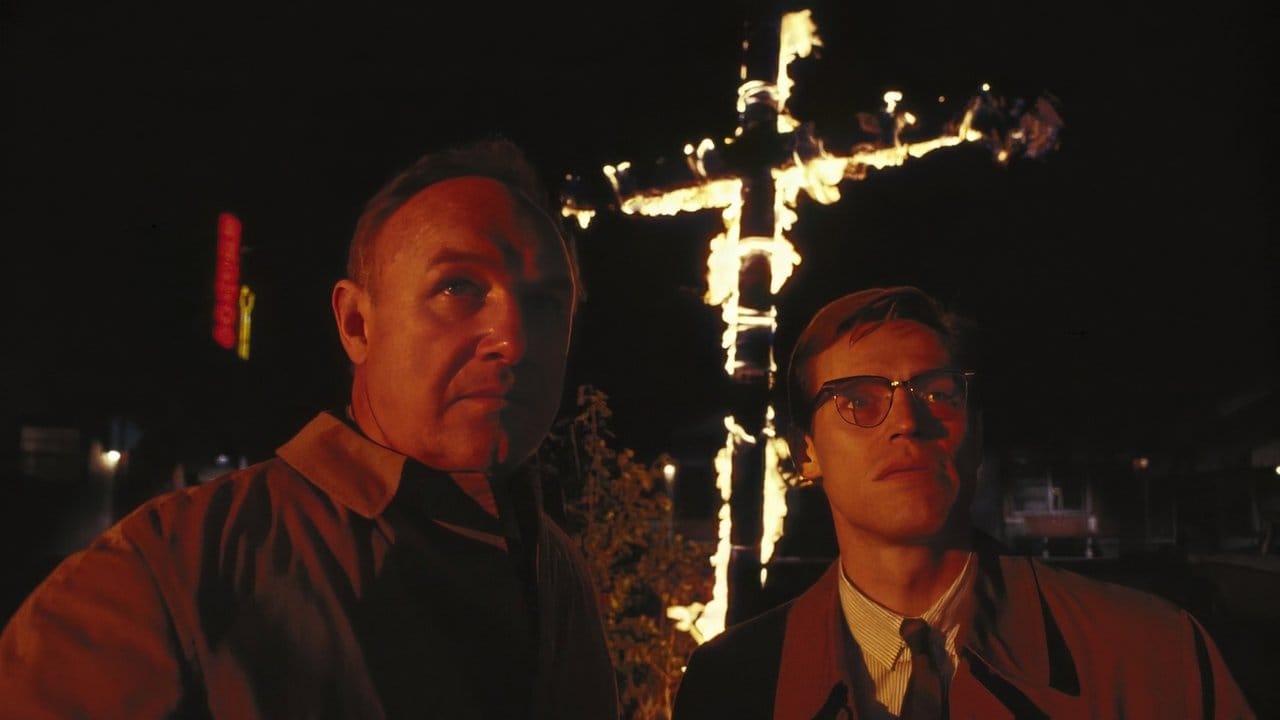
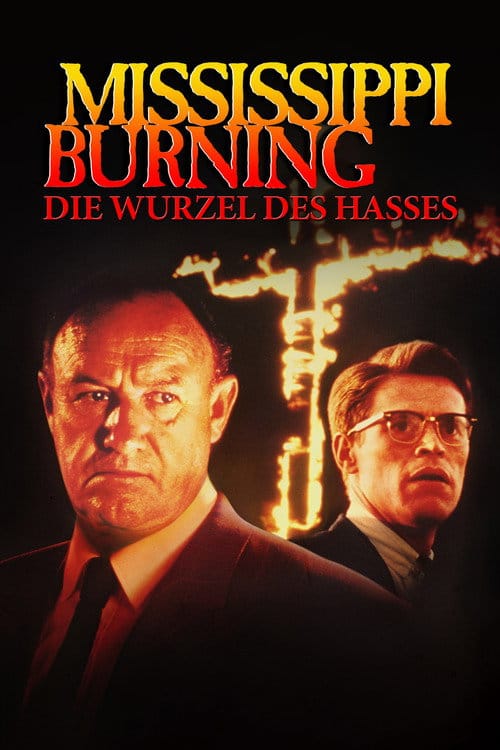
Im südlichen US-Bundesstaat Mississippi werden 1964 drei junge Männer, ein schwarzer und zwei weiße Bürgerrechtler von einem Wagen mit Blaulicht in einer abgelegenen Straße angehalten. Nachdem sich die drei wüste, rassistische Beschimpfungen anhören müssen, werden sie erschossen. Zur Aufklärung des Falls werden der idealistische Nordstaatler Alan Ward und der erfahrene ehemalige Südstaaten-Sheriff Rupert Anderson als FBI-Ermittler nach Jessup County geschickt. Dort haben die FBI-Agenten keine leichte Aufgabe vor sich, sind die offen rassistischen Einwohner doch wenig hilfreich bei der Aufklärung des Verbrechens. Als den Agenten klar wird, dass die drei ermodert wurden, fordert Ward einen großen Trupp FBI-Agenten und sogar das Militär an, um zu helfen. Unterdessen kommt Anderson der Frau des Hilfssheriff, Mrs. Pell näher.
Hauptdarsteller






Mehr wie das
Communauté
7.8
Note Trakt
2.9K votes
10
364
9
339
8
1.1K
7
707
6
227
5
49
4
16
3
5
2
12
1
20
9.6KSpectateurs
96.3KCollectés
6.5KListes
Avis de la communauté (11)
B
BB m be êlZillah★9/10Mar 28, 2018
Excellent movie about an issue that 50 years later still needs to be talked about and rectified.
♥10
J
jullianaamorim★7/10Sep 21, 2020
Another white film about black people. There's not much to expect other than that.
♥4
S
Spiritualized Kaos★9/10Jul 6, 2022
Outstanding film about a real case of KKK racism.
♥2
D
decatur555VIPCritique★8/10Apr 11, 2025
Mississippi Burning is one of those films that gets under your skin—not just because of what it tells, but because of how it tells it. From the very start, it makes it clear it's not going to sugarcoat anything: systemic racism, ever-present violence, the silent complicity of an entire town. At times, it feels more like a punch in the gut than a film—and that’s the best thing about it. Willem Dafoe is fantastic, restrained and committed, while Gene Hackman goes a bit more over the top, but works well as a counterbalance. They’re the classic mismatched pair forced to work together, but the real main character is the setting: that deep, rotten South, full of hate and fear, where the most dangerous people aren’t the criminals—but those who protect them. The film moves at a tense, uneasy pace, with a visual style that mixes thriller elements with a raw, almost documentary feel. Alan Parker makes sure every scene weighs on you. Sometimes it's predictable, sometimes it simplifies things into a clear-cut battle between good and evil—but honestly, that doesn’t matter. Because what it communicates—that quiet, simmering anger, the feeling that justice always arrives late and half-hearted—is still painfully relevant. You can criticize it for not being fully faithful to the facts, or for centering the white perspective too much, but the truth is, it makes your blood boil. And for a film that’s over thirty years old, that’s a huge achievement. Don't watch it as a history lesson. Watch it as a scream. As a reminder that even if the methods have changed, the root of the problem is still here. And judging by what some people are voting for—now more than ever.
♥1
M
miguelreina★7/10Mar 3, 2025
Among the performances that marked Gene Hackman's career, this is one of the most memorable. After all these years, the degree of violence depicted throughout the film is surprising, in which the whites are the monsters, but they are also the saviors, so that it adopts a perspective that may be debatable from today's perspective. But above all, it offers a powerful portrait of the North American territories that feel separated and separatist, that don't recognize the central government or its representatives and that feel comfortable in their their supremacist solitude.
♥1
reviews