Laden...
5.8·2007·104 min·Français·Regie Pascal Thomas
Thriller
Handlung
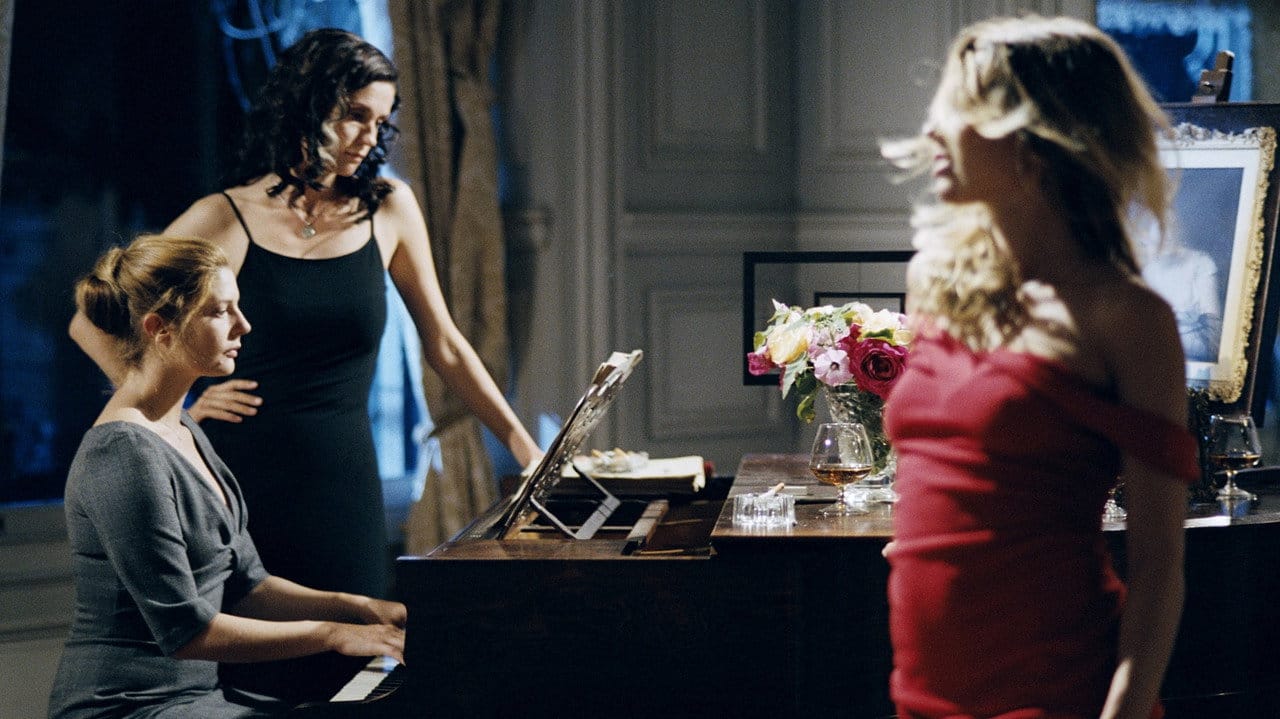
Guillaume Neuville kommt eine sehr seltsame Idee: Um ihnen zu helfen, sich wieder näherzukommen, lädt er seine besonders temperamentvolle Ehefrau Caroline und seine Ex-Frau Aude zu seiner steinreichen Tante Camilla Tressilian ein. Als ihre Gastgeberin am frühen Morgen ermordet aufgefunden wird, geraten alle unter Verdacht.
Hauptdarsteller









Mehr wie das









Communauté
6.3
Note Trakt
23 votes
10
1
9
8
4
7
7
6
5
5
2
4
2
3
1
2
1
1
66Spectateurs
216Collectés
76Listes
Avis de la communauté (1)
S
senbaldorVIPCritique★7/10Jun 7, 2026
# Reception and Legacy - Critical Response - Praised for its witty script and stylish French adaptation of classic British literature - Context - Part of Pascal Thomas's successful cycle of Christie adaptations # Themes and Symbolism - The 'Zero Point' - The moment of culmination for a long-planned crime - Duality - The facade of bourgeois respectability vs. inner malice - Innocence vs. Guilt - The subversion of expectations in criminal culpability # Cinematography and Aesthetic - Visual Style - Bright, airy French coastal cinematography juxtaposing dark themes - Composition - Emphasis on group dynamics and claustrophobic social spaces # Narrative Structure - Core Conflict - The convergence of psychological tension and premeditated homicide - Style - Non-linear character introductions leading to a 'zero point' convergence - Setting - Isolated, elegant coastal mansion # Character Analysis - Guillaume Neuville - The charismatic but manipulative center - Camille - The complex former wife creating social friction - Audrey - The catalyst for jealousy and conflict # Summary Insights - The film masterfully adapts Christie’s structural innovation where the murder is not the beginning, but the conclusion of a long-gestating psychological process. - Pascal Thomas translates the traditional English 'whodunnit' into a distinct French aesthetic, favoring social nuance over bleak noir tropes. - The 'Zero Point' concept serves as a metaphor for fatalism, suggesting that human actions are often trajectories destined to collide regardless of intervention. - The contrast between the idyllic, sunny coastal setting and the cold-blooded nature of the crime highlights the banality of evil within the upper class.
Kritiken