Laden...

7.7·1965·174 min·English·Regie Robert Wise
DramaFamilieMusikLiebesfilm
Handlung
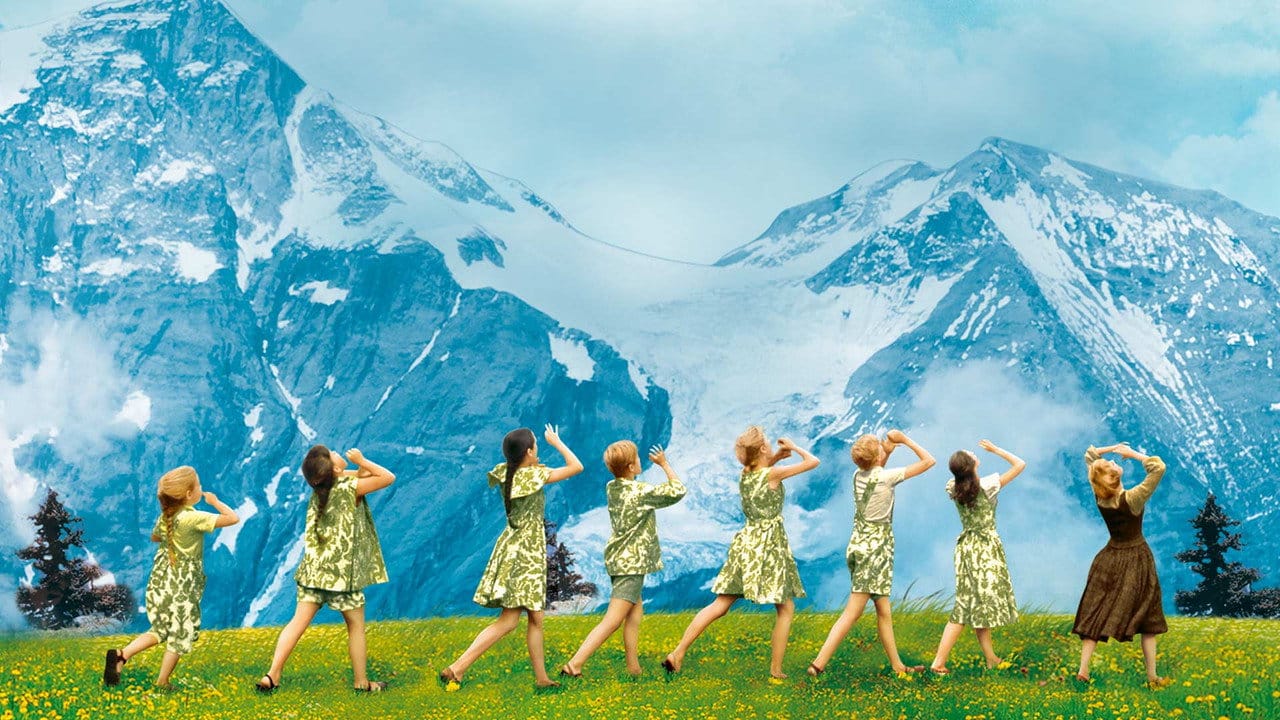
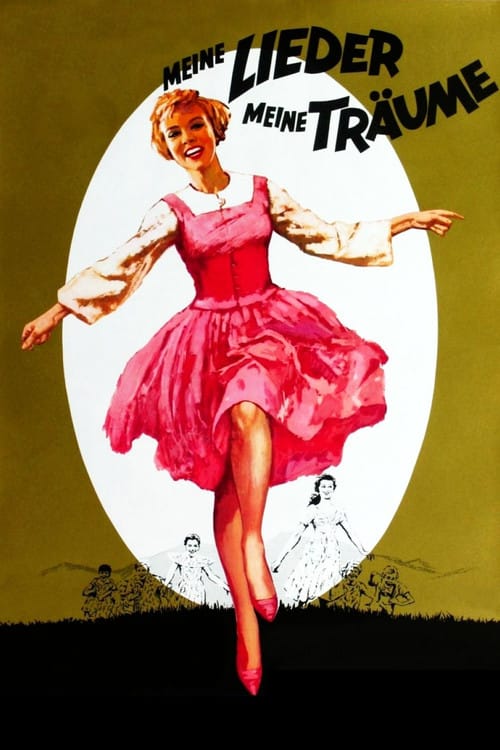
Die lebensfrohe Maria versucht ein Leben als Nonne in einem Kloster zu führen. Die Oberschwester erkennt allerdings ihr wahres Wesen und schickt sie als Erzieherin zu dem verwitweten Kapitän Georg von Trapp, um für seine sieben Kinder zu sorgen. Nach anfänglichen Schwierigkeiten schließt sie in die Kinder in ihr Herz und auch die Kinder sind von ihrer positiven Lebensauffassung begeistert. Als sich auch noch zwischen Maria und Georg von Trapp langsam echte Gefühle entwickeln, wird dies für Maria zu einem Problem, da Georg mit einer Baronin verlobt ist. Hinzu kommt noch, dass Georg ein strenger Gegner der Nazis ist und Österreich kurz vor der Annektierung steht.
Hauptdarsteller









Mehr wie das


Communauté
8.1
Note Trakt
6.7K votes
10
1.9K
9
790
8
2.0K
7
1.0K
6
542
5
179
4
80
3
48
2
41
1
66
33.5KSpectateurs
121.5KCollectés
17.2KListes
Avis de la communauté (10)
E
Earthsconflict★10/10Feb 6, 2021
Re-watching this amazing Movie..The Sound of Music on hearing of the passing away of Christopher Plummer just today,so heartbreaking.. R.I.P Captain Von Trapp 💔💔💔😭😭
♥3
K
kennybyoung★8/10Oct 7, 2014
One of the most inspirational movies ever made. Really good classic.
♥2
F
fasterfilmcritic★8/10Jun 1, 2026
The Sound of Music is one of those rare classics that remains genuinely entertaining decades later. The songs are memorable, the performances are charming, and the story is uplifting. The beautiful cinematography and iconic musical numbers are massive, yet the film never loses sight of the characters at its center. It is easy to understand why this movie has resonated with audiences for generations.
♥1
H
heyflpCritique★10/10Sep 25, 2025
“The Sound of Music” carries an almost mythical aura in the collective memory of cinema, and watching it today for the very first time, sixty years after its original release, on the big screen, makes both its grandeur and its timelessness impossible to ignore. Adapted from the Broadway musical, Robert Wise’s film manages to be, all at once, a technical spectacle, a work of narrative sensitivity, and a cultural portrait of an era that knew how to merge popular entertainment with artistic refinement. It’s no exaggeration to say that every element of this production was carefully crafted to charm and move the audience, and the result still works flawlessly. Technically, the movie is stunningly beautiful. Ted D. McCord’s cinematography turns the Austrian landscapes into a living postcard, masterfully framing the mountains, valleys, and local architecture to set the story in a space that feels almost magical, yet still grounded. The widescreen format is essential to this sense of grandeur: the camera follows Julie Andrews running across the fields as if embracing the very landscape, amplifying the impact of the opening, one of the most iconic in cinema history. Likewise, the editing never rushes, giving each musical number the space it needs to breathe without ever dragging. The music, of course, is the soul of “The Sound of Music.” Richard Rodgers and Oscar Hammerstein II wrote songs that go far beyond simple entertainment: they develop characters and express emotions that dialogue alone could never convey. “Do-Re-Mi” is practically a masterclass in rhythm and dramatic progression, turning repressed children into free and joyful voices; “Edelweiss” captures both resistance and love for one’s homeland, in one of the film’s most touching moments; while “My Favorite Things” and “Climb Ev’ry Mountain” serve as anthems of hope and resilience. Each number is seamlessly woven into the narrative, never feeling forced or artificial. The cast makes this cohesion even stronger. Julie Andrews is in absolute top form, bringing us a Maria who is energetic, innocent, rebellious, and endlessly charming. She balances a childlike warmth with an inner strength that turns her into an agent of change, for the children and for Captain Von Trapp alike. Christopher Plummer, meanwhile, plays the Captain with a rigid, almost impenetrable exterior that gradually crumbles as love and tenderness return to his life. The chemistry between the two is undeniable, but the film never loses sight of the fact that the real heart of the story lies in the family bond, with the transformation of the children being the emotional core. Narratively, “The Sound of Music” balances lightness and tension beautifully. On one hand, it’s a musical full of warmth, humor, and playfulness, but on the other, it carries the shadow of the Nazi rise in the background, giving the story both historical weight and urgency. That duality is what makes it so rich: while we get swept up in the gazebo dance in “Sixteen Going on Seventeen” or the joy of the wedding sequence, we never forget that a looming threat is drawing closer. Robert Wise handles these tonal shifts with elegance, stitching together joy and dread into a single emotional fabric. Watching “The Sound of Music” today feels like proof that cinema can transcend its own era, keeping its emotional power alive across generations. Walking out of the theater, you’re left with the feeling of having received a rare gift: a film that doesn’t just entertain, but also warms, inspires, and deeply moves. It’s a classic that doesn’t age, because its message of hope, courage, and love is universal. And seeing it for the first time, on the big screen, sixty years after its premiere, is like finally meeting an old friend you’ve always heard about, but whose greatness only truly reveals itself in person.
♥1
A
AlfieSGDVIP★8/10Nov 21, 2024
In many ways, “The Sound of Music” is exactly what you would expect from a Hollywood musical of the 1960s. Above all, the songs have that very particular sound. But the movie is also more than that because Julie Andrews and Christopher Plummer have great chemistry, and the interplay between Andrews and the kids also works. However, the movie is too long. You could argue that it could end with the wedding, and it would still be a well-rounded story. But in that case, it would probably also be too cheesy overall. After all, everything that happens after the wedding gives the movie that special edge. Without dealing with the “Anschluss” of Austria to Nazi Germany, it would be somewhat irrelevant, although the break in tone in the last act is quite jarring. When all is said and done, "The Sound of Music" has stood the test of time. So, if you haven't seen it yet, you should definitely catch up.
♥1
Kritiken