Laden...
7.7·2025·107 min·English·Regie Tyler Perry
ThrillerDramaKrimi
Handlung
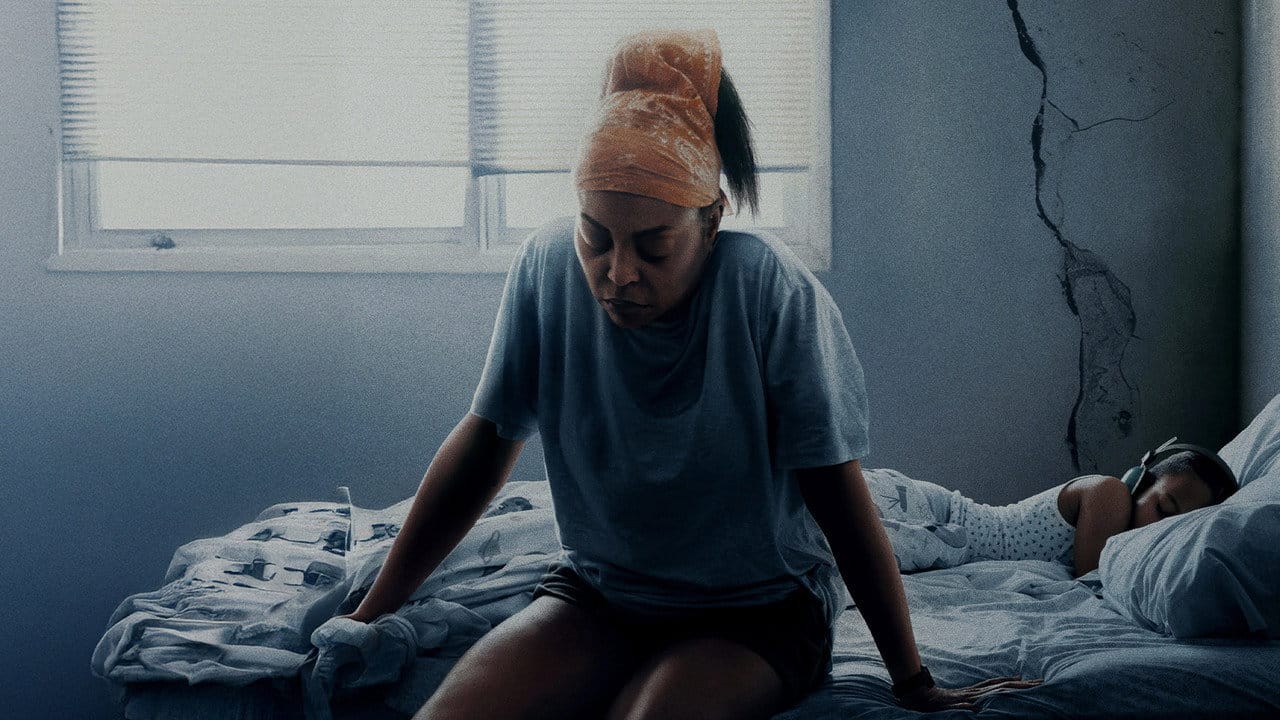
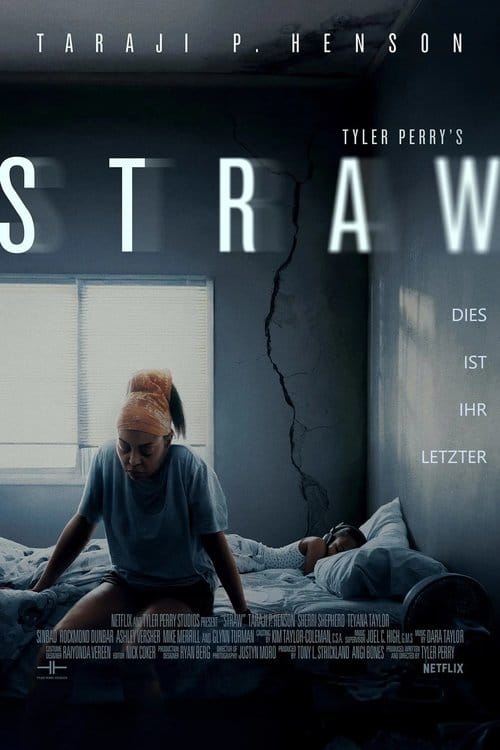
Ein erschütternd schlechter Tag treibt eine hart arbeitende, alleinerziehende Mutter an den Rand ihrer Kräfte – und zu einer schockierenden Verzweiflungstat.
Hauptdarsteller









Mehr wie das








Communauté
7.7
Note Trakt
4.4K votes
10
1.4K
9
242
8
790
7
774
6
557
5
240
4
139
3
71
2
70
1
48
20.0KSpectateurs
21.9KCollectés
4.3KListes
Avis de la communauté (11)
K
kylereddoch★10/10Jun 9, 2025
To bad to can only rate a 10. This is an easy 100! So many deep messages in this movie that a lot of people go through and a lot of people don’t see. The emotional tension is so real. I won’t ruin it for you but make sure to have tissue by your side.
♥10
J
joy.perryVIP★8/10Jun 6, 2025
Really good! And you won’t see that ending coming…
♥7
C
cdzo72VIP★3/10Jun 9, 2025
♥5
E
EvilWithaSmile★8/10Jun 7, 2025
This film wow I was in tears. In allot aways relatable to me and Im sure many other woman round the world too atm. Great film
♥3
H
heyflpCritique★7/10Aug 2, 2025
Tyler Perry is one of those directors who tends to split audiences, but with “Straw,” he delivers a film that, while still slipping into some of the over-the-top habits we’ve seen in his other work, carries a raw emotional and social punch that’s hard to ignore. The story follows Janiyah (played with fierce intensity by Taraji P. Henson), a single mom whose day goes from bad to nightmarish, spiraling into a tragic misunderstanding that paints her, in the eyes of the media and the police, as an armed criminal about to commit a violent act. From the start, the script moves at a frantic, suffocating pace, throwing Janiyah into a storm of disasters that could’ve come off as far-fetched, if they weren’t so deeply rooted in the social commentary the film wants to make: the quiet collapse of an ordinary woman up against a system that’s never been on her side. Visually, “Straw” is one of Perry’s most polished films to date. Justyn Moro’s cinematography ditches the artificial gloss that drags down a lot of Perry’s earlier work, opting instead for a bleak, oppressive color palette that heightens the claustrophobia and sense of hopelessness. Nick Coker’s editing also keeps things tight and tense, even when the script stumbles into some unnecessary twists. It’s clear that Perry still struggles with reigning in his narrative impulses, there are some jarring plot twists, flat secondary characters, and dialogue that hammers its message a little too hard. But these flaws are softened by the sheer force of Henson’s performance. She carries the movie with a raw, gut-punch intensity, flipping seamlessly between despair, rage, and vulnerability with devastating authenticity. There’s something powerful about how “Straw” manages to turn melodrama into a form of protest. Janiyah’s journey may be over-the-top at times, but it hits hard because it reflects a reality that countless poor Black women in the U.S. face every day. The film isn’t going for realism in the strictest sense, it’s more interested in painting a heightened, even theatrical portrait of what it feels like to be judged, dismissed, and discarded by a society that demands endless resilience from people already carrying way too much. And in that way, the movie’s strongest moments aren’t necessarily the final twists or the high-stakes standoff, but the quieter ones where Janiyah’s rage and exhaustion are allowed to take center stage. “Straw” may not be a perfectly balanced drama, but it’s a film that’s got something to say, and it says it with the urgency and messiness of a scream. Its power lies in the discomfort it creates and the questions it raises about how and why a woman gets framed as a threat when all she’s looking for is a shred of dignity. It’s flawed, no doubt, but also necessary in its fury and painfully effective in the way it holds up a mirror to an America that still demands heroic survival from its most marginalized citizens.
♥2
Kritiken