Laden...
7.3·2025·39 min·English·Regie Brent Renaud
Dokumentarfilm
Hauptdarsteller
Mehr wie das
20 Tage in Mariupol
2023·8.1
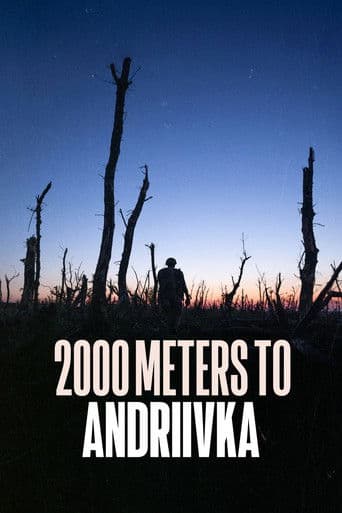
2000 Meter bis Andriiwka
2025·7.9
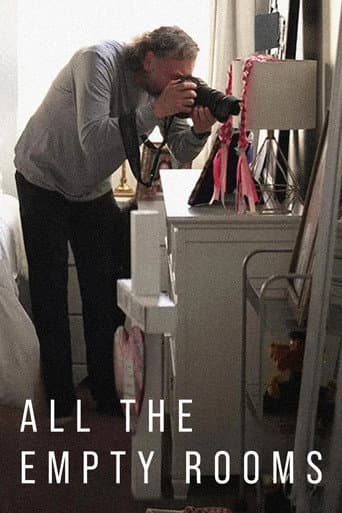
All die leeren Zimmer
2025·7.3
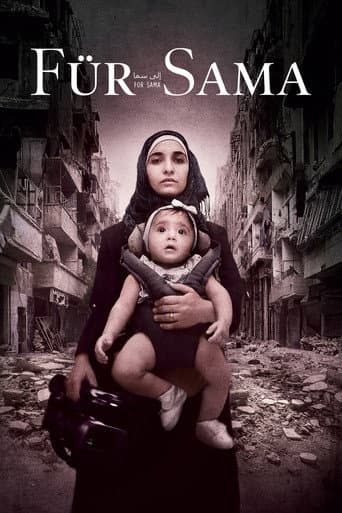
Für Sama
2019·8.3
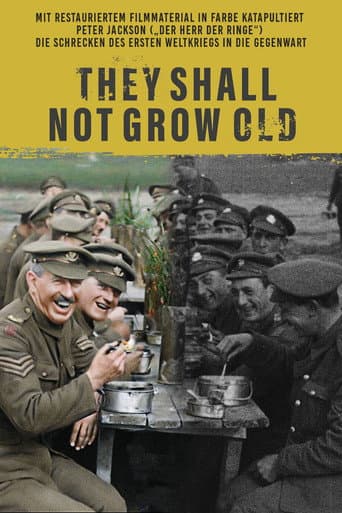
They Shall Not Grow Old
2018·7.8
Vampir Cuadecuc
1972·6.2
Sherman's March
1986·6.5
The Matrix Recalibrated
2004·6.9
Bitter Lake
2015·7.6
Earthlings
2005·8.1
Cover-Up
2025·7.1
In the Realms of the Unreal
2004·7.2
Communauté
7.3
Note Trakt
218 votes
10
27
9
13
8
60
7
55
6
37
5
9
4
13
3
2
2
2
1
627Spectateurs
5.9KCollectés
367Listes
Avis de la communauté (4)
A
AlfieSGDVIP★6/10Feb 8, 2026
The death of American journalist Brent Renaud while reporting on the war in Ukraine is an event that was widely covered in the media. The short documentary “Armed Only with a Camera: The Life and Death of Brent Renaud” serves to provide some context for Renaud's life and death, which it certainly achieves. But the selection of clips is too chaotic to really make for a focused film. I also think that the short format is not the best way to tackle this subject. There should be enough footage of Renaud to justify a feature-length film. Such a film could certainly be much better structured than this short film. It's not bad, but it could have been done much better.
♥1
H
heyflpCritique★9/10Jan 26, 2026
Documenting war isn’t just an act of courage, it’s an ethical choice that carries irreversible consequences. When a camera insists on staying where everyone else wants to leave, documentation turns into testimony. It’s from that awareness that “Armed Only with a Camera: The Life and Death of Brent Renaud” takes shape, rejecting sensationalism in favor of memory. The documentary builds its narrative backbone around Brent Renaud’s own life and work, stitching together footage from different conflict zones (Central America, the Middle East, Haiti, Afghanistan, and finally Ukraine) without ever turning horror into spectacle. The structure is simple and straightforward, almost austere, mirroring the same journalistic approach that guided Brent’s work: observe, listen, and record without interfering. By choosing this path, the film steps away from geopolitical analysis or lengthy contextual explanations about the war in Ukraine, focusing instead on the human experience of those who live (and die) in the middle of chaos. The decision to include images of Brent’s body after the Russian attack is one of the film’s most delicate moments. At first glance, the footage feels invasive, even cruel, but it gains meaning once the camera passes into the hands of his brother, Craig Renaud. By documenting his own brother’s death, Craig applies the same ethical principle that guided Brent: refusing to hide the reality of violence, no matter how painful it is. This gesture turns the film into more than a tribute, it becomes a continuation of Brent’s work, now focused on his absence. Formally, “Armed Only with a Camera” rejects any kind of excessive stylization. There’s no manipulative score, no sensational editing. The impact comes from the accumulation of testimonies (people who lost children, homes, bodies, futures) and from the way Brent positioned himself in front of them, always with empathy, never with urgency. The documentary understands that the true horror of war isn’t just in explosions, but in what comes after: empty stares, open hands unsure of what to do, sentences spoken with the resignation of those who’ve already lost everything. The film also creates an intimate portrait of Brent outside conflict zones, showing his relationship with his family, with his brother, and with his own way of being in the world. When it mentions his autism, the documentary avoids easy explanations or romanticization, instead offering a quiet key to understanding why that extreme environment was, paradoxically, where he felt most grounded. In contrast to the superficiality of everyday social life, war offered a brutal kind of truth, and it was that truth he felt compelled to record. The greatest strength of “Armed Only with a Camera” lies precisely in what it refuses to do. The film doesn’t turn Brent into a martyr, doesn’t point fingers in a preachy way, and doesn’t use his death as an ideological banner. Its goal is more human, and therefore more devastating: to show that he was a real person, with a clear calling, who deeply believed in the importance of giving voice to those trapped between political decisions and weapons they never chose to wield. When Craig says that what Brent valued most were “the people caught in the middle,” the documentary reaches its moral core. In the end, “Armed Only with a Camera” works like a final speech at a funeral, not to close a story, but to make sure it isn’t forgotten. It’s a restrained, respectful, and deeply painful film that reaffirms a simple, unavoidable truth: there is nothing worse than war, and documenting its consequences isn’t heroism, but necessity. By applying the same ethical rigor to both the life and death of Brent Renaud, the documentary makes one thing clear — even in the face of absurdity, nothing that was done was in vain.
♥1
T
Tomizuka0829VIP★8/10Feb 25, 2026
A worthy tribute. 2025 (98th) Academy Award nominations: Best Documentary Short Film
M
myke2145★7/10Feb 9, 2026
So sad. And that so many more have passed since. His life was an inspiration and hopefully some justice can come.
Kritiken