Laden...
7.4·1944·96 min·English·Regie Alfred Hitchcock
KriegsfilmDrama
Handlung
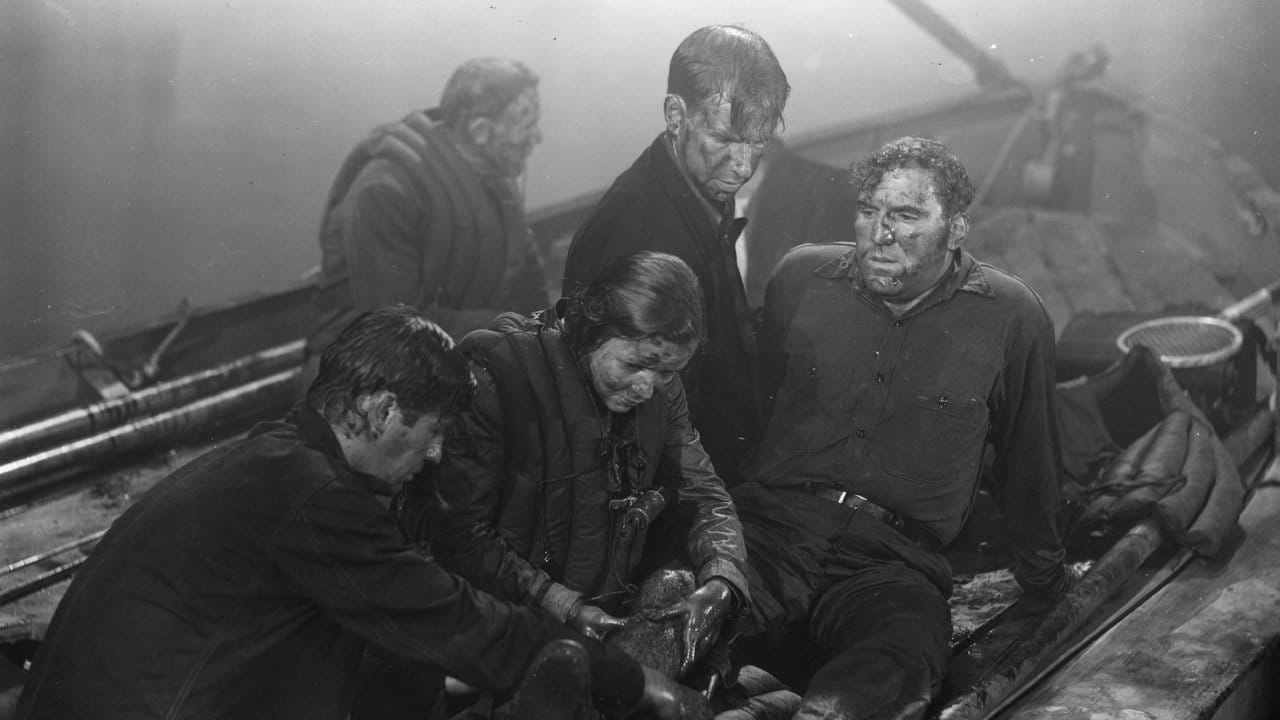
Während des Zweiten Weltkriegs wird ein Schiff von einem deutschen U-Boot bombardiert, beide sinken. Die Überlebenden des Schiffs retten sich in einem der Boote - allesamt unterschiedlicher Herkunft: ein internationaler Journalist, ein reicher Geschäftsmann, ein Funker, eine Krankenschwester, ein Steward, ein Seemann und ein Ingenieur mit kommunistischen Neigungen. Die Probleme beginnen, als sie einen Mann aus dem Wasser ziehen, der zur Besatzung des deutschen U-Boots gehört.
Hauptdarsteller
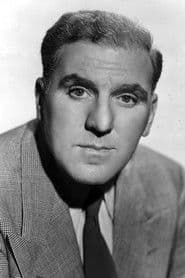
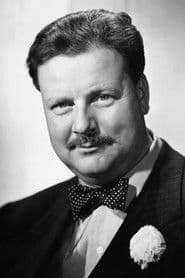
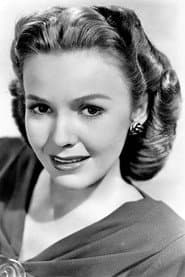
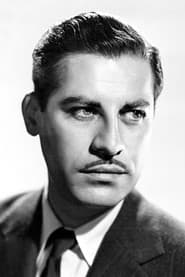
Mehr wie das
Against The Sun
2014·7.0
Greyhound - Schlacht im Atlantik
2020·7.4
K-19 - Showdown in der Tiefe
2002·6.6
Dunkirk
2017·7.5
Black Sea
2014·6.3
Das Wiegenlied der Verdammten
1971·6.1
Kursk
2018·6.6
Die dunkelste Stunde
2017·7.4
The Finest Hours
2016·6.6
Hereafter - Das Leben danach
2010·6.1
The Codes of War
2025·6.2
Pearl Harbor
2001·6.9
Communauté
7.3
Note Trakt
644 votes
10
60
9
57
8
165
7
214
6
87
5
29
4
11
3
8
2
2
1
11
1.5KSpectateurs
31.5KCollectés
1.9KListes
Avis de la communauté (2)
B
bladefdCritique★8/10Jul 12, 2024
‘Lifeboat’ was a story written by the legendary author John Steinbeck and directed by another legendary giant, Alfred Hitchcock. While this was one of Hitchcock’s earlier films, he was well-known by then. The plot here is simple, but it’s the characters that drive the story. During World War two, a German U-boat sinks a passenger ship headed for England, leaving most of the passengers dead or stranded in the Atlantic Ocean. A group of people gather on a lifeboat, and their stories unfold. While the film takes place over several days (we don’t know how many days), we see it unfold within an hour and 30 minutes of screen time. One passenger they pick up becomes the center of focus in the latter half while they attempt to row toward Bermuda. We see tensions rise, tempers flare, and desperation mount as the days go on. It’s how you would expect most social discourses to unfold in real life when people are thrown together in a small area. Hitchcock is a master of storytelling and experimenting with new styles of filmmaking. Much like his ‘Rear Window’ takes place in one apartment room, this entire movie also takes place in a single raft. However, you never feel it because of the fascinating characters and story. The characters share a short screen time, but the character development was amazing for each of them. The actors are not popular, but they fit very well together and have the chemistry to make it work. I felt like I knew all the characters, their mannerisms, and a little about their background. This is what storytelling should be like. Even though the entire film was shot in a small water tank studio, they also created a nicely built atmosphere. Interestingly, there were multiple scenes when I felt myself getting motion sickness, and I would focus on a character or the boat floor itself. It was as if we were with them in the raft, experiencing it alongside them. Hitchcock also used four different boats with cameras set up in a particular way for each of them to get the angles he wanted. Films like these continue to show why film classes still study Hitchcock and will continue to do so for decades to come. In typical Hitchcock style, he also makes a cameo appearance here, where you would least expect it. I usually miss Hitchcock’s cameo appearances, but it’s hard to miss it in this one. Would I recommend it? Yes, I think it’s a film worth watching. There is no suspense (arguably) or car chases or shootouts, but it’s entertaining from start to finish. Hitchcock never ceases to amaze me, no matter how many of his films I watch. He keeps you glued to your screen. This one was no different.
N
NancyLDraper@gmail.comVIP★7/10Sep 3, 2016
Since I watched "Tullulah" I've been curious about the woman who will always be the original - Tullulah Bankhead. So, I read up on her and, although she was regarded as the greatest stage actress of the 20th Century, she has to her credit over 300 film, stage, television and radio roles. Of all her films I chose this one to sample her work. It won the New York Film Critics award in 1944, and when she received the award she exclaimed, "Dahlings, I was wonderful". She was! This film is a Hitchcock production of a John Steinbeck piece. It probably deserves more, but I give it a 7 (good) out of 10.
Kritiken