Laden...
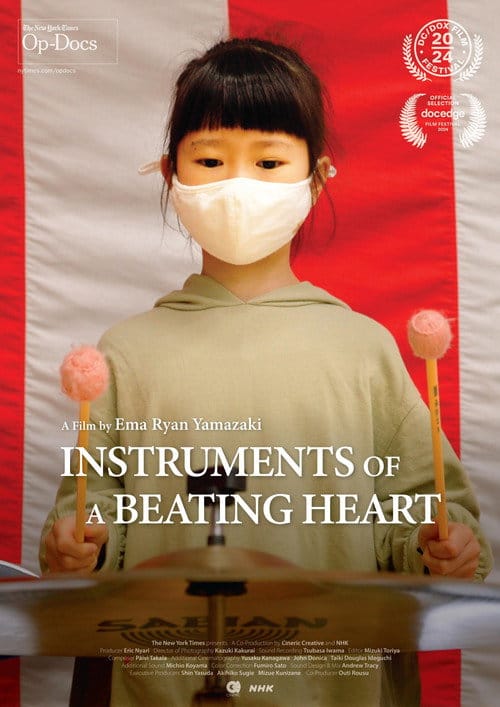
6.8·2024·23 min·日本語·Regie Ema Ryan Yamazaki
DokumentarfilmMusik
Mehr wie das

Selena Gomez: My Mind & Me
2022·8.5

25 Jahre BAD - Das Phänomen Michael Jackson
2012·7.3

Iron Maiden: Burning Ambition
2026·8.6

Katy Perry: Part of Me
2012·7.1

Justin Bieber's Believe
2013·6.9

Michael Jackson - The Life of an Icon
2011·8.1

The Velvet Underground
2021·6.8
Rolling Thunder Revue: A Bob Dylan Story by Martin Scorsese
2019·7.0

One Direction: This Is Us
2013·8.2

20 Feet from Stardom
2013·7.2
Stop Making Sense
1984·8.3

WHAM!
2023·7.3
Communauté
7.4
Note Trakt
131 votes
10
9
9
4
8
55
7
32
6
23
5
6
4
1
3
1
2
1
317Spectateurs
2.0KCollectés
224Listes
Avis de la communauté (4)
S
sixhoursagoVIP★7/10Feb 14, 2025
I'll be scolded with you, Ayame!
♥1
A
AlfieSGDVIP★8/10Dec 25, 2024
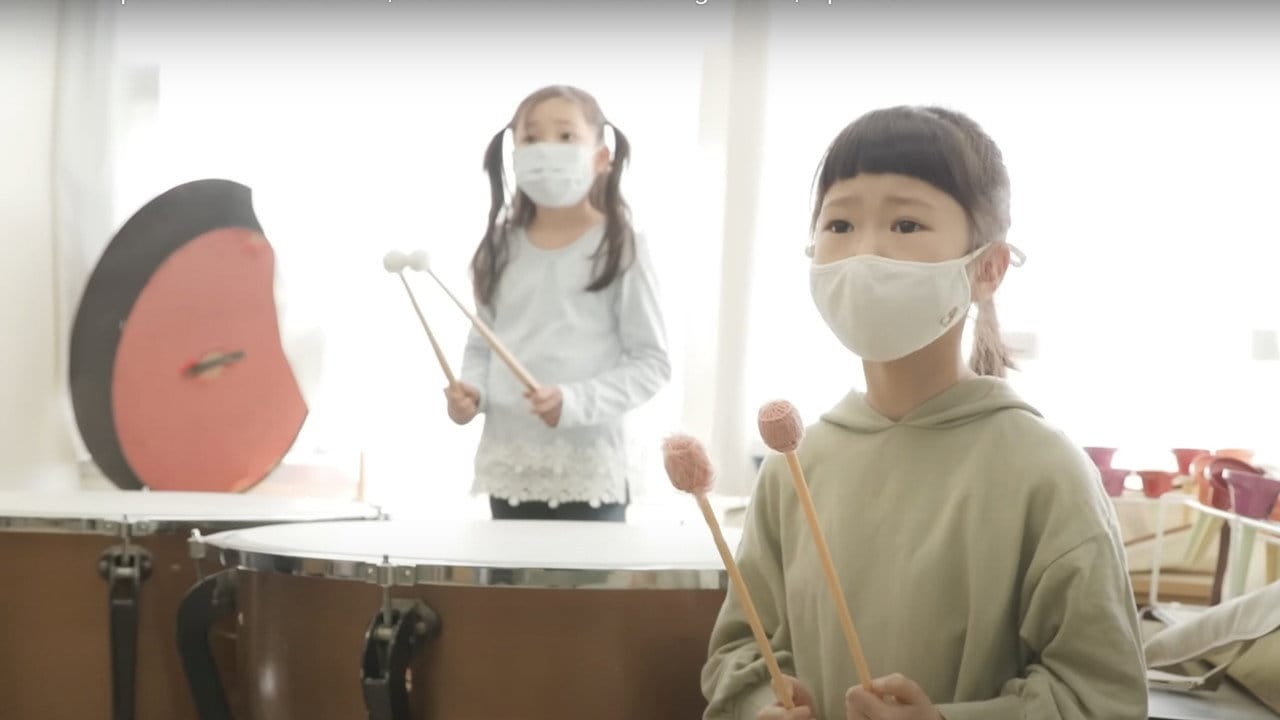
In elementary school, we also prepared a welcome program for the new first graders in the second grade. But we certainly practiced much less intensely than the children in the short documentary "Instruments of a Beating Heart." The film offers a pretty interesting insight into the Japanese education system, where there is obviously a strong focus on academic achievements and, above all, pressure from an early age. Perhaps the Japanese overdo it a little, but firstly you have to acknowledge cultural differences, and secondly the treatment of the children here doesn't seem inhumane. On the contrary, it is obviously liberating when they realize that they have actually accomplished something. Overall, the documentary has a well-functioning narrative with a beginning, middle, and end; cute protagonists whom you enjoy rooting for; and it also offers an interesting look behind the scenes of a Japanese school. Accordingly, there's a lot to absorb here, so "Instruments of a Beating Heart" is ultimately a complete success.
♥1
A
ArielRodriguez★8/10Dec 23, 2024
A short film full of tenderness. A group of first graders are excited to be part of the band that will play the Ode to Joy during the opening ceremony to welcome the new first graders. Without a doubt, something that might seem trivial to us, when seen from the children's perspective, becomes stressful, emotionally challenging, and tenderly attractive. The story is complete: from the announcement of the auditions, through the rehearsals and the director's demands, to the presentation at the ceremony. Cinematographically, it may not have great scenes, but narratively, it is very entertaining.
♥1
H
heyflpCritique★8/10Dec 31, 2024
“Instruments of a Beating Heart”, directed by Ema Ryan Yamazaki, is a short documentary that uses a simple premise—the preparation of a group of Japanese schoolchildren to perform an orchestral version of Beethoven’s “Ode to Joy”—as a backdrop to explore deeper cultural issues. The film follows Ayame, a young student struggling to find her place in the musical ensemble, facing pressures that go far beyond simply mastering her instrument. The rigorous dedication demanded from the children reflects values deeply rooted in Japanese education, such as the emphasis on harmony and the weight of collective responsibility. At the same time, Yamazaki paints a nuanced portrait, revealing the dilemmas of discipline and conformity within this system without resorting to simplistic judgments. Yamazaki’s work is a triumph in how it balances emotion and reflection. Ayame, as the protagonist, isn’t just captivating; she becomes a mirror for the complexities of Japan’s educational culture. The film’s editing turns her journey into something that resonates like a classic underdog story, with ups and downs that keep the audience hooked. Moments of vulnerability, like Ayame’s public reprimand, are interwoven with scenes of resilience that highlight both the pressure and her ability to adapt and grow. The masterful cinematography by Kazuki Kakurai and his team adds to the film’s intimacy, capturing every emotion with almost visceral closeness. The documentary’s dramatic structure, while genuine, feels reminiscent of a sports movie narrative, which makes its conclusion all the more powerful. However, the film doesn’t stop at Ayame’s individual journey. It subtly questions the balance between discipline and freedom in a child’s upbringing. By showcasing both the benefits and the costs of the Japanese system, Yamazaki turns “Instruments of a Beating Heart” into a genuine test of perspective. It’s impossible to watch without reflecting on the implications of social pressure versus celebrating individuality, especially in societies that handle these values so differently. While the focus is on young Ayame, the film opens up broader, universal discussions, maintaining an emotionally engaging and visually captivating approach. Ultimately, Yamazaki delivers a work that not only moves viewers but sparks lasting debates about education, culture, and the role of resilience in shaping character.
Kritiken