Laden...
6.1·2024·15 min·Français·Regie Alison McAlpine
Dokumentarfilm
Mehr wie das
A Plastic Ocean
2016·7.5

I Am Heath Ledger
2017·7.4

Above Majestic
2018·7.4

In der Haut von James Bond
2021·7.7
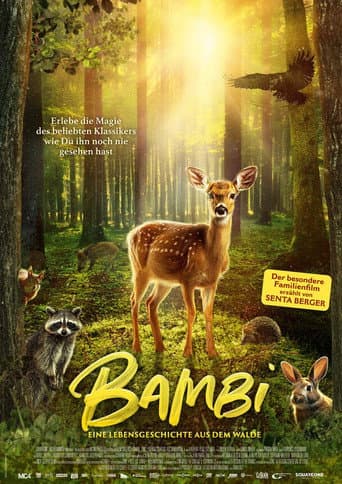
Bambi - Eine Lebensgeschichte aus dem Walde
2024·6.5

Spider-Man: All Roads Lead to No Way Home
2022·6.8

Wer ist Charlie Brown?
2021·6.9
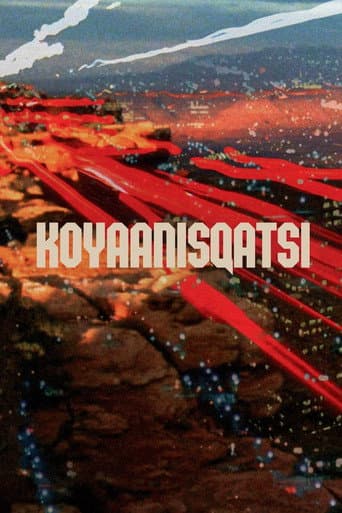
Koyaanisqatsi
1983·7.9

Daguerreotypen - Leute aus meiner Straße
1978·7.3
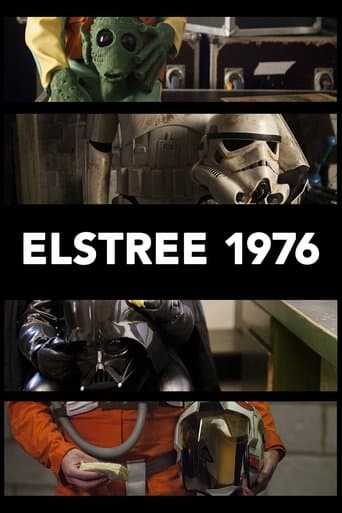
Elstree 1976
2015·6.2
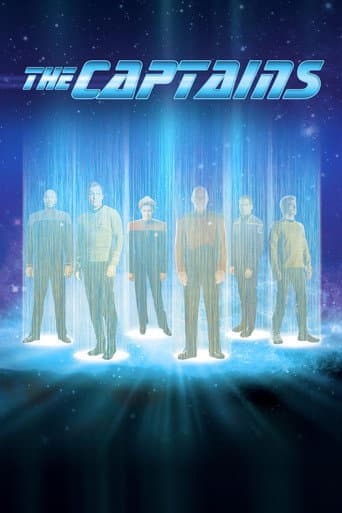
The Captains
2011·6.4

Women Reply
1975·6.3
Communauté
5.3
Note Trakt
123 votes
10
2
9
1
8
10
7
12
6
33
5
24
4
28
3
4
2
7
1
2
310Spectateurs
190Collectés
165Listes
Avis de la communauté (7)
P
phv482000★6/10Mar 12, 2026
very good cinematography, and lowkey pretty surprising that this is a documentary and not a fiction feature. how can they even coordinate to capture this?
A
AlfieSGDVIP★4/10Jan 23, 2026
It may well be that "Perfectly a Strangeness" is a charming little experimental short film in which a couple of donkeys explore an abandoned astronomical observatory. Above all, the film certainly looks good. But as a short documentary, I can't take it seriously. I honestly have no idea what is supposed to be documented here. You simply observe a few donkeys being donkeys. To see more than that in it strikes me as pretentious, not profound. That's why I find it a questionable Oscar nomination that I can't get behind.
♥3
W
wolfkin★5/10Feb 9, 2026
It's a strange film with as a friend said some classic shots. I'm not sure what to make of it. I'd like to read an intent document or something. Not gonna get my vote for doc but it's an interesting film none-the-less. The Documentary Short category must be lacking if this is among the nominations. That said I don't think it'll beat the abortion clinic one. THe
♥1
H
heyflpCritique★5/10Jan 26, 2026
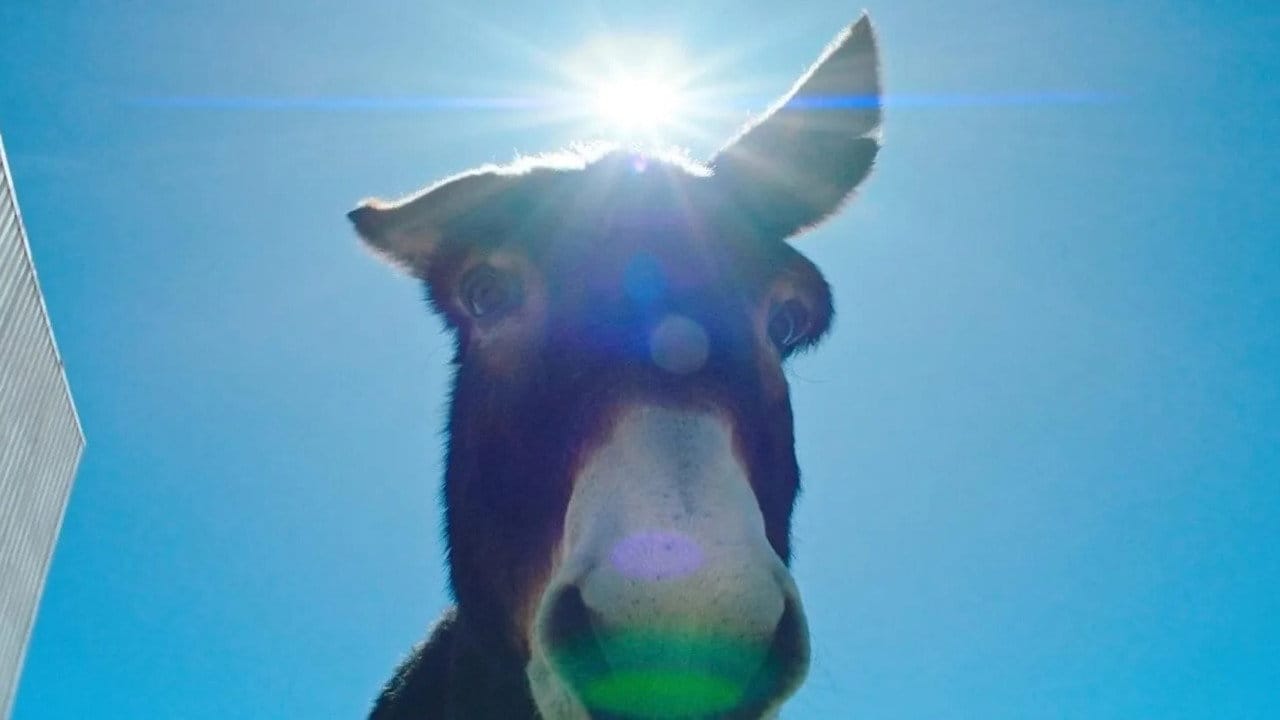
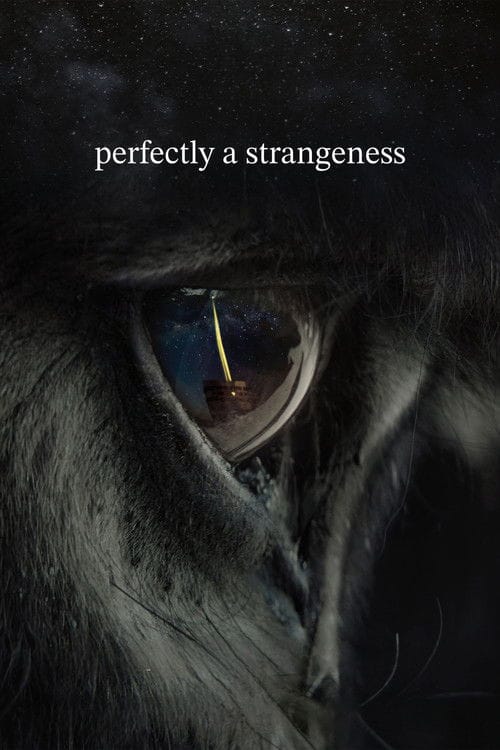
It’s striking how some cinematic experiences feel like staring out the window of a bus that isn’t moving: beautiful, quiet, but without any sense of displacement. At times, they also resemble ambient music that plays endlessly: pleasant to the ear, yet incapable of leaving any real trace once it ends. That’s exactly the ambiguous zone where “Perfectly a Strangeness” settles, relying almost entirely on atmosphere while giving up any commitment to a more solid narrative foundation. Alison McAlpine’s short sets out to explore “what a story can be” without dialogue, sustained only by sound and music. Set at the La Silla Observatory in Chile’s Atacama Desert, the film follows the daily routine of three donkeys (named Palaye, Ruperto, and Palomo) as they wander among the scientific structures used to observe the universe. The camera lingers on their movements, their gazes, the flick of their ears, creating visual parallels between animal behavior and the idea of galaxies constantly orienting themselves in space. The conceptual intention is clear, but the execution remains overly thin. From a technical standpoint, “Perfectly a Strangeness” is flawless. The cinematography sensitively explores the contrast between the desert’s ancient vastness and the almost alien presence of the telescopes, while the camera finds beauty both in wide shots and in the smallest details. Ben Grossman’s score deepens this sensory immersion, shifting between daytime delicacy and nighttime grandeur as the domes open toward the sky. Everything works in perfect formal harmony, like a carefully composed audiovisual installation. The problem arises when you try to identify what the film wants to communicate beyond this aesthetic contemplation. There’s no dramatic progression, no conflict, no articulated reflection that goes beyond vague suggestions about time, transience, and the coexistence of the natural and the technological. The absence of dialogue isn’t an issue in itself (silent cinema has proven its power countless times) but here it comes paired with an absence of structure. The short observes, but doesn’t investigate; it hints, but doesn’t develop. The implied comparison between the donkeys and the machines, between humanity’s forgotten past and contemporary scientific ambition, remains stuck at a surface level of abstraction. “Perfectly a Strangeness” seems to believe that simply placing these elements side by side is enough to generate meaning. Without a stronger guiding thread, though, the film becomes a series of beautiful images that never coalesce into a thought. Watching the animals walk around, as charming as it may be, doesn’t automatically turn into a statement. This conceptual fragility raises an unavoidable question: what is the documentary’s purpose? If there’s no story to tell and no idea to truly explore, what justifies its length and, more importantly, its circulation in spaces traditionally reserved for works with greater reflective density? The feeling is that the short confuses minimalism with a lack of content, as if refusing to say anything explicitly were, by itself, a sufficient artistic gesture. “Perfectly a Strangeness” holds up as a pleasant sensory experience, marked by gorgeous cinematography and careful sound design, but it fails to offer any substance beyond the immediate impact of its images. It’s a film you watch with momentary interest, but one that doesn’t provoke, doesn’t question, and doesn’t linger. In that light, its presence in a competition for recognition as a documentary feels less like a celebration of the form and more like a symptom of increasingly blurry criteria around what, exactly, is considered worthy of being told.
♥1
T
Tomizuka0829VIP★7/10Feb 25, 2026
Donkeys and telescopes, what's not to love? 2025 (98th) Academy Award nominations: Best Documentary Short Film
Kritiken