Laden...
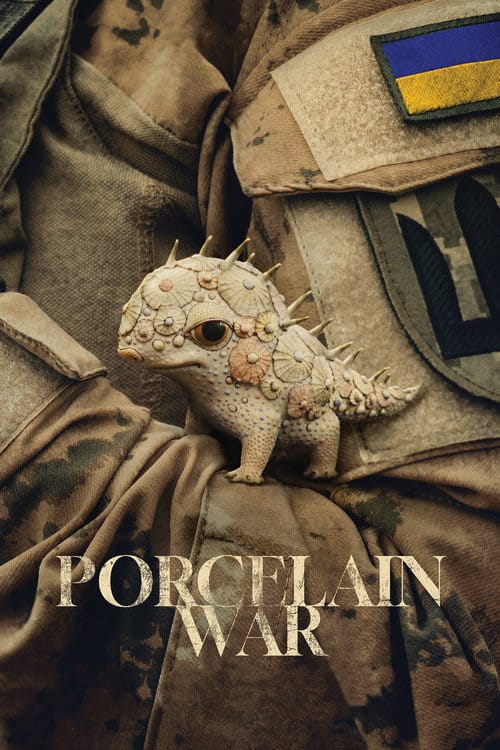
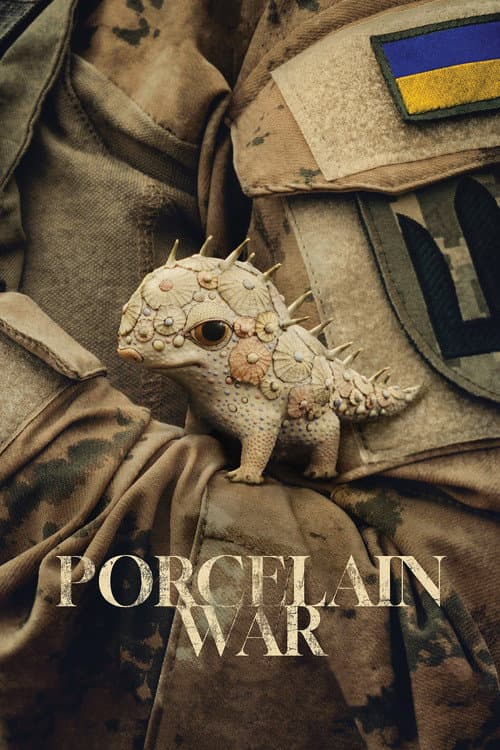
6.6·2024·87 min·English·Regie Brendan Bellomo
Dokumentarfilm
Hauptdarsteller
Mehr wie das
Meine Mutter Jayne Mansfield
2025·8.0

Gilbert
2017·6.7
Night Will Fall - Hitchcocks Lehrfilm
2014·7.6
Alexander McQueen – Der Film
2018·7.5

Für Sama
2019·8.3

Welcome to Chechnya
2020·6.9
20 Tage in Mariupol
2023·8.1

Maternal Instinct: Der Fall Taylor Parker
2026·7.2

Selena Gomez: My Mind & Me
2022·8.5

Matangi/Maya/M.I.A.
2018·7.7
Cutie and the Boxer
2013·6.9
Love, Antosha
2019·7.4
Communauté
7.1
Note Trakt
101 votes
10
9
9
2
8
24
7
29
6
29
5
7
4
3
2
1
1
270Spectateurs
7.8KCollectés
577Listes
Avis de la communauté (3)
A
AlfieSGDVIP★6/10Feb 28, 2025
The basic premise of the documentary “Porcelain War,” in which artists are confronted with the war in Ukraine and now have to fight while continuing to create their art, is a thoroughly interesting one. However, the film ultimately lacks a sense of focus, so at some point it is almost exclusively about the events on the battlefield. And the filmmakers don't really have anything new to say in this context; the message is clear from the start. At least the film delivers impressive and depressing images of war, but ultimately you shouldn't expect to gain any greater insight.
H
heyflpCritique★7/10Feb 21, 2025
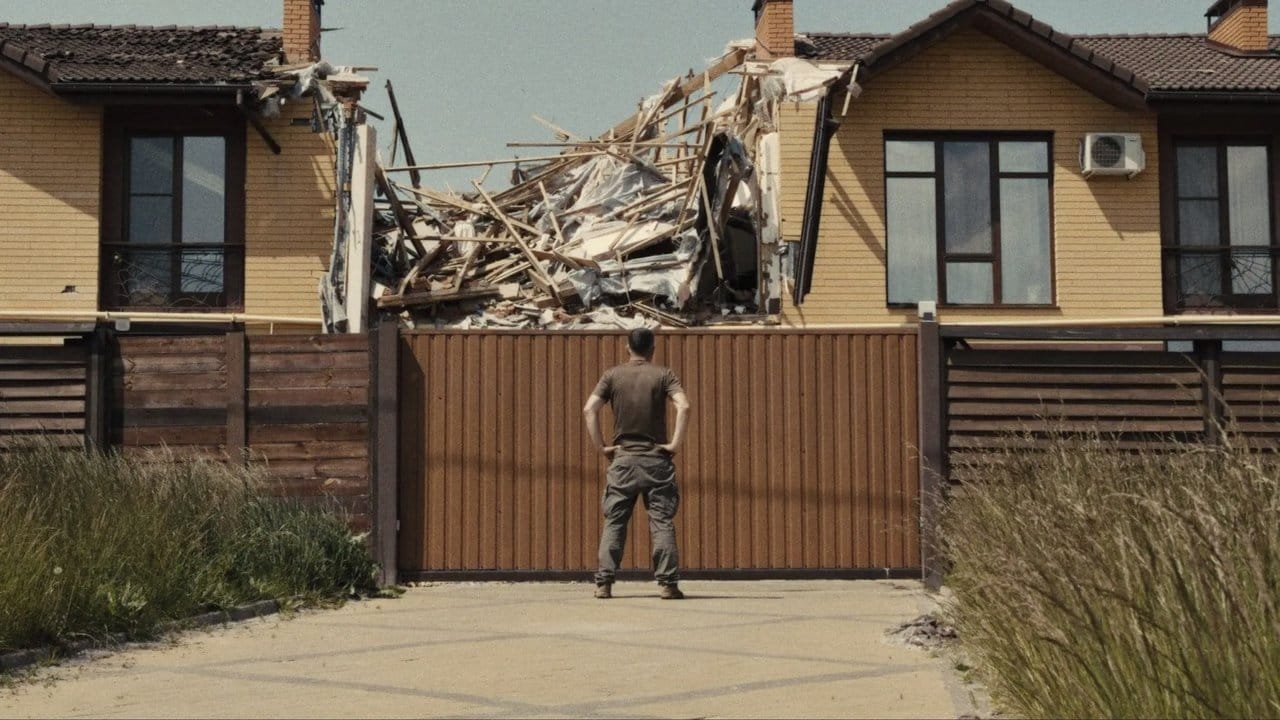
“Porcelain War” has an incredibly powerful premise, blending art and war as two sides of the same coin. But in the end, it seems to hesitate when it comes to tapping into the deeper, more unsettling potential it carries. Following Ukrainian artists who refuse to abandon their craft even in the face of destruction and imminent danger, the film holds a weighty concept in its hands: art as resistance, as a way to reaffirm a culture at risk of being erased. However, despite its visual impact and the strength of its subjects, the narrative often settles for a more digestible path, avoiding a dive into the more provocative layers the story suggests. The choice to follow Slava Leontyev and Anya Stasenko, artists and life partners, works as an emotionally effective anchor. The delicacy of their work—miniature porcelain figures decorated with intricate paintings—stands in stark contrast to the devastation around them, and the film makes great use of this opposition, creating imagery that evokes a tragic lyricism. The fact that they remain on the front lines, choosing to keep creating while also contributing to the armed resistance, adds extra weight to the narrative. Andrey Stefnov, the photographer documenting much of the war and longing to reunite with his family, adds another human layer to the story. And, of course, there’s Frodo, the little terrier who offers brief moments of tenderness in the midst of chaos. The cinematography in “Porcelain War” is, without a doubt, one of its strongest aspects. The use of drone shots—capturing both the destruction and the military tactics—creates an unsettling juxtaposition between the artistic gaze and the brutality of war. At times, the film reaches an almost poetic level, especially when it places Slava and Anya’s creations amid the ruins, symbolizing Ukrainian cultural resilience. But it’s precisely in its constant effort to reinforce this metaphor that the documentary starts to feel predictable, as if it keeps circling back to the same point without delving into new depths. And this is where “Porcelain War” shies away from fully exploring some of the more uncomfortable questions it raises. Art is presented as a symbol of resistance, but the film only scratches the surface of the complexities that come with the transition between creating and destroying. The impact of war on the artists’ identities and how this collision alters their perception of their own work comes up in certain moments, but it’s never fully developed. Instead of leaning into these contradictions, the documentary pulls back into safer territory, reinforcing its uplifting message without really challenging it. That’s not to say “Porcelain War” is ineffective. It delivers striking visuals, compelling subjects, and a theme that, by itself, makes it an important film. But there’s a lingering sense that it could have been more than just an ode to resilience—it could have dug deeper into the ambiguities and contradictions that arise when artistic survival intertwines with real combat. In the end, “Porcelain War” is moving and visually stunning, but it falls short of being the truly provocative film it had the potential to be.
S
sixhoursagoVIP★6/10Feb 6, 2025
Such charming subjets, determined to live, doing the things they love living for.
Kritiken