Laden...
7.0·2024·91 min·English·Regie Tim Fehlbaum
Der Tag, als der Terror live ging
ThrillerDramaHistorie
Handlung
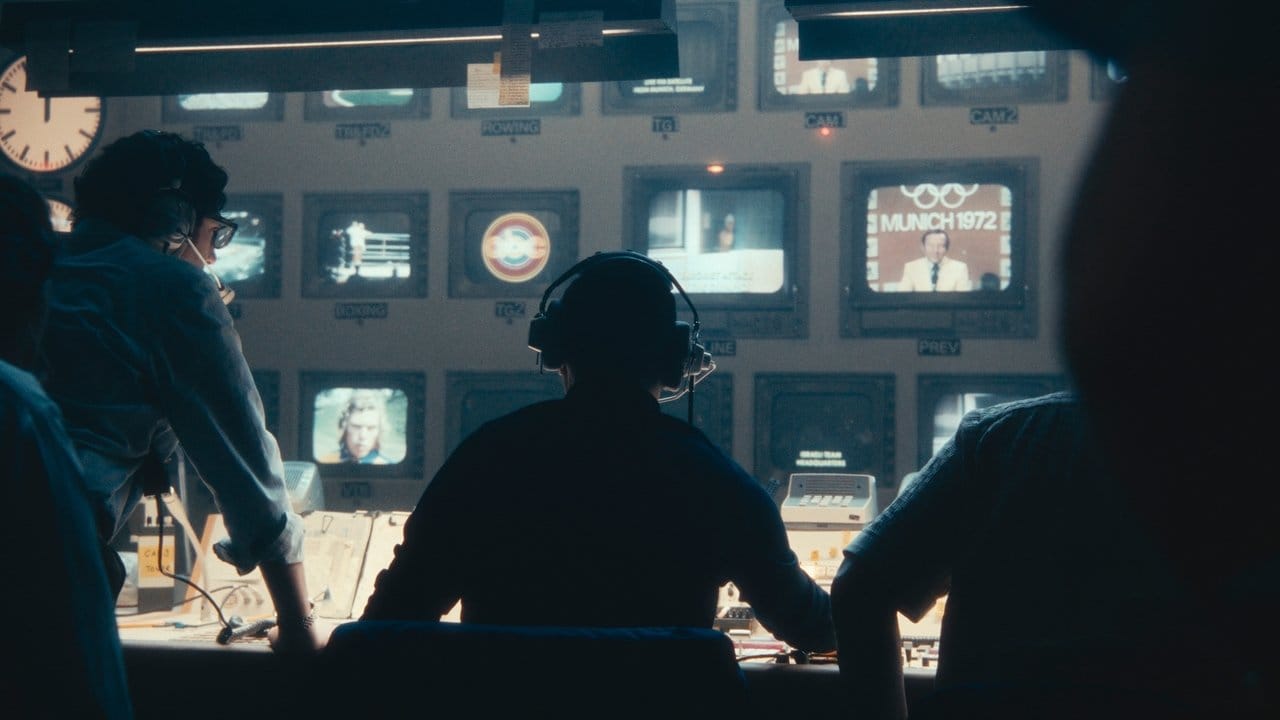
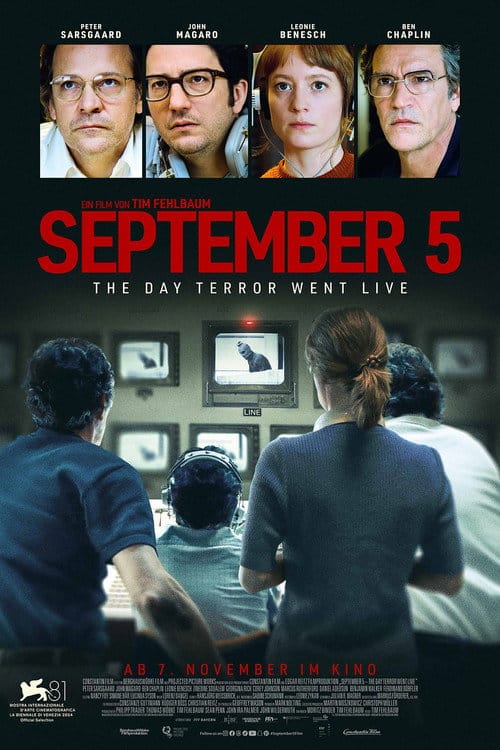
München, 5. September 1972, zehnter Wettkampftag der Olympischen Sommerspiele. Erstmals seit 1936 wieder in Deutschland, sollten es die „heiteren Spiele“ werden und der Welt das Bild eines neuen, liberalen Deutschlands vermitteln. Doch um 4.40 Uhr hört die Frühschicht des amerikanischen Senders ABC Schüsse aus dem nahe gelegenen Olympischen Dorf. Eine Gruppe palästinensischer Terroristen hat elf Mitglieder der israelischen Mannschaft als Geiseln genommen. Gegen den Widerstand der eigenen Nachrichtenabteilung berichtet das ABC-Sports-Team Live über die 21-stündige Geiselnahme.
Hauptdarsteller










Mehr wie das
Die keine Gnade kennen
1976·6.0
München - Im Angesicht des Krieges
2021·6.9
Mad City
1997·6.2

7 Tage in Entebbe
2018·5.9
Der Fall Richard Jewell
2019·7.4
Bonhoeffer
2024·6.8
Die Unbestechlichen
1976·7.7
Feuer am Himmel
1993·6.7
The Impossible
2012·7.4
Remember - Vergiss nicht, dich zu erinnern
2015·7.4
55 Tage in Peking
1963·6.9
Tatami
2024·7.7
Communauté
7.2
Note Trakt
3.0K votes
10
230
9
201
8
852
7
1.0K
6
486
5
124
4
72
3
21
2
25
1
18
13.9KSpectateurs
24.3KCollectés
5.3KListes
Avis de la communauté (12)
L
loenneVIP★7/10Jan 12, 2025
This movie brilliantly tells the story of one of the most known terrorists attacks of the 20th century. It's beautiful execution captures one quite quick. Archive footage is neatly intertwined within remade scenery, and you don't notice at all. At first I was skeptical as to why they shot this german movie in english language, but it was justified and I'm happy that they often also speak german in the movie. Overall really solid flick with remarkable camera work.
♥8
H
heyflpCritique★8/10Jan 26, 2025
“September 5” is a behind-the-scenes thriller that throws us right into the eye of the storm during one of the darkest moments in Olympic history, exploring the impact of the 1972 Munich crisis through the lens of TV coverage. Directed by Tim Felhbaum, the film does a great job of capturing the urgency and claustrophobic tension of a newsroom trying to process a tragedy in real time. But at the same time, it sticks too closely to the journalistic narrative, steering clear of deeper dives into the historical and political implications of the event. The goal here is clear: to put the audience inside the ABC Sports control room and let them feel the weight of the decisions that would shape not just that fateful night’s coverage but also the future of live media itself. The script, written by Felhbaum and Moritz Bender, takes a sharply focused approach, following Geoffrey Mason (John Magaro), a producer forced to juggle the ethical and commercial demands of the coverage while dealing with pressure from his bosses and the unpredictable nature of the situation. Magaro delivers a nuanced performance, perfectly conveying the mental exhaustion and paralyzing fear of making the wrong call, making his character the moral anchor of the story. His clashes with Marianne Gebhardt (Leonie Benesch), a German translator suddenly thrown into the heart of the crisis, and Marvin Bader (Ben Chaplin), a tech operator with personal ties to the tragedy, add an extra emotional layer that keeps the drama grounded and engaging. The chemistry between the trio is one of the film’s biggest strengths, helping to humanize a plot that could sometimes feel overly technical. Felhbaum’s direction takes a minimalist approach, using handheld cameras and a grainy visual style that mimics the look of 1970s TV broadcasts. This stylistic choice works well to heighten the sense of urgency and pull the audience into the chaotic atmosphere. The sound design plays a crucial role, with overlapping dialogue, radio chatter, and TV monitors buzzing in the background, creating an almost documentary-like immersion that highlights the cacophony of voices and information flooding the control room. The sense of disorientation is intentional and effective, making us feel the same confusion as those trying to make sense of what was happening on the other side of the screen. However, the film stumbles when it comes to addressing the political and historical complexities of the crisis. The Israeli-Palestinian conflict is only briefly touched upon, and the film seems more interested in tackling the ethical dilemmas of TV journalism than delving into the deeper roots and consequences of the attack. This choice might disappoint viewers hoping for a more in-depth exploration of the event as a whole. Peter Jennings’ character, played with understated charm, ends up feeling underutilized, pushed to the sidelines, which weakens the film’s attempts to offer a broader perspective on what happened. It’s understandable that the focus was meant to stay on the internal dynamics of the newsroom, but the lack of deeper context makes the film feel a bit one-sided. Still, “September 5” stands out in the way it captures the birth of modern media coverage as spectacle. The use of the iconic image of the masked terrorist as a symbol of the tragedy—and its transformation into an almost branding element for the broadcast—is one of the film’s most powerful moments. It subtly hints at the consequences of blending information with entertainment. The movie suggests, without being too on-the-nose, that the Munich crisis marked a turning point in how tragedies began to be televised and consumed, something that still resonates today in the era of social media and 24-hour news cycles. “September 5” is an effective film within its intended scope—a tense and well-crafted thriller about the inner workings of historic news coverage. It shines in its technical details, strong performances, and meticulous recreation of a moment of crisis, but it falls short by avoiding a deeper exploration of the event’s complexities. For those looking for a character-driven study of people under pressure and an almost sensory dive into the chaos of a newsroom, the film delivers an engaging experience. But for those expecting a broader, more critical take on the tragedy’s ripple effects, it might leave them feeling like something is missing.
♥5
M
mk677hd★7/10Jan 31, 2025
The retro approach coupled with the suspense was great.
♥4
D
decatur555VIP★8/10Feb 20, 2025
The attack at the 1972 Munich Olympics has been told in many ways, but September 5 takes a different perspective: that of the journalists who covered the crisis live. The film throws us into the ABC newsroom, where a team struggles to inform the world while the events unfold with unbearable tension. The story feels real and intimate because it doesn’t need to exaggerate the drama. There are no unnecessary reenactments or cheap emotional tricks. The pressure of the moment is conveyed through intense dialogues, uncertain glances, and the constant feeling that every decision inside that newsroom could change everything. It’s a raw look at journalism when immediacy clashes with the responsibility of telling the truth. The setting is excellent, and the pacing maintains the tension without forcing situations. While some parts may feel slightly stylized for cinematic impact, the film achieves its goal: making us feel the anguish of those who lived that day, not as mere witnesses, but as the ones responsible for informing the world.
♥2
S
sixhoursagoVIP★7/10Feb 17, 2025
If this's propaganda get your head checked. :peanuts:
♥2
Kritiken