Laden...
7.4·1994·91 min·Français·Regie Krzysztof Kieślowski
KomödieDramaMystery
Handlung
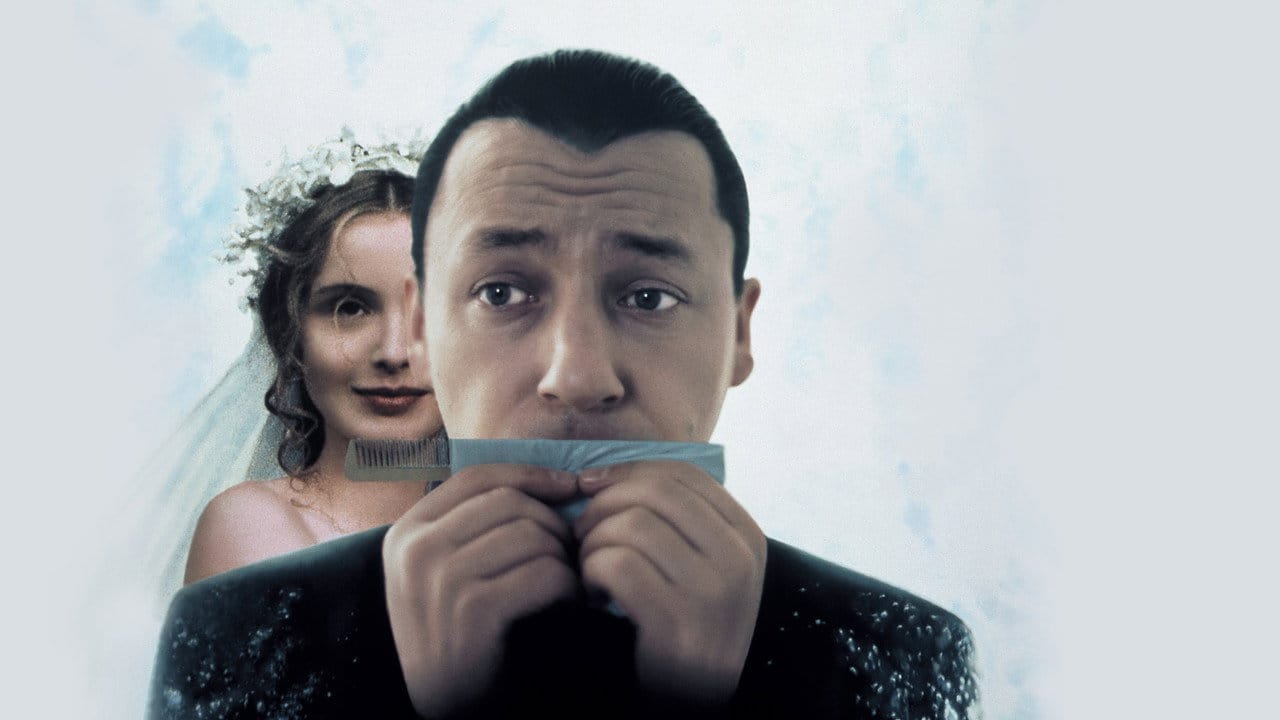
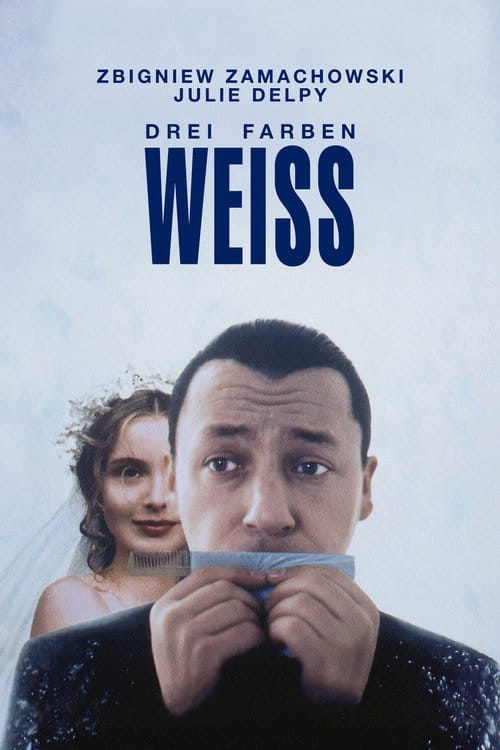
Der Pole Karol und seine französische Frau Dominique stehen vor dem Scheidungsrichter, Dominique behauptet, die Ehe sei nie vollzogen worden. So werden sie geschieden und Karol verliert alles, was er besaß: die Liebe, seine Frau und seinen Friseursalon, in dem all seine Ersparnisse stecken und steht nun ohne Geld, Papiere, zutiefst erniedrigt und verletzt da. In den Augen der Polizei ist er noch dazu ein Brandstifter. In einem Koffer versteckt, kehrt Karol nach Polen zurück. Er hat nur ein Ziel: reich zu werden und sich an seiner Frau zu rächen. Doch dann ist das Glück zum ersten Mal auf seiner Seite. Er gewinnt etwas, woran er schon lange nicht mehr geglaubt hatte...
Hauptdarsteller







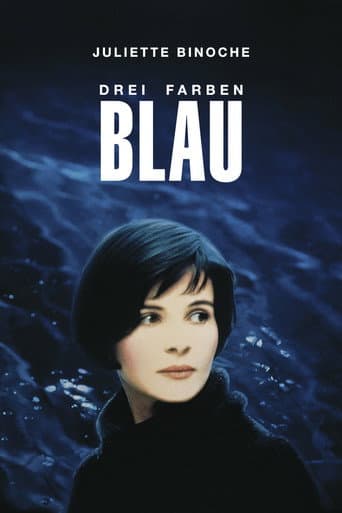
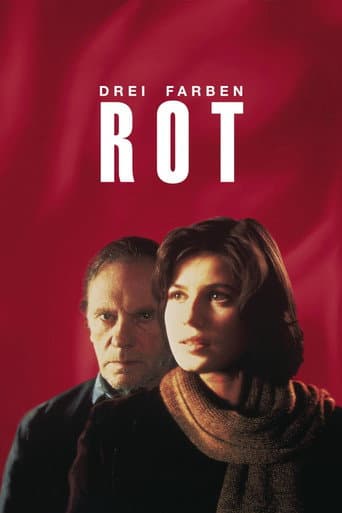
Drei Farben Filmreihe
Mehr wie das
Wie sehr liebst du mich?
2005·5.9
Abendanzug
1986·6.6
Das wilde Schaf
1974·6.1
On a Magical Night
2019·6.2
CQ
2001·5.9
Good Grief
2023·6.2
Die Ausgebufften
1974·6.7
Die Außenseiterbande
1964·7.5
Nightmare Lover
1993·6.5
The Science of Sleep - Anleitung zum Träumen
2006·7.0
The French Dispatch of the Liberty, Kansas Evening Sun
2021·7.0
Der Mieter
1976·7.6
Communauté
7.4
Note Trakt
1.4K votes
10
127
9
131
8
480
7
389
6
184
5
52
4
21
3
1
2
9
1
17
3.6KSpectateurs
98.7KCollectés
5.2KListes
Avis de la communauté (7)
2
2016moonlight★7/10Nov 29, 2020
Men are fucking deranged help... look at the lengths he went just to prove his virility.
♥5
A
AdamMorganVIP★9/10Oct 1, 2018
I think one of the drawbacks of being an American movie viewer is that we are used to a certain kind of pacing. In this film the director has a very deliberate pace and while the film never drags there is certainly a slow build. In a way it reminds me of Better Call Saul. The genius of this film is the final scene. With one final stroke the entire film is given a different texture and meaning. Where there seemed like not much was going on there was actually a lot going on. I loved it and I loved thinking about it after it ended.
♥3
D
drqshadowCritique★6/10Sep 16, 2024
In losing his wife, a Polish expat is also stripped of his dignity. Shamed for his impotence before a divorce court, he’s summarily evicted from his Paris home, ousted from his post at a high-end hair salon, disassociated from his bank account and deprived of his passport. While living as a vagrant in a nearby subway station, fate introduces him to an amiable businessman who takes pity and finds a way to send him back to his motherland. There, he intends to set things right: pulling himself up by his bootstraps and seeking a twisted measure of revenge against the woman he holds responsible. Roger Ebert called _White_ an “anti-comedy,” but I don’t see much humor here. He likewise labeled its 1993 counterpart, _Blue_, an anti-tragedy, and while that story ultimately becomes uplifting, it does supply a boatload of tragic circumstances to underscore the point. Maybe Ebert was just stretching to find a unifying theme for the trilogy. I haven’t yet watched the third entry, _Red_, but while the first two chapters are similar in many ways, they’re antithetical in others. Where _Blue_ was about growth through introspection, weathering an intense personal storm to find peace, _White_ documents a more spiteful alternative. Here, our protagonist soaks up all manner of undeserved pain and dishonor, then uses it to fuel a burning, vindictive fire. He grows, too, but in unhealthier directions. The trauma deadens his nerves, nudging him towards greed and self-gratification at others’ expense. That many of his targets probably deserve the abuse is beside the point: he’s been willingly corrupted by his hardship. It’s a bleak and somber story, filmed in bleak and somber tones. The frigid, wintery climates of France and Poland feel stark and bare; dreary settings for the film’s unhappy, borderline-hostile, subject matter. Curious that a film named for the essence of light could produce something so dirty and dark.
♥1
B
billerrVIP★10/10Feb 23, 2026
I feel like the Coen brothers were definitely taking notes while watching this movie.
T
Tobeiyyy★6/10Jan 13, 2025
Karol is a big simp. Karol is big into capitalism. Karol is a real asshole. But Karol knows how to make music with a handkerchief. So I like Karol. In all honesty tho I didnt like this movie as much as Blue. It seemed so normal and I expected something that throws me into another emotion again just like Blue did with its grief… obviously white isnt as easily portrayed as Blue but that doesnt mean there isnt a way to make it a compelling and more importantly emotional movie… while Blue breathes and bursts that color in each of its scenes, White is basically just a movie like any other that happens to have some white scenes in it.
Kritiken