Laden...
7.3·2000·114 min·English·Regie Gregory Hoblit
Die Zukunft hört zu.
Science FictionKrimiThriller
Handlung
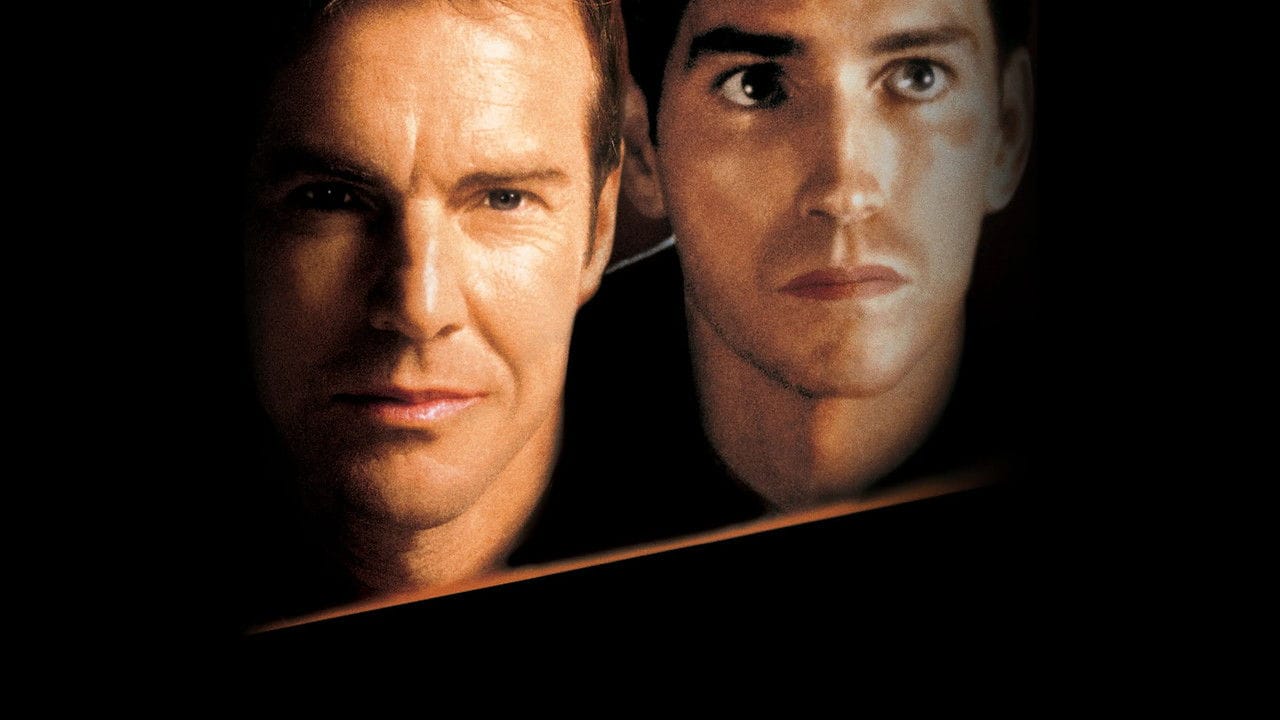
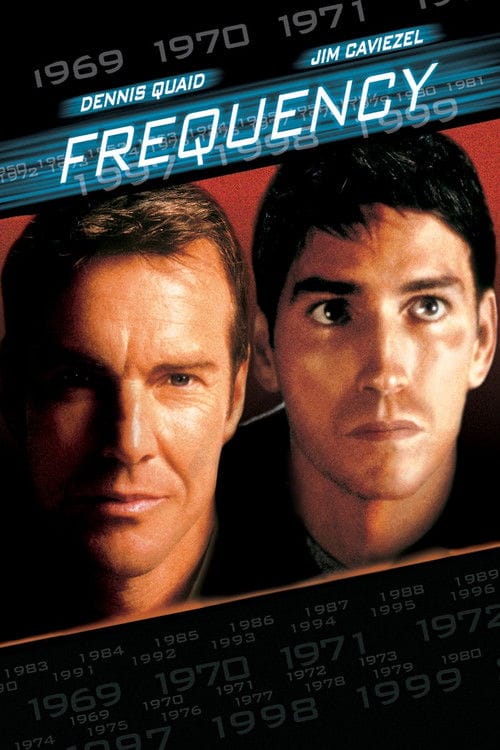
Bei einer günstigen Sternenkonstellation kann der New Yorker Polizist John Sullivan über sein Amateurfunkgerät mit seinem verstorbenen Vater Frank Kontakt aufnehmen. Frank Sullivan war Feuewehrmann und ist bei einem Brand in einem Lagerhaus ums Leben gekommen, als John noch ein Kind war. Verzweifelt sucht John nach einem Weg, den Verlauf der Geschichte zu ändern, und setzt alles daran, den Tod seines Vaters zu verhindern. Doch dabei löst er andere schreckliche Ereignisse aus ...
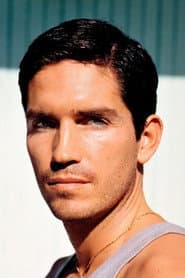
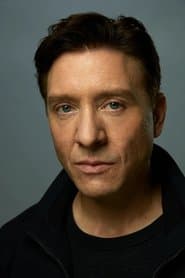
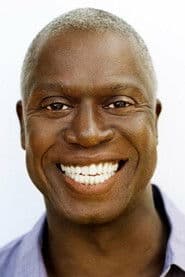
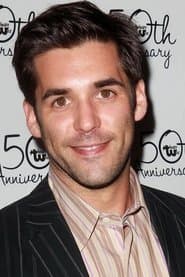
Hauptdarsteller




Mehr wie das
Source Code
2011·7.3
Déjà Vu - Wettlauf gegen die Zeit
2006·6.9
Mercy
2026·7.1
2:22 - Zeit für die Liebe
2017·6.0
Die Vergessenen
2004·5.9
Minority Report
2002·7.4
Krieg der Welten
2005·6.6
Trap: No Way Out
2024·6.2
Feuer am Himmel
1993·6.7
In Time - Deine Zeit läuft ab
2011·7.0
John Q. - Verzweifelte Wut
2002·7.1
Tenet
2020·7.2
Communauté
7.5
Note Trakt
4.0K votes
10
575
9
283
8
1.1K
7
1.2K
6
628
5
128
4
75
3
17
2
16
1
39
14.3KSpectateurs
65.2KCollectés
7.1KListes
Avis de la communauté (12)
E
eliottrobson★7/10Jan 3, 2018
Quite an interesting idea, with a modern spin-off TV series. There are a few plot holes, but the good acting and tense moments make for a surprisingly decent watch.
♥4
A
aleczMar 19, 2022
great movie, i really enjoyed it
♥3
D
drqshadow★4/10Feb 5, 2020
An odd twist on time distortion in which, due to the inexplicable appearance of the aurora borealis over Queens, a New York cop is able to communicate via ham radio with his long-dead father thirty years in the past. Completely ignoring the warnings of Doc Brown and Marty McFly, he immediately spoils the upcoming World Series and dozens of important life moments for his father, before the two decide to pair up in search of an unresolved string of historical murders. The film can't decide if it wants to do the sappy paternal bonding thing or follow a more suspenseful path, and its main plot mechanism is clunky, under-explained and inconsistent. It's also routinely telegraphed from beginning to end, with a narrow scope limiting its potential escape routes and an overdose of father-son baseball allegories. Hackneyed, hammy and haphazard, it plays like a bloated sci-fi short story in desperate need of revision.
♥2
A
angelo_calo__1b2302★10/10Jul 10, 2026
S
senbaldorVIPCritique★9/10Jun 7, 2026
# Reception and Legacy - Box Office - Commercial success based on word-of-mouth - Genre Impact - Revitalized time-travel mystery trope - Critical Reception - Praised for emotional resonance over scientific accuracy # Themes and Meaning - The Butterfly Effect - Small changes leading to catastrophic/positive shifts - Father-Son Bonds - Transcending death via communication - Fatalism vs. Agency - Can the past be truly fixed? # Cinematography - Visual Contrast - 1969: Warm, golden-hued nostalgia - 1999: Cold, clinical, blue-tinted tones - Composition - Split-screen motifs emphasizing the radio connection # Music and Sound - Diegetic Sound - Ham radio static as a narrative device - Score - Michael Kamen's atmospheric, suspenseful orchestration # Narrative Structure - Dual-Timeline Parallelism - Synchronized action between 1969 and 1999 - Causal loop logic - Core Conflict - The 'Nightingale' killer threat - The moral weight of altering destiny # Character Analysis - Frank Sullivan - 1969 firefighter hero - Archetypal stoic father figure - John Sullivan - 1999 detective - Grief-driven protagonist - Relationship Dynamics - Re-bonding through technology - The emotional anchor across time # Summary Insights - The film utilizes the ham radio not as a scientific prop, but as a symbolic bridge for the 'unfinished business' of grieving sons. - The visual shift from warm 1969 tones to cold 1999 tones reinforces the emotional distance between the living son and the past version of the father. - The narrative cleverly sidesteps the paradoxes of time travel by focusing on character morality and emotional healing rather than theoretical physics. - The recurring motif of the firehouse links Frank’s heroism to the domestic struggle, suggesting that the most meaningful 'heroism' is the protection of one's family. - The dual-timeline storytelling acts as a metaphor for the way memories are constantly reconstructed and re-evaluated by those left behind.
Kritiken