Laden...
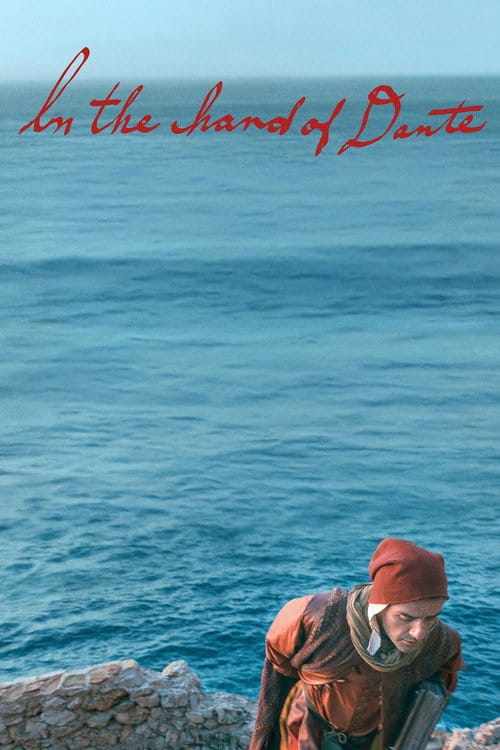
5.5·2026·153 min·English·Regie Julian Schnabel
DramaKrimi
Handlung
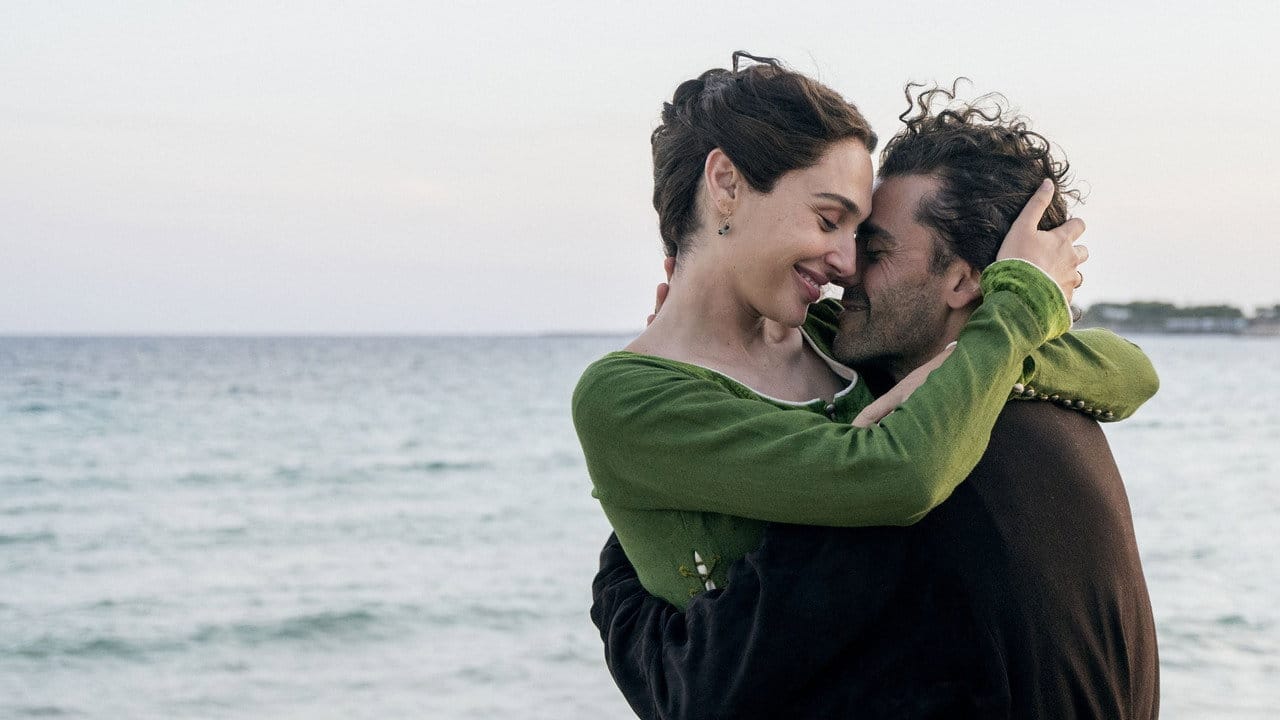
Ein handschriftliches Manuskript von Dante Alighieris (Oscar Isaac) taucht in den Archiven der Vatikanischen Bibliothek auf. Über Umwege gelangt es in die Hände eines Mafiabosses in New York City. Der Priester, der das Dokument außer Landes bringt, bittet den Schriftsteller Tosches, dessen Echtheit zu überprüfen. Doch die Begegnung mit dem Manuskript bleibt nicht folgenlos: Tosches gerät in einen Strudel aus Geheimnissen, Macht und Geschichte – und begibt sich, wie einst Dante, auf eine Reise ins Ungewisse.
Hauptdarsteller
Oscar Isaac
Nick / Dante

Gal Gadot
Giulietta / Gemma
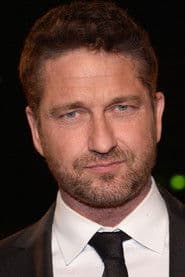
Gerard Butler
Louie / Pope Bonifacio
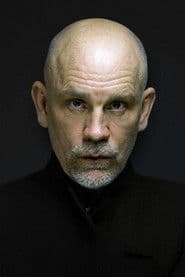
John Malkovich
Joe Black
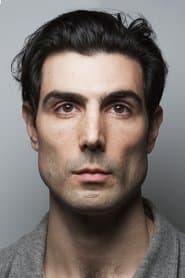
Louis Cancelmi
Lefty / Guido Novello Da Polenta

Sabrina Impacciatore
Dr. Susanna Pulice
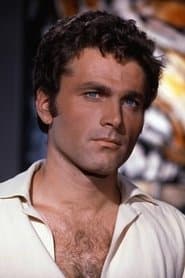
Franco Nero
Don Lecco (86)
Benjamin Clementine
Mephistopheles
Paolo Bonacelli
Priest Of Alcamo
Martin Scorsese
Isaiah
Mehr wie das
Alles Geld der Welt
2017·6.5
A Haunting in Venice
2023·6.6
Der talentierte Mr. Ripley
1999·7.2
Der Trost von Fremden
1990·5.8
Hannibal
2001·6.8
Winged Creatures
2009·5.9
The Devil's Double
2011·6.7
Der Name der Rose
1986·7.5
Der Pate
1972·8.7
Mindcage
2022·5.9
Extremely Wicked, Shockingly Evil and Vile
2019·7.0

The Unforgivable
2021·7.4
Communauté
5.0
Note Trakt
213 votes
10
10
9
4
8
17
7
15
6
43
5
36
4
38
3
15
2
26
1
9
869Spectateurs
8.1KCollectés
1.6KListes
Avis de la communauté (4)
D
decatur555VIPCritique★5/10Jun 29, 2026
In the Hand of Dante is a strange, ambitious, excessive and very uneven film. It is watchable, because it has striking images, a remarkable cast and a mixture of literary thriller, spiritual journey, mafia story, art, religion and imagined biography that at least sparks curiosity. But it is also very obvious that the film wants to seem deeper, more cultured and more important than it finally is. Everything starts with a supposed original manuscript of The Divine Comedy, which connects the present-day story with Dante’s own life. On one side is Nick Tosches, a New York writer caught in a criminal plot around the manuscript. On the other is Dante Alighieri himself, in the middle of a vital and spiritual process tied to the creation of his work. The idea is powerful: crossing two time periods, two searches, two men haunted by love, beauty, death and the divine. The problem is that the film wants to cover so much that it often ends up getting lost inside itself. Julian Schnabel does not make a small or discreet film. Quite the opposite: In the Hand of Dante always aims big. It wants to be furious, artistic, spiritual, gangster-like, poetic, dirty, cultured and visionary all at once. At times, that mixture has a certain magnetism. Some scenes work through sheer strangeness, through the presence of the actors or through the sense that you are watching something that does not look like a conventional streaming film. In that sense, it is refreshing that it is not a flat or factory-made product. Oscar Isaac holds the double game between Tosches and Dante fairly well. He has presence, intensity and a clear ability to move between the earthly and the tormented. The cast is also so striking that part of the film’s appeal is easy to understand: John Malkovich, Al Pacino, Gerard Butler, Gal Gadot, Jason Momoa, Martin Scorsese... There is almost a sense of a parade of appearances, as if the film wanted to build its own hell, purgatory and paradise of stars. But the whole thing never quite fits together. The film has interesting moments, even hypnotic ones, but also heavy, confusing and rather pretentious passages. Sometimes it feels like a literary road movie. Sometimes like a gangster film. Sometimes like a spiritual meditation on Dante. Sometimes like a cult fantasy too fascinated with itself. The problem is not that it is strange; the problem is that it does not always turn that strangeness into emotion, clarity or real depth. The tone also weighs heavily. In the Hand of Dante talks about love, death, art, faith, redemption and beauty, but sometimes it does so with such solemnity that it ends up sounding more important than it feels. There is a difference between being a complex film and behaving all the time as if you were saying something enormous. Here, too often, the ambition is more visible than the result. Visually, it does have strength. Schnabel knows how to create images, atmospheres, faces and moments of aesthetic intensity. The film may be excessive and messy, but it is not anonymous. It has personality. Even when it becomes a little boring, even when it turns verbose or self-indulgent, there is something in it that prevents you from dismissing it as a simple disaster. It is flawed, but not dead. Wrong, but alive. In the Hand of Dante is a film you can watch, especially if you accept its strangeness and excess from the start. It is not a marvel, not by any means, and its attempt to rise toward the intellectual and the spiritual often remains more pose than substance. But it is not a vulgar film either. It has ambition, images, actors and moments of genuine attraction. The problem is that it wants to reach Dante’s paradise and too often remains wandering through a rather confusing purgatory.
♥1
A
asivan1-deleted-1783143145Jul 3, 2026
M
MikeRgr★4/10Jul 2, 2026
Honestly, the cinematography of this film hypnotizingly beautiful. But it became stale fast and the story couldn't lifted up. The actors were very very good, yet even big names couldn't save a tale of boredom. If you are a student or enthusiast 9f cinematography, do watch. But for a regular person like me, it's boring AF.
B
Benedetto21★3/10Jun 28, 2026
How to turn Dante and Italy into a pile-up of clichés, with mafia, Catholic mysticism, pulp posturing, and ridiculous recitations of the Divine Comedy.
Kritiken